


Gen Z Fashion: The Trends Shaping Custom Clothing in 2026 and Beyond
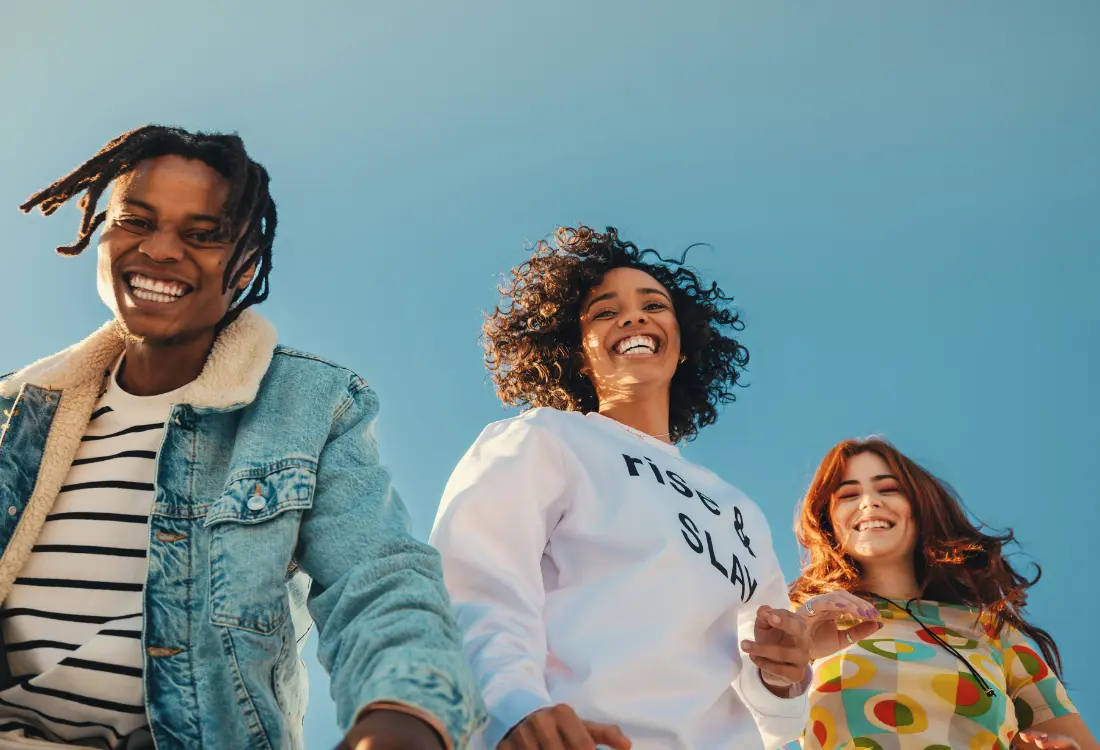
Gen Z fashion is difficult to pin down to a single look. Oversized T-shirts sit alongside fitted baby tees, vintage sportswear is being reworked rather than simply revived, and graphic clothing is becoming more expressive again.
And, as tends to happen with fashion, these ideas don’t stay neatly within one generation for long. Research from BCG and WWD found that younger consumers have a disproportionate influence on the preferences of older generations too. There’s a certain irony to that influence: some of the styles Gen Z is bringing back were worn by Millennials and Gen X the first time around. Fashion, apparently, has a very good memory.
So, what is Gen Z wearing now, and what does it mean for brands creating custom clothing? Here are some of the Gen Z fashion trends shaping 2026 and how they translate into garments people actually want to wear.
What defines Gen Z fashion in 2026?
Previous generations experienced fashion trends largely through magazines, celebrities, shops and seasonal collections. Gen Z has a much more fragmented landscape. Inspiration can come from TikTok, vintage pieces, streetwear, a decades-old sports jersey or a niche internet aesthetic, sometimes all within the same outfit.
That helps explain why apparently contradictory trends can coexist. Baggy jeans and oversized silhouettes remain prominent, while more fitted pieces such as baby tees have also returned. Y2K references haven’t disappeared either, but they’re increasingly mixed with influences from other eras.
For Gen Z consumers, personal style is often more interesting than following a perfectly coordinated aesthetic. That makes the individual pieces of an outfit, including the humble T-shirt, much more important.
Gen Z fashion trends influencing custom clothing
1. Graphic T-shirts get personal again
The graphic tee is firmly back in the fashion conversation. Slogans, retro graphics, cultural references, typography and designs connected to niche interests can all give a relatively simple garment more personality.
For custom clothing printing, that’s an interesting shift. Instead of treating a logo as something that needs to sit prominently on the front, the artwork itself can become part of the reason someone wants the garment. That might mean a small chest design paired with a larger back print, sleeve details or graphics designed around the garment colour. The printing method matters too: bold designs with fewer colours can work beautifully with screen printing, while highly detailed or full-colour artwork may call for DTG or DTF.
The question becomes less “Where should the logo go?” and more “What should this T-shirt actually look like?” If you’re deciding where your artwork should sit, check out our blog “T-Shirt Design & Logo Placement: Size & Positioning” for a closer look at how placement, size and printing method work together.
2. Oversized T-shirts make fit part of the design
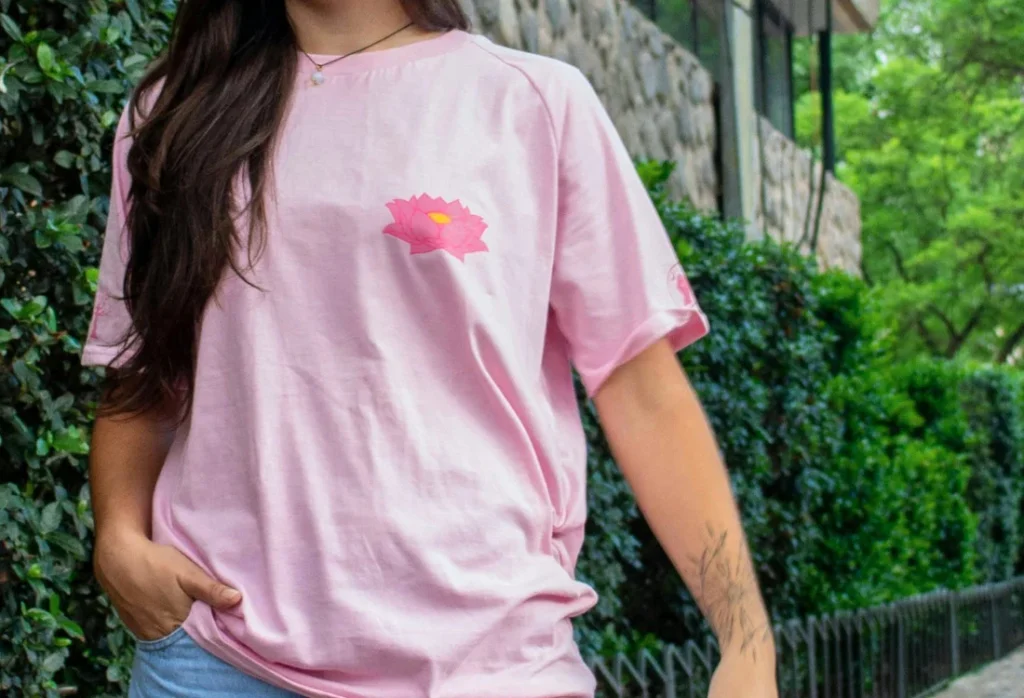
Oversized T-shirts and baggy clothes continue to play a major role in Gen Z outfits. But getting the look right isn’t necessarily as simple as taking a standard T-shirt and ordering it three sizes larger.
Purpose-designed oversized clothing considers proportions from the beginning. Shoulder shape, sleeve length and fabric weight all change how an oversized silhouette hangs, while the extra surface area creates different possibilities for artwork.
A small print that feels balanced on a classic tee can get lost on a broader silhouette. A larger graphic, on the other hand, can use that extra space intentionally. The blank itself becomes part of the design.
The same principle applies to hoodies and sweatshirts. For more on how fabric weight and composition affect the finished garment, read our blog “Best Hoodie and Sweatshirt Fabrics: Explore Cotton, Blends, French Terry & More“.
3. Gen Z style revives vintage rather than simply copying it
Y2K remains part of the mix, with baby tees and other early-2000s references still appearing, but Gen Z’s vintage inspiration now stretches much further.
Rather than recreating one decade from head to toe, Gen Z style borrows individual elements and gives them a different context. A retro graphic might appear on an oversized T-shirt, while vintage typography can be combined with a modern garment shape.
For branded clothing, that creates plenty of room to interpret nostalgia rather than copy it. Typography, colour, artwork, garment shape and print treatment can create a vintage feel while still producing something original. For a closer look at one of the biggest revivals behind this shift, head over to our blog “Y2K Fashion in 2026: What Brands Can Learn From the 2000s Revival“.
4. Colour and texture move away from polished perfection
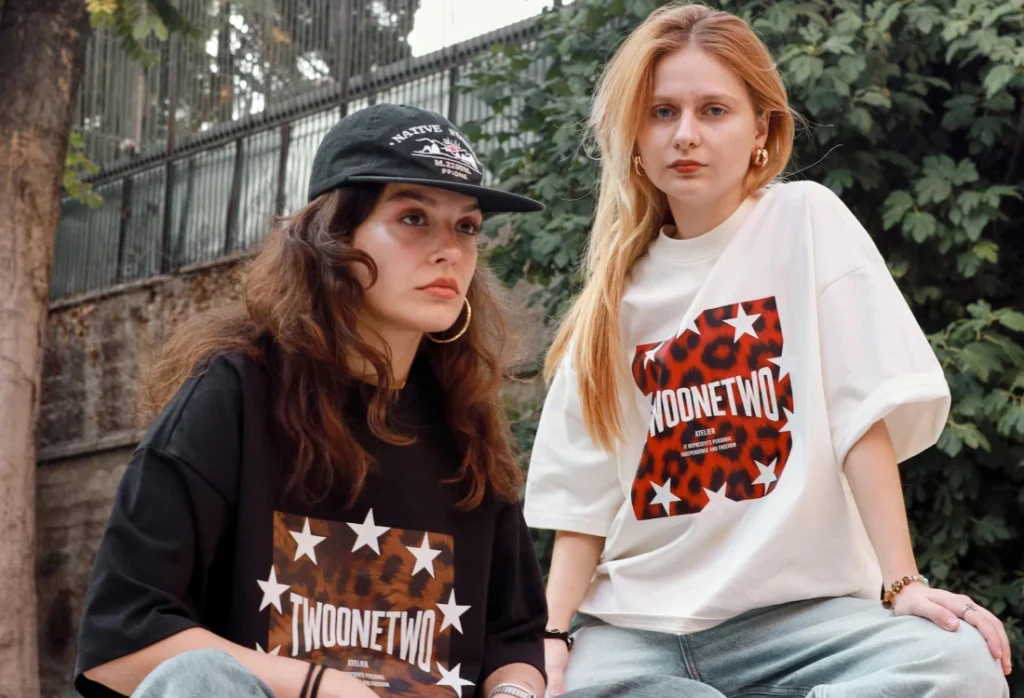
Not every Gen Z fashion trend is about a particular garment. Colour, texture and unexpected combinations are also moving fashion away from the perfectly coordinated look.
For custom clothing, that makes the choice of blank more significant. The same artwork can feel completely different on a white, brown, washed, bright or muted garment. Ink colour, embroidery thread and print texture add another layer.
Choosing the garment first and treating decoration as an afterthought can mean missing half of the creative opportunity.
What Gen Z style means for custom clothing printing
There isn’t a formula for making clothing that appeals to an entire generation, nor should there be. The more useful lesson from current Gen Z fashion is that the garment deserves as much thought as the graphic placed on it.
An oversized heavyweight tee with a large screen print creates a completely different result from a fitted T-shirt with detailed DTG artwork or a sweatshirt with subtle embroidery. None is inherently more “Gen Z” than another. What matters is that the fit, fabric, artwork and decoration feel intentional together.
For brands, that means starting with what the finished piece should feel like rather than automatically choosing a standard garment and adding a logo. That shift in thinking can make custom clothing printing feel more considered, creative and connected to the brand it represents.
Not sure which printing technique suits your design? For a deeper comparison, read “Top Techniques for High Quality Custom Apparel Printing“, where we look at the different ways artwork can be translated onto clothing.
From a fashion trend to clothing people actually want to wear
Fashion trends move quickly, especially when inspiration can spread across social platforms almost overnight. Copying every new microtrend isn’t the answer.
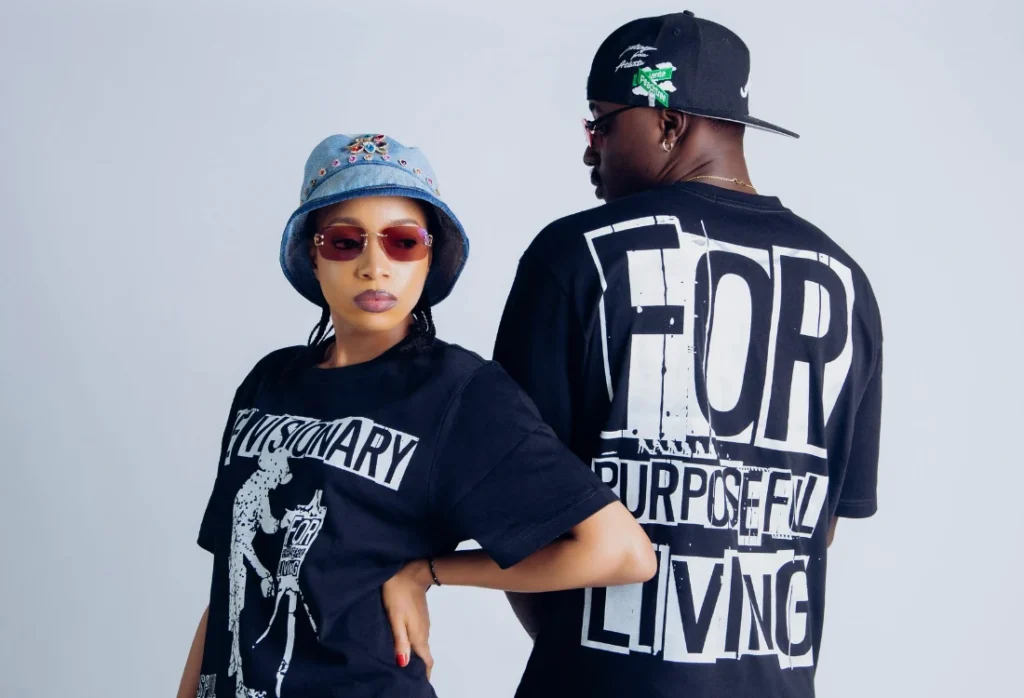
What current Gen Z clothing does show is the value of treating the garment as part of the creative idea. At ICON Printing, we help translate those ideas into custom clothing using premium garments and printing or embroidery methods suited to each project.
Whether you’re creating merchandise, an event collection, company clothing or something entirely different, the goal is simple: make something people genuinely want to wear. Get in touch with the ICON team at sales@iconprinting.com to discuss your project, artwork and the best way to bring it to life.
FAQs about Gen Z fashion and custom clothing
What are the main Gen Z fashion trends in 2026?
Current trends include graphic T-shirts, oversized silhouettes, vintage and Y2K influences, varsity-inspired sportswear and more individual combinations of colour, fit and styling.
What is Gen Z clothing style?
There isn’t one Gen Z clothing style. Gen Z fashion mixes streetwear, vintage clothing and influences from different decades, with individuality playing a significant role.
Why are oversized T-shirts popular with Gen Z?
Oversized T-shirts combine a relaxed fit with plenty of styling possibilities. For printed clothing, the larger silhouette also provides more space for bold graphics and creative print placement.
What makes custom clothing appeal to Gen Z?
Rather than trying to make something universally “Gen Z”, focus on creating a coherent garment. Fit, fabric, artwork, colour and decoration should feel like deliberate parts of the same design.
Which printing method works best for graphic T-shirts?
It depends on the artwork, garment, quantity and desired finish. Screen printing can work well for bold designs and larger runs, while DTG and DTF offer different advantages for detailed or full-colour artwork.