


Best Hoodie and Sweatshirt Fabrics: Explore Cotton, Blends, French Terry & More
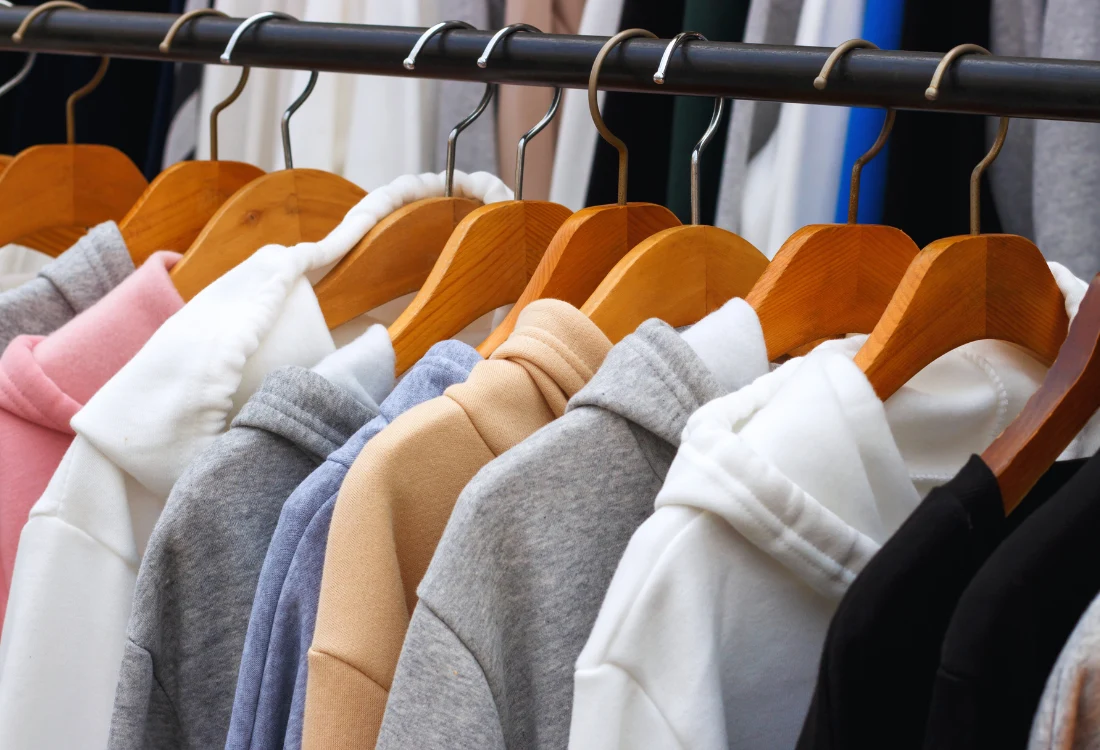
Choosing the best fabric for hoodies or sweatshirts comes down to more than softness. The right fabric affects how warm the garment feels, how it holds its shape after repeated wear and washing, and importantly, how well it works with your chosen print or embroidery method.
For everyday branded clothing, merchandise, uniforms or a new hoodie collection, cotton and cotton-rich blends are often excellent starting points. French terry offers a lighter, breathable alternative, while brushed fleece brings extra warmth. But there isn’t one best fabric for every project. Your design, intended use and preferred finish all matter.
At ICON, we work with different hoodie materials and sweatshirt constructions every day, so here’s what to consider before choosing the garment you’ll customise.
Sweatshirt Fabric: What Are Sweatshirts Actually Made From?
The most common sweatshirt fabric options are cotton, polyester, cotton-poly blends, French terry and fleece. What separates them isn’t simply the fibre content. Fabric weight and construction also change how a sweatshirt feels and performs.
Pure cotton is soft and breathable, making it comfortable for everyday wear. Polyester adds durability, quicker drying and better shape retention, while cotton poly blends bring qualities from both fibres together. Fleece construction creates a warmer, softer interior, whereas French terry has characteristic absorbent loops on the inside and a smoother outer face.
This is why two sweatshirts with similar-looking silhouettes can feel completely different once you put them on.
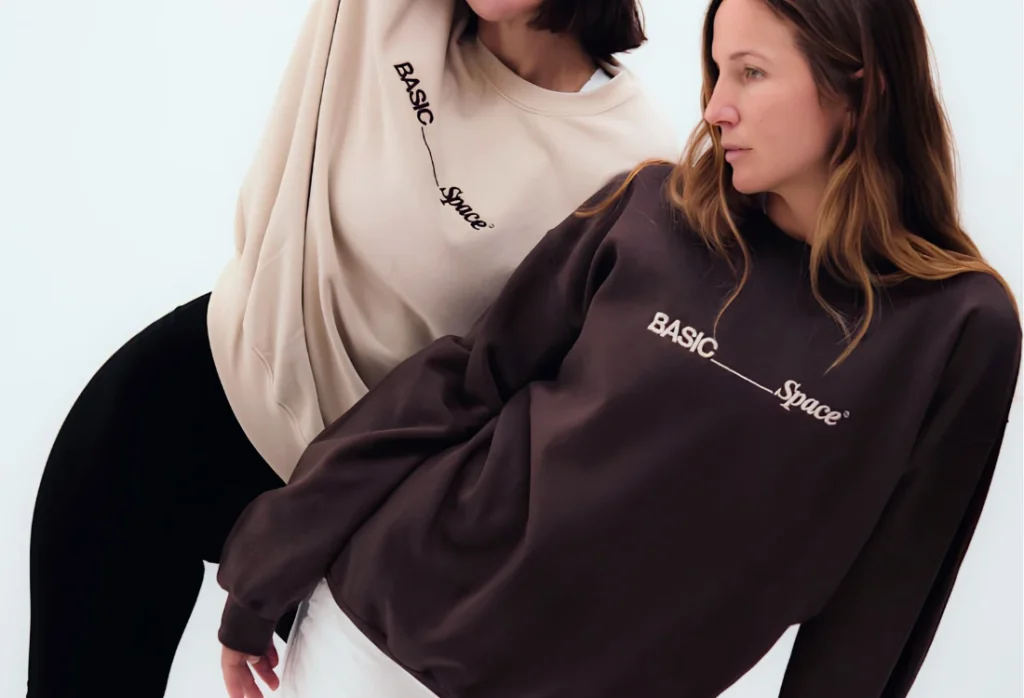
Fabric for Sweatshirts: Cotton, Cotton Poly Blends or French Terry?
When choosing fabric for sweatshirts, think about what the finished garment needs to do.
A 100% cotton sweatshirt gives you a soft, breathable natural fibre and is particularly useful when DTG printing is part of the plan, as DTG printing produces its best results on 100% cotton garments.
Cotton-poly blends are a practical alternative when durability, easy care and shape retention matter. Polyester dries quickly and resists shrinking and wrinkling, while the cotton content keeps the garment comfortable. That makes blends particularly useful for branded clothing likely to see frequent wear and multiple washes.
Then there’s French terry. Unlike fluffy brushed fleece, French terry has a smooth face and looped interior. The construction is breathable and absorbent without creating the same level of insulation as thick fleece, making it a versatile option for layering and milder weather.
ICON’s Ledger Dry Sweatshirt, for example, is made from 100% organic cotton French terry. Its looped underside provides breathability and moisture absorption while retaining the substantial feel you’d want from a premium sweatshirt.
Hoodie Fabric: Why the Material Changes the Finished Garment
The hoodie fabric you choose becomes especially important once you’re adding a design.
A smooth, cotton-rich surface can provide an excellent canvas for printed artwork. ICON’s College Hoodie is a good example: it combines a 100% cotton face with soft brushed inner fleece, giving you a print-friendly exterior and a cosy interior.
Blended hoodie fabrics offer a different balance. The Stencil Hoodie, for example, uses 80% cotton and 20% recycled polyester in a heavyweight, pre-shrunk construction, while the Heavy Blend Hoodie uses an 50/50 organic cotton and recycled polyester blend and offers super soft and durable everyday comfort.
So fabric choice isn’t an afterthought. It changes the hand-feel, warmth, durability and the decoration options available to you.
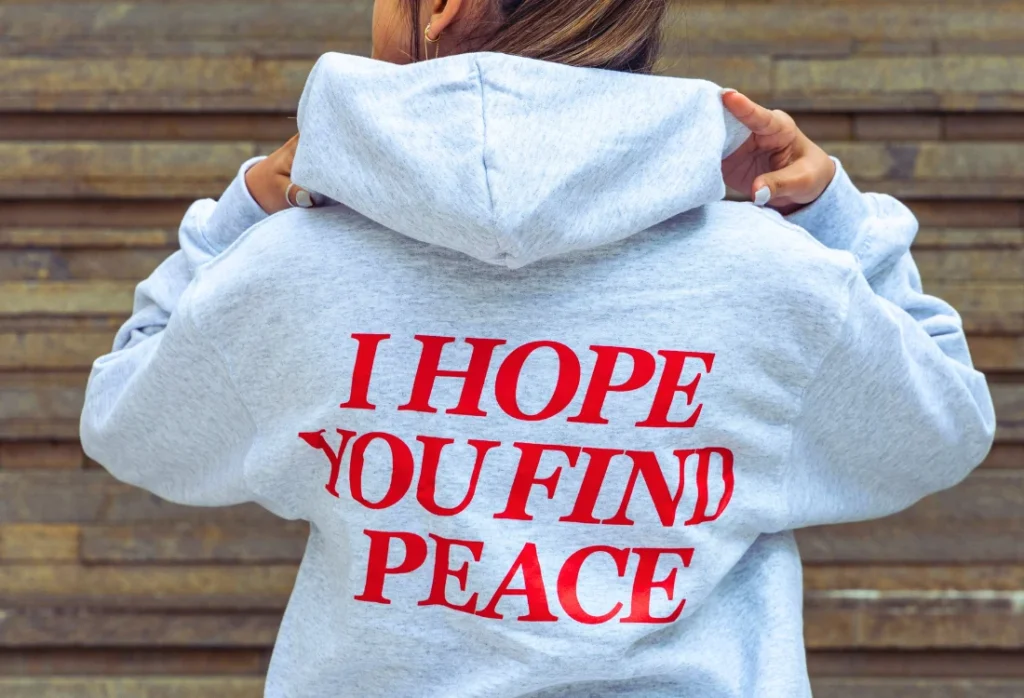
Fabric for Hoodies: French Terry, Fleece and Fabric Weight
Choosing fabric for hoodies also means thinking about climate and when the garment will actually be worn.
Brushed fleece fabric traps body heat effectively, which makes fleece hoodies a natural choice for colder weather. Cotton fleece combines that warm interior with the familiar softness of cotton, while polyester fleece can add durability and quicker drying. If warmth is a priority for your team, check out our blog “Branded Merchandise for the Colder Months: Custom Jackets, Hoodies, and Fleeces for Your Team” that explores more options for building a practical branded wardrobe for winter.
French terry sits at the other end of the spectrum. ICON’s Cooper Dry Hoodie uses 100% organic cotton with a loopback French terry construction. It is breathable and moisture-absorbing, giving the hoodie a lighter feel that works well for layering and everyday wear.
Weight matters too. A lightweight jersey or French terry can make sense in warmer climates, whereas a heavyweight fabric gives winter hoodies more substance and insulation. ICON’s hoodie range includes garments from around 280 to 350 GSM, so “cotton” alone doesn’t tell you how a hoodie will actually feel.
Best Hoodie Fabrics for Printing and Embroidery
The best hoodie material also depends on how you’re going to customise it. A great blank garment and the wrong decoration method are not a great combination.
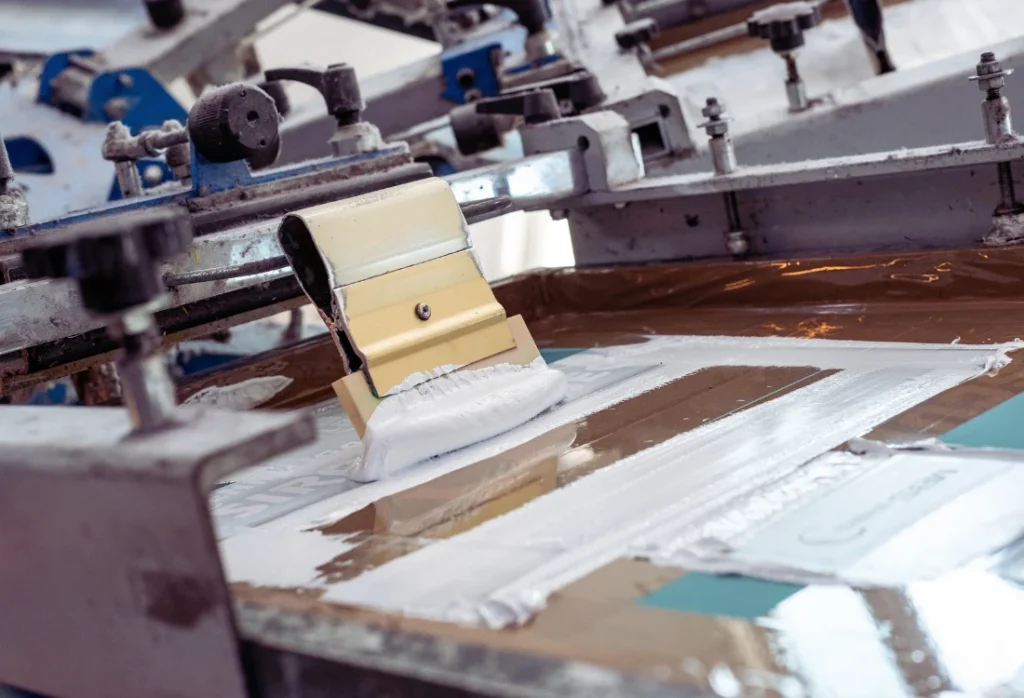
Screen printing works particularly well for hoodies with bold graphics and larger runs. DTG printing is better suited to detailed, full-colour artwork and performs best on high-cotton garments. DTF printing is more flexible across cotton, poly-cotton and other fabric types, making it useful when your chosen garment has more synthetic fibres.
Embroidery, meanwhile, works especially well on thicker hoodies and sweatshirts, where the fabric can support the weight and structure of the stitching. If embroidery is the finish you have in mind, our blog “8 Embroidered Hoodies That Show Great Design in Action” is a useful source of inspiration for how different brands turn simple hoodie designs into something distinctive.
That’s why choosing a garment and choosing a customisation method shouldn’t really happen separately. At ICON, custom clothing printing brings those decisions together: the fabric, artwork, quantity and intended use can all influence which process makes the most sense.
So, What Is the Best Fabric for Hoodies and Sweatshirts?
There isn’t one universal winner. For soft, breathable everyday clothing and particularly artwork best suited for DTG printing, high-cotton fabrics are a strong choice. Cotton-poly blends can provide extra durability and easier care. French terry is excellent when you want breathable comfort without heavy insulation, while brushed fleece makes more sense when warmth is the priority.
The right fabric is ultimately the one that suits how the garment will be worn and how you want it customised.
If you’re creating branded merchandise, team clothing or your own collection, browse ICON’s hoodie options and sweatshirt catalogue or get in touch at sales@iconprinting.com. The team can help match the garment, fabric and decoration method to your design.
Frequently Asked Questions
What fabric is used for sweatshirts?
Sweatshirts are commonly made from cotton, polyester, cotton-poly blends, fleece and French terry. The best choice depends on the warmth, feel, durability and customisation method you need.
Is 100% cotton good for a hoodie or sweatshirt?
Yes. 100% cotton is soft, breathable and comfortable, and it is particularly well suited to DTG printing. However, a cotton-poly blend may offer better shape retention and resistance to shrinking for garments exposed to frequent wear.
Is 80% cotton and 20% polyester good for hoodies?
Yes. An 80/20 blend combines much of cotton’s softness and breathability with some of polyester’s durability and easy-care qualities. ICON’s heavyweight Stencil Hoodie uses exactly this composition, with recycled polyester making up the 20%.
Is French terry or fleece better for hoodies?
It depends on when and how the hoodie will be worn. French terry has a looped interior and is generally more breathable, making it useful for layering and everyday wear. Brushed fleece retains more warmth, so it is better suited to colder conditions.
What is the best hoodie fabric for printing?
Cotton-rich fabrics are particularly versatile for printing, and 100% cotton produces ICON’s best DTG results. DTF offers more flexibility across cotton and polyester blends, while screen printing is an excellent option for bold designs and larger runs. For embroidery, thicker hoodies and sweatshirts provide a stable base for stitching.