


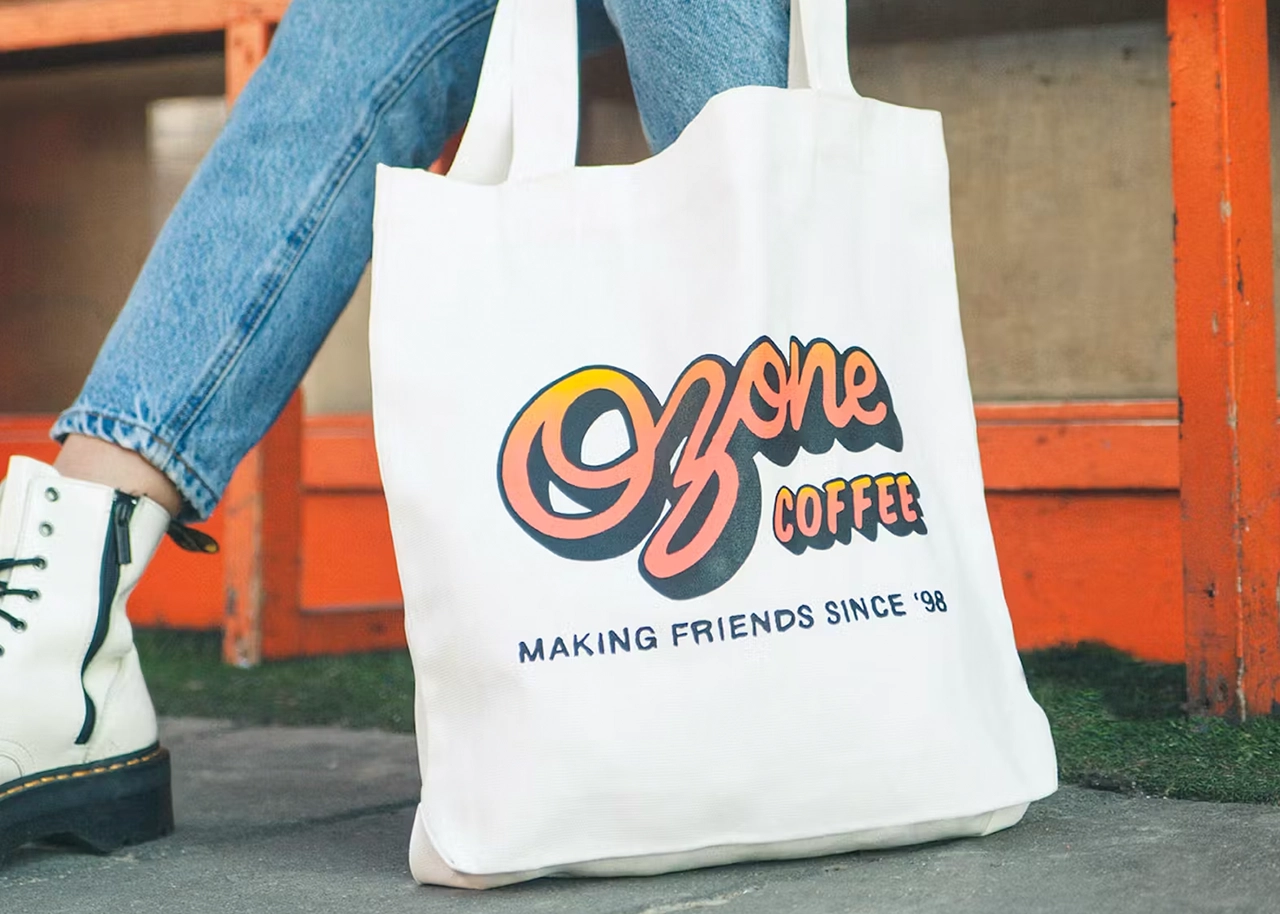
Direct to Film Printing (DTF)
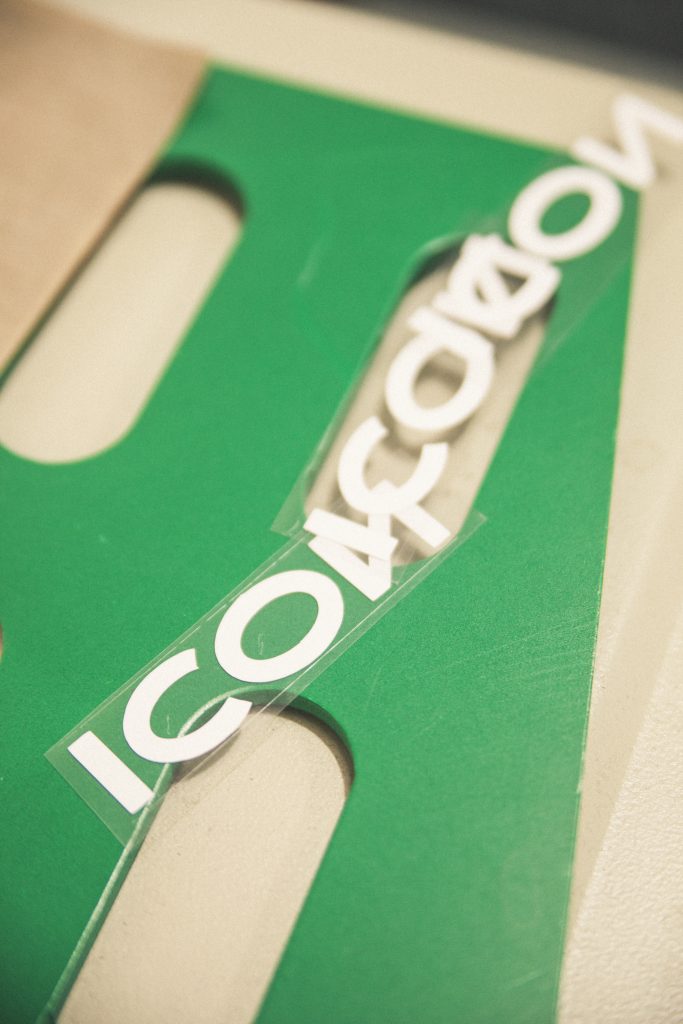
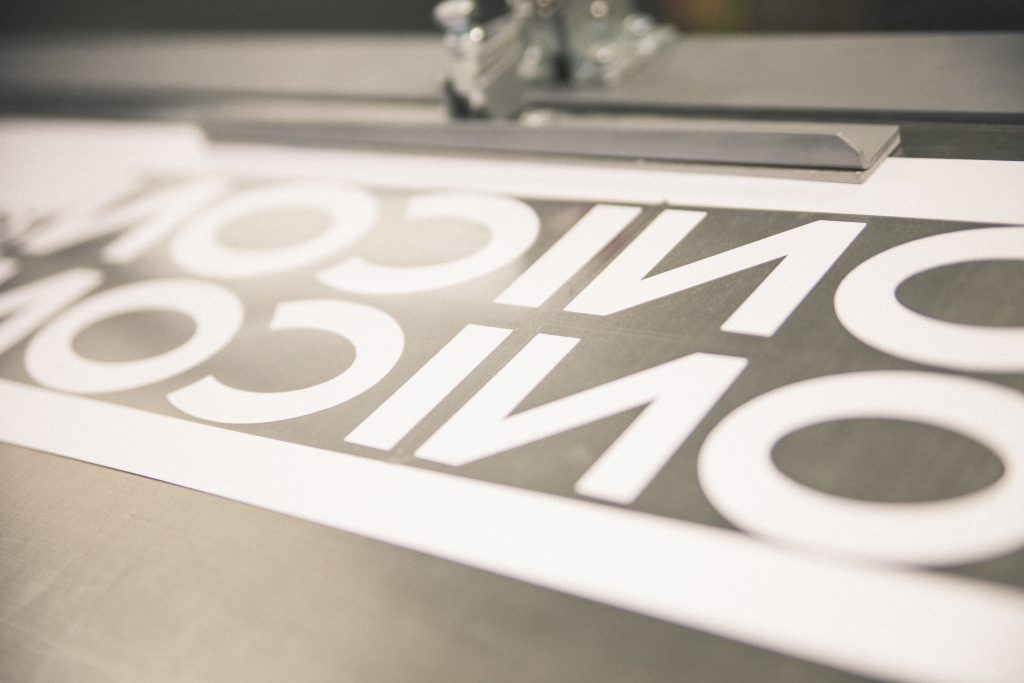
With Direct-to-Film printing, your artwork is printed digitally onto a transfer film. That print is then applied to the garment using heat and pressure.
Quick quote requestDirect to Film Printing (DTF)
With Direct-to-Film printing, your artwork is printed digitally onto a transfer film. That print is then applied to the garment using heat and pressure.
Quick quote request
DTF printing is ideal when you need vibrant, full-colour artwork on a wide range of garments — including those that are tricky to print with traditional methods. Your design is printed onto a special film, coated with adhesive powder, and then heat pressed onto the garment, giving a soft, durable finish that works brilliantly on cotton, poly-cotton, performance wear, jackets and accessories.
It’s a great option for multi-colour logos, gradients, small detail and short runs.
What is DTF printing?
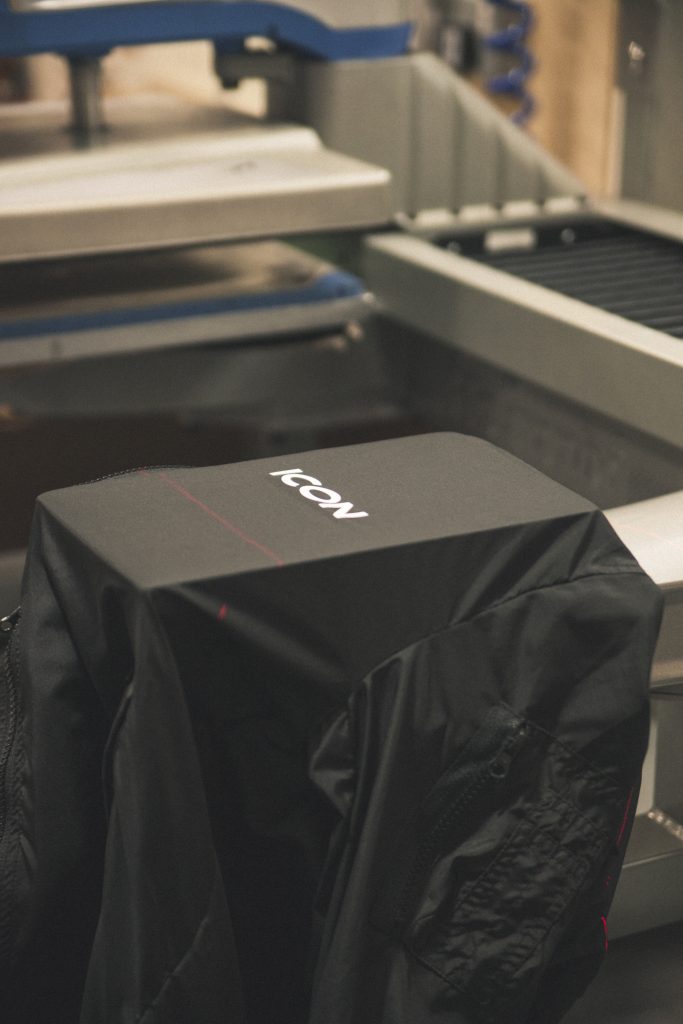
With Direct-to-Film printing, your artwork is printed digitally onto a transfer film. That print is then applied to the garment using heat and pressure. Because the design is printed first and transferred after, DTF is much more forgiving on fabric types than some other print methods — making it a smart choice for teams, events, merch drops and branded workwear.
- Soft, flexible print that moves with the fabric
- Full colour as standard (no extra cost for more colours)
- Handles fine detail and small text
- Works on light and dark garments
When to choose DTF printing
DTF is used extensively for:
- Branded workwear and uniforms
- Sports and teamwear (including names and numbers if needed)
- Non-cotton garments, jackets and outerwear
- Caps, bags and accessories
- Multi-logo jobs where you want the same print on different garments
Minimum order: 25 units per design (speak to us if you need something slightly different).
How DTF compares
Unlike older transfer methods that relied on cut vinyls or litho sheets, DTF gives you:
- Better colour – full CMYK + white underbase for dark garments
- Better detail – no need to simplify artwork into block colours
- Better versatility – applies well to tricky garments
- Consistent results – every transfer is printed from the same artwork
If you’ve previously used “transfer printing”, DTF is the newer, more flexible version.
Cost considerations
A couple of things affect price:
- Print size – a left chest logo will be cheaper than a large centre-front print.
- Quantity per design – batching the same design across garments keeps unit prices lower.
Printing onto different garment colours (white / light / colours) usually doesn’t change the DTF print price, because the transfer is printed in full colour with a white base.
For larger orders or multiple placements, we can advise on the most cost-efficient setup.
Design considerations for DTF printing
To get the best result, please supply:
- File formats: .ai, .eps, .pdf, or high-res .png with transparency
- Colour: CMYK or RGB is fine — we’ll match as closely as possible
- Resolution: 300dpi at actual print size
- Bleed / edges: If your design has very fine edges, add a slight bleed so the cut is clean
DTF is much more forgiving than CAD cut vinyl — so gradients, shadows, photographs and multi-tone artwork are all possible.
If you’re unsure, send the artwork and we’ll tell you if DTF is the right method — sometimes we’ll recommend screen printing or embroidery instead, depending on the garment and the volume.
Why DTF with ICON
We produce custom clothing for some of the world’s best brands, so we’re set up for:
- Fast quotes and sampling
- Matching the right print method to the garment
- Large or repeat orders
- Quality control on every transfer press
Advantages of DTF Printing
Works on a wide range of fabrics
Unlike some print methods that perform best on specific materials, DTF works exceptionally well across cotton, polyester, blends and many performance fabrics.
Vibrant full-colour printing
DTF can reproduce complex artwork, gradients, photographs and multi-colour logos without additional setup costs for extra colours.
Excellent detail reproduction
Fine lines, small text and intricate graphics can be reproduced accurately, making DTF ideal for detailed branding.
Consistent branding across multiple garments
The same artwork can be applied to different garment types while maintaining a consistent appearance, making DTF particularly useful for uniforms and teamwear.
Suitable for light and dark garments
A white underbase allows colours to remain vibrant regardless of garment colour.
Durable and flexible finish
DTF prints move with the fabric and offer excellent resistance to cracking and everyday wear when properly applied and cared for.
Things to Consider with DTF Printing
Not always the most cost-effective option for large bulk orders
For very high-volume production runs, screen printing can often provide lower unit costs.
Print sits on top of the garment
Unlike DTG printing, where ink absorbs into the fibres, DTF creates a transfer layer on the surface of the fabric. While modern DTF feels significantly softer than older transfer methods, the print may still feel more noticeable on larger designs.
Pantone colour matching may be limited
While DTF produces vibrant colours, exact Pantone matching is generally more achievable with traditional screen printing.
Large solid print areas can feel heavier
Designs with extensive coverage may feel slightly thicker compared to some other decoration methods.
Premium brands may prefer embroidery for certain applications
For luxury uniforms, hospitality wear or corporate clothing, embroidery can sometimes provide a more premium aesthetic for smaller logos and branding elements.
DTF Printing vs Embroidery
Both DTF printing and embroidery are popular choices for branded workwear, uniforms and promotional clothing, but they create very different results. DTF printing excels at reproducing detailed artwork, gradients and multi-colour designs across a wide range of fabrics, while embroidery offers a textured, premium finish that is particularly well suited to logos and professional branding. The right choice depends on the look you’re aiming to achieve, the complexity of your artwork and the garments being decorated.
| Feature | DTF Printing | Embroidery |
| Finish | Smooth printed finish | Textured stitched finish |
| Detailed Artwork | Excellent | Limited |
| Gradients & Photographs | Excellent | Not suitable |
| Fine Detail | Excellent | Limited |
| Fabric Compatibility | Cotton, polyester & blends | Best on thicker fabrics |
| Premium Appearance | Very good | Excellent |
| Sportswear & Teamwear | Excellent | Good |
| Workwear & Uniforms | Excellent | Excellent |
Is DTF Printing Right for Your Project?
If you need vibrant branding across multiple garment types, fabrics or colours, DTF is often one of the most practical solutions available. It’s particularly effective for workwear, sportswear, uniforms and projects where flexibility, consistency and detailed artwork are equally important.
DTF printing faq
What is DTF printing?
Direct to Film (DTF) printing involves printing a design onto a special film, applying adhesive powder, and heat pressing it onto the garment.
Is DTF better than DTG printing?
It depends on what kind of product you are looking to get customized. Whereas DTF is more versatile across fabric types, including cotton, polyester, and blends, DTG on the other hand works best on 100% cotton garments.
If you require consistent branding across mixed uniform fabrics, DTF printing can be a strong solution.
Is DTF printing durable?
Yes. DTF prints are flexible and resistant to cracking due to the heat and pressure applied in the printing process. When applied correctly, they perform well under repeated washing and regular wear.
Can DTF print on dark garments?
Yes. DTF printing performs exceptionally well on both light and dark garments due to its opaque ink layers and adhesive bonding process.
How much does DTF printing cost in the UK?
The cost of DTF printing depends slightly on artwork size, i.e. it will be cheaper to print a smaller logo on the chest as opposed to a large design on the centre of a garment. Printing onto different coloured garments does not affect the price.
Is DTF suitable for branded uniforms across different garment types?
Yes. DTF offers colour vibrancy and consistency across cotton, polyester, and blended fabrics, which makes it ideal for businesses standardising branding across varied staff uniforms that include jackets and coats, caps and bags as well as sportswear and other accessories.
DTF printing provides flexibility without sacrificing visual impact. To read more about why custom branded uniforms are great for your business, read our blog “Why Custom Branded Merchandise is Essential for Employee Engagement and Company Culture?”.