


Y2K Fashion in 2026: What Brands Can Learn From the 2000s Revival
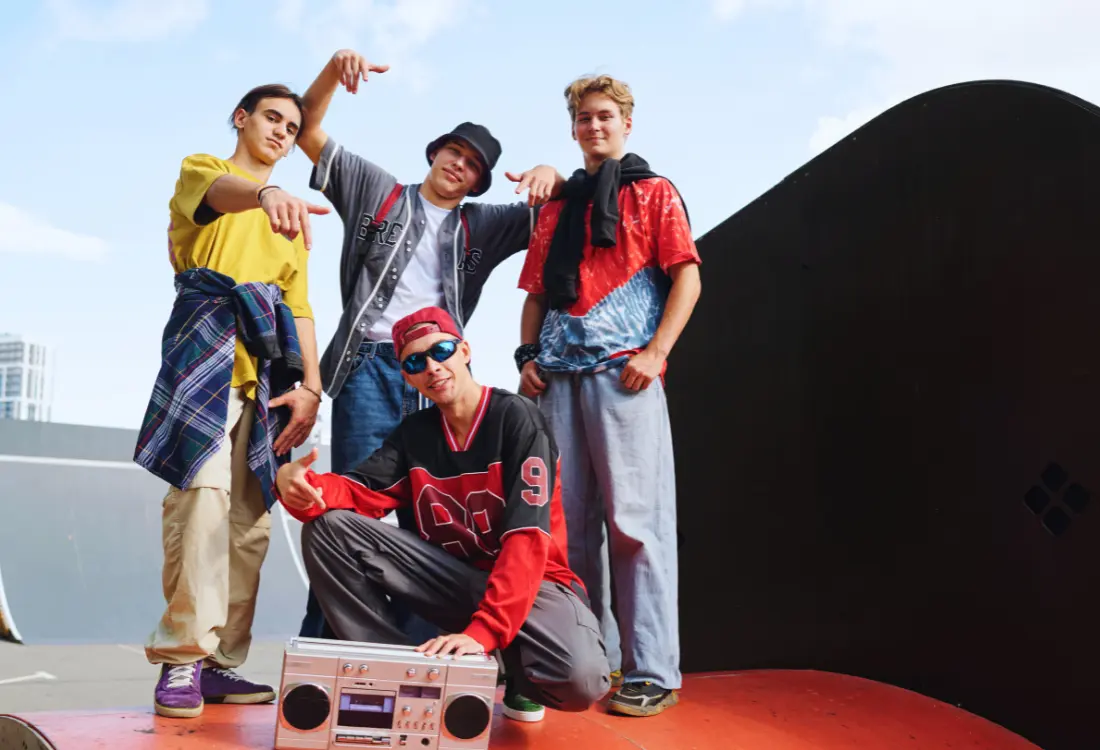
Low rise jeans are back. Baby tees are everywhere. Logos are getting bigger, bags are getting smaller and rhinestones have somehow escaped the early 2000s. For millennials who lived through the original era, calling Y2K fashion “vintage” still feels mildly offensive. For a new generation, though, its playful, slightly chaotic style feels fresh again.
Y2K fashion refers to the bold, futuristic aesthetic of the late 1990s and early 2000s, from metallic fabrics and graphic tees to baggy jeans, mini skirts and crop tops. In 2026, these influences are firmly back in modern wardrobes. But for brands creating clothing and merch, the interesting part isn’t simply that Y2K style is back. It’s what the revival can teach us about the clothes people actually want to wear today.
What Is Y2K Fashion?
The term Y2K literally refers to the Year 2000. While the millennium bug had everyone wondering whether computers would survive the new millennium, fashion was busy imagining what the future might look like.
The Y2K era, roughly 1997 to 2004, mixed futuristic optimism with pop culture and kitsch glamour. Metallic fabrics appeared alongside hot pink velour, rhinestones, bold colours, oversized logos and playful accessories. There was denim. A lot of denim.
Celebrities including Britney Spears, Christina Aguilera and Paris Hilton helped popularise key pieces such as crop tops, mini skirts and low rise jeans, while Juicy Couture turned velour tracksuits into one of the most recognisable looks of the early 2000s. Baby tees, butterfly tops, baguette bags, graphic tees, matching sets and butterfly clips all became part of the aesthetic.
Subtlety, it’s fair to say, wasn’t really the point.
Why Y2K Style Is Back in 2026
Fashion loves bringing things back. The interesting part is what happens when the generation reviving a trend doesn’t necessarily remember it the first time around.
Gen Z has embraced Y2K fashion in a big way, helped by TikTok, vintage resale and thrift culture. At the same time, nostalgia has given familiar styles new life among people who do remember wearing them the first time.
After years of sleek minimalism and neutral wardrobes, Y2K offers something very different. Bright colours, bold graphics, metallic details and playful accessories are designed to turn heads rather than quietly blend in. But today’s Y2K outfits aren’t exact replicas of what appeared in fashion magazines 25 years ago. Individual elements are being pulled into modern wardrobes and reinterpreted.
And that’s where the revival gets particularly interesting for brands. The pieces making a comeback tend to have something in common: recognisable silhouettes, distinctive graphics and enough personality to become part of an outfit rather than simply another basic.
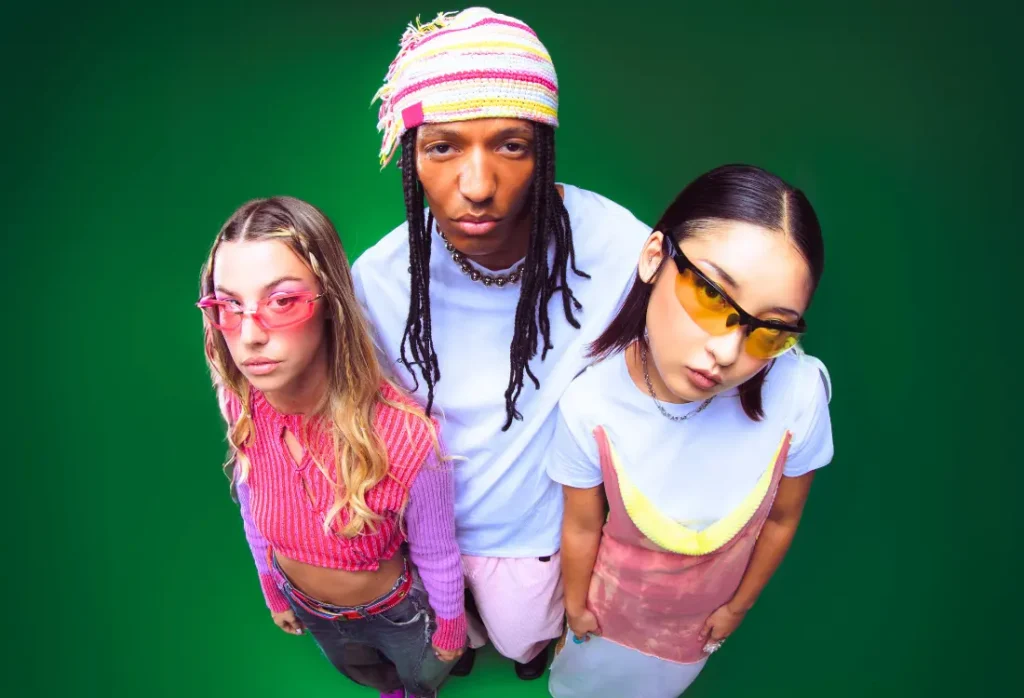
The Y2K Clothes Getting a Modern Twist
You don’t need butterfly clips, a baguette bag and hot pink sunglasses simultaneously to embrace Y2K clothing. Although nobody is stopping you.
Modern Y2K outfits tend to borrow individual ideas from the era.
Baby tees and crop tops have returned alongside oversized T-shirts, while low rise jeans and baggy jeans have replaced some of the slimmer denim silhouettes that followed the original Y2K era. Mini skirts, metallic fabrics, butterfly tops and matching sets offer other easy ways to reference the aesthetic.
Then there are graphic tees.
The early 2000s weren’t afraid of graphics. Bold typography, large logos, playful motifs and striking prints could make the T-shirt the statement piece rather than the thing underneath it.
For brands creating clothing today, that’s a useful reminder that the blank itself changes a design too. Put the same graphic on a fitted baby tee and an oversized heavyweight T-shirt and you’ve created two completely different products.
Fit, fabric, colour and print placement aren’t decisions that happen after the artwork. They’re part of the design. For more ideas on how placement changes the finished garment, check out our blog “T-Shirt Design & Logo Placement: A Practical Guide to Getting It Right”.
What the Y2K Fashion Revival Can Teach Brands
The easiest way to respond to a fashion trend is to copy its most recognisable features. Put a rhinestone graphic on a crop top, make it pink and call it Y2K.
The more interesting approach is to understand why the aesthetic works.
Merch can behave like fashion. Y2K was unapologetic about graphics, logos and branding. They weren’t necessarily hidden in a safe position on the chest; they could be the reason someone wanted the piece in the first place.
That’s increasingly relevant to modern branded clothing and beyond. A T-shirt people genuinely choose to wear has far more value than one that feels like an advertisement with sleeves. Read more about turning everyday merch into something people actually want to carry in our blog “Branding Merchandise Ideas: Why Artistic Tote Bags Are the Smartest Advertising Space in the City”.
The garment is part of the idea. A print can’t be considered in isolation from what it’s printed on. A fitted tee creates one attitude, an oversized heavyweight garment another. Washed fabrics, matching sets, unusual colours and different silhouettes can communicate as much as the artwork itself. Head over to our blog
Nostalgia works better when it is reinterpreted. Brands don’t need to recreate an outfit from 2002. A typeface, bold print, metallic detail, colour combination or unexpected placement can capture the attitude while still feeling like part of a modern collection.
And brands don’t need to commit to a trend forever, as Y2K is only one of the influences changing what branded clothing looks like today. A Y2K-inspired capsule, collaboration or limited merch drop provides space to experiment without turning an entire brand identity hot pink and metallic. For more on current trends, check out our blog “Top Branded Merchandise Trends: What’s Hot in London and Beyond”.
That approach fits particularly well with the rise of smaller, more focused clothing drops: create something distinctive, see what connects and give people a reason to pay attention. Read more about why smaller releases are becoming such a useful strategy for brands in our blog, “Micro-Drops & Hyper-Personalisation: Why Clothing Drops Are Reshaping Merch in 2026“.
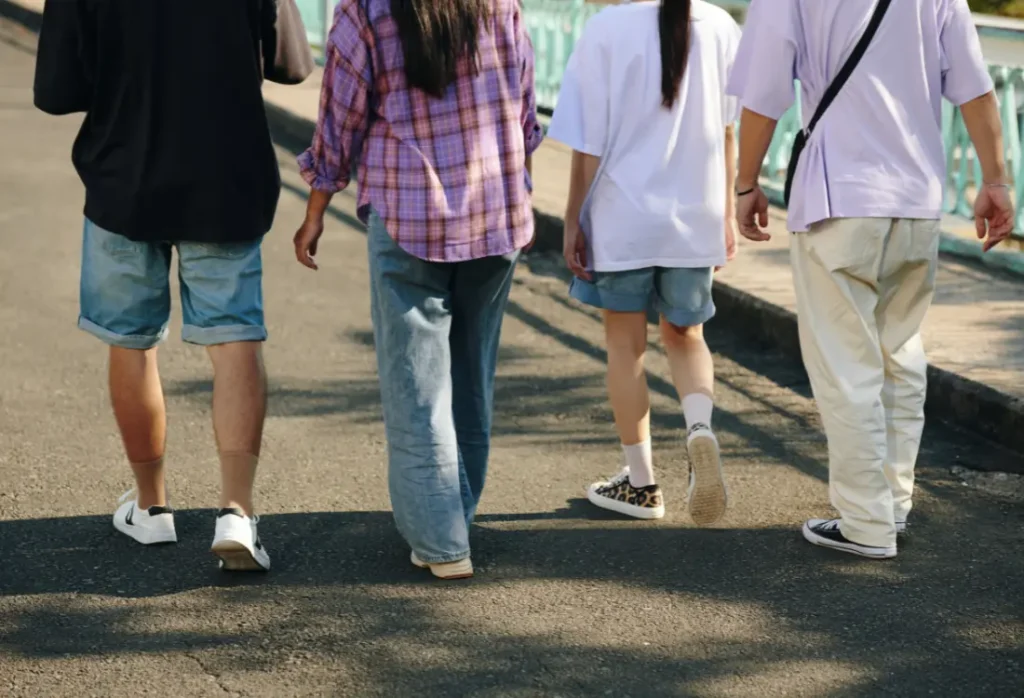
How to Create Y2K-Inspired Branded Clothing
The starting point shouldn’t be asking how many Y2K references can fit onto one T-shirt.
Borrow the attitude, not the costume.
Start with the garment and the person who is going to wear it. A fitted baby tee might suit one collection, while an oversized or washed T-shirt could take the same inspiration in a completely different direction. Caps, bags, sweats and matching pieces can extend the idea beyond a single printed tee.
Then consider how the artwork should actually behave on the garment. Y2K style gives brands permission to experiment with larger graphics, unusual placements, bold typography and designs that feel deliberately noticeable.
The right printing technique depends on the result you’re trying to create. Screen printing can be ideal for bold graphics and strong blocks of colour. Detailed artwork, gradients or more complex early-internet-inspired graphics may be better suited to DTG printing or DTF printing. Embroidery can bring texture and detail to caps, sweats or smaller elements of a collection.
Y2K fashion was never afraid to have a personality. That’s probably the part worth bringing back most.
Planning a Y2K-inspired merch drop or clothing collection? ICON Printing can help you choose the right garments, printing techniques and finishing details to turn the idea into something people will actually want to wear. Get in touch at sales@iconprinting.com.
Frequently Asked Questions About Y2K Fashion
What exactly is Y2K fashion?
Y2K fashion is the clothing and aesthetic associated with the turn of the millennium, particularly the late 1990s and early 2000s. It combines futuristic influences, pop culture and playful styling, with key pieces including low rise jeans, baby tees, crop tops, mini skirts, graphic tees, metallic fabrics and statement accessories.
Is Y2K fashion still trending in 2026?
Yes. Y2K fashion continues to influence clothing in 2026, although today’s revival tends to reinterpret the aesthetic rather than recreate early-2000s outfits exactly. Gen Z, social media, nostalgia and vintage resale have all contributed to its comeback.
What are the key pieces of a Y2K outfit?
Typical Y2K outfits include low rise or baggy jeans, baby tees, crop tops, mini skirts, graphic tees, butterfly tops, metallic fabrics and playful accessories such as baguette bags. Modern outfits often combine one or two Y2K pieces with contemporary wardrobe staples.
How can brands use Y2K style without looking dated?
Brands can borrow recognisable elements such as bold graphics, playful typography, fitted silhouettes, metallic details and bright colours without copying the era exactly. Combining Y2K inspiration with modern garments, thoughtful print placement and a brand’s existing visual identity helps the finished clothing feel fresh rather than nostalgic for nostalgia’s sake.