


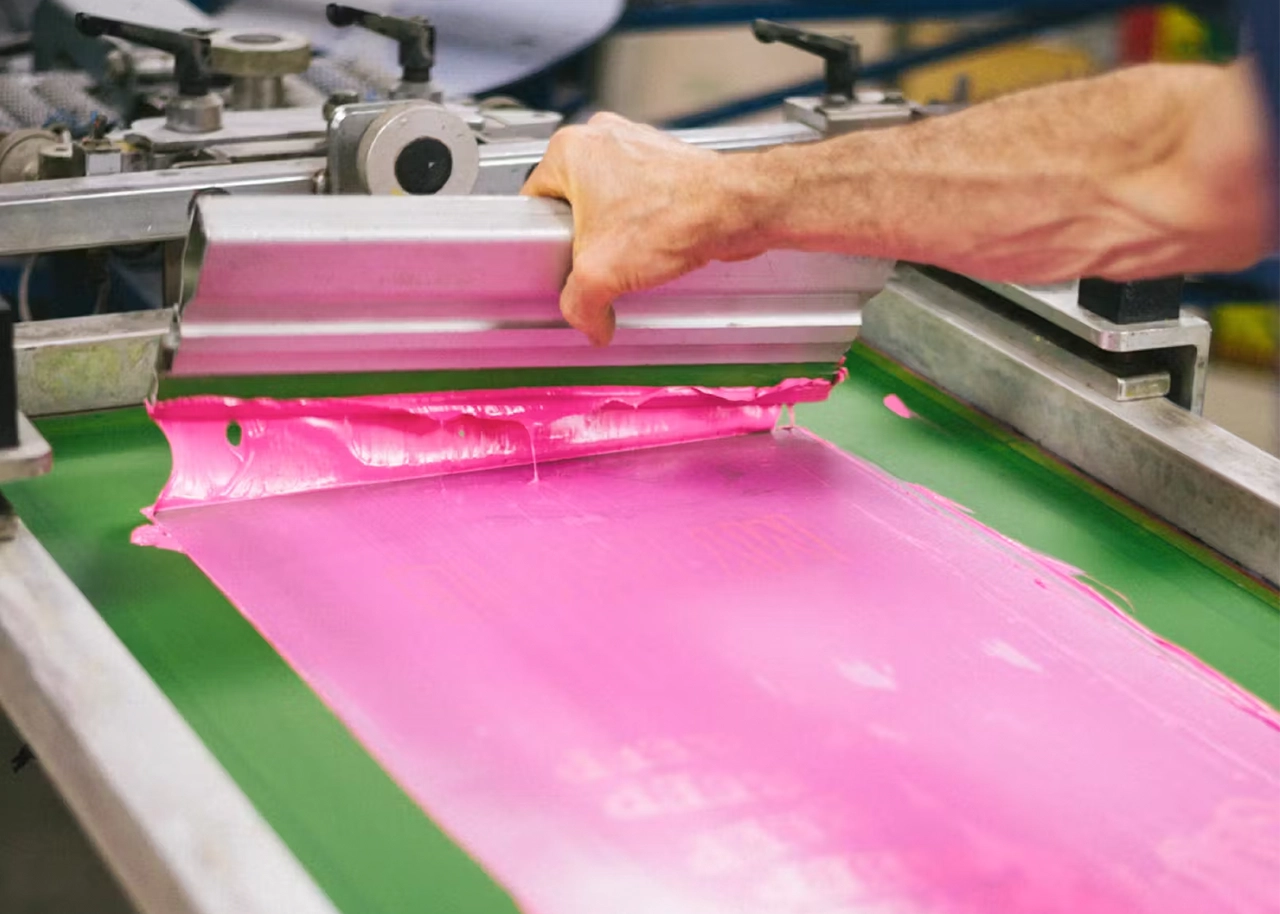
Screen printing for custom apparel
A very popular method for producing personalised garments, screen printing produces excellent quality, long-lasting results and is great value for large volume orders from 20 to 20,000.
Quick quote requestScreen printing for custom apparel
A very popular method for producing personalised garments, screen printing produces excellent quality, long-lasting results and is great value for large volume orders from 20 to 20,000.
Quick quote request
A very popular method for producing personalised garments, screen printing produces excellent quality, long-lasting results and is great value for large volume orders from 20 to 20,000.
It’s better suited to artwork with spot colours as opposed to photographs or full colour prints with gradients. A separate screen is required for each colour in the design, so, the fewer colours in your design, the less it costs to print. When printing onto coloured garments a base layer is required to ensure the print is bright and vibrant. To find out more check our blog for a expert guide to the silk screen printing process
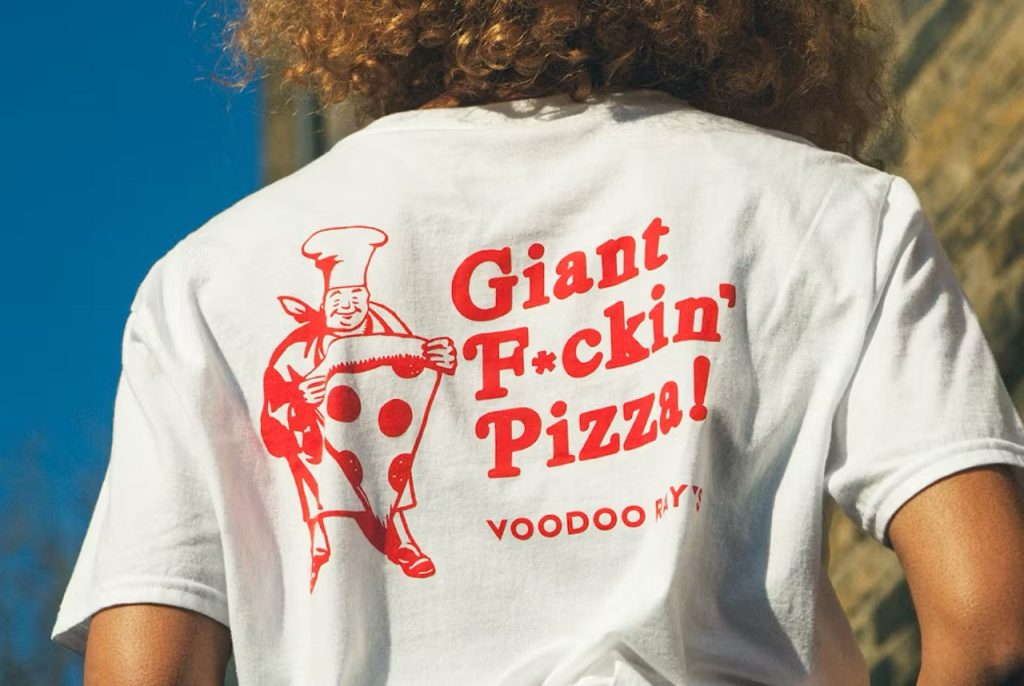
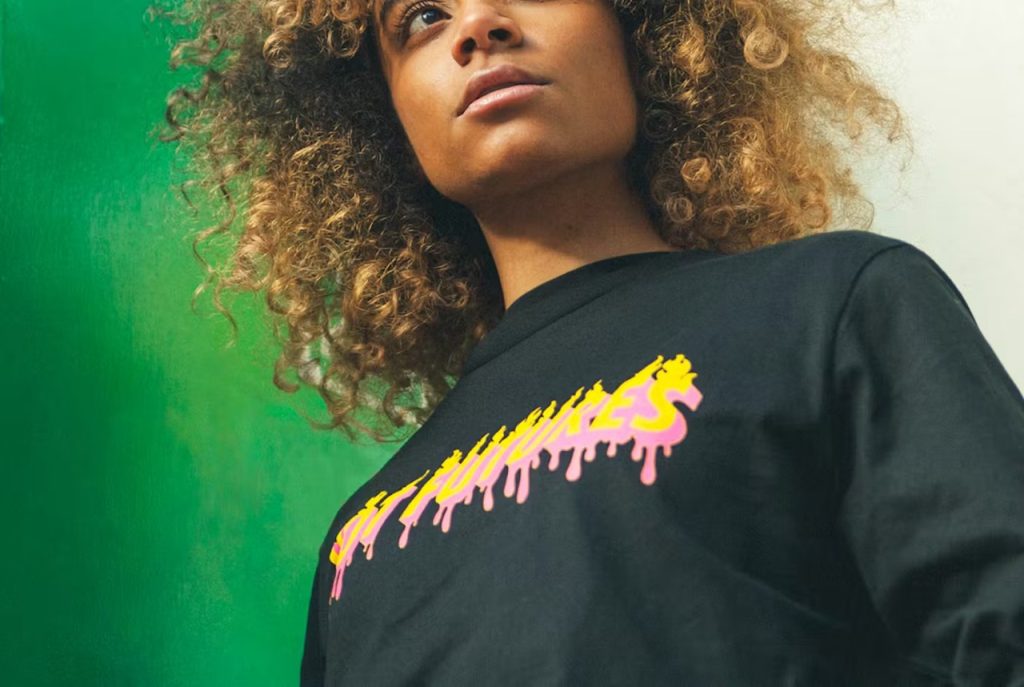
Different types of screen printing:
There are a number of different types of screen printing; at ICON we will always try to recommend the most suitable print method for your artwork.
The primary differences in screen printing are not found in the method but in the types of inks used and the effects that they produce. One of the most commonly used inks in screen printing is plastisol ink which uses spot colours; if your design is full colour or if you want to achieve a different feel a different print method might be more suitable. We will always recommend the most suitable print method once we’ve seen your artwork.
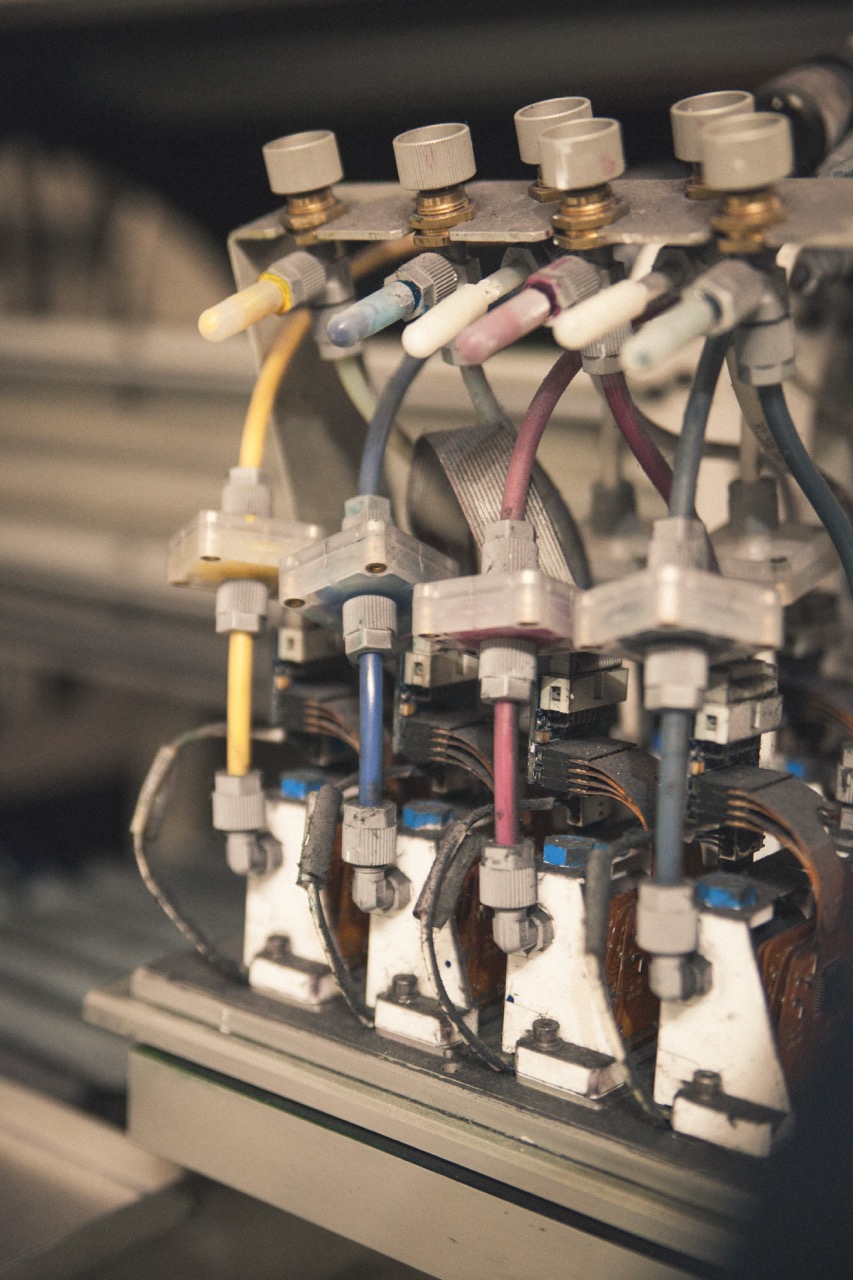
At ICON Printing we use 3 automatic and 2 manual flatbed screen printing machines capable of printing around 75,000 garments a week. High volume screen printing London.
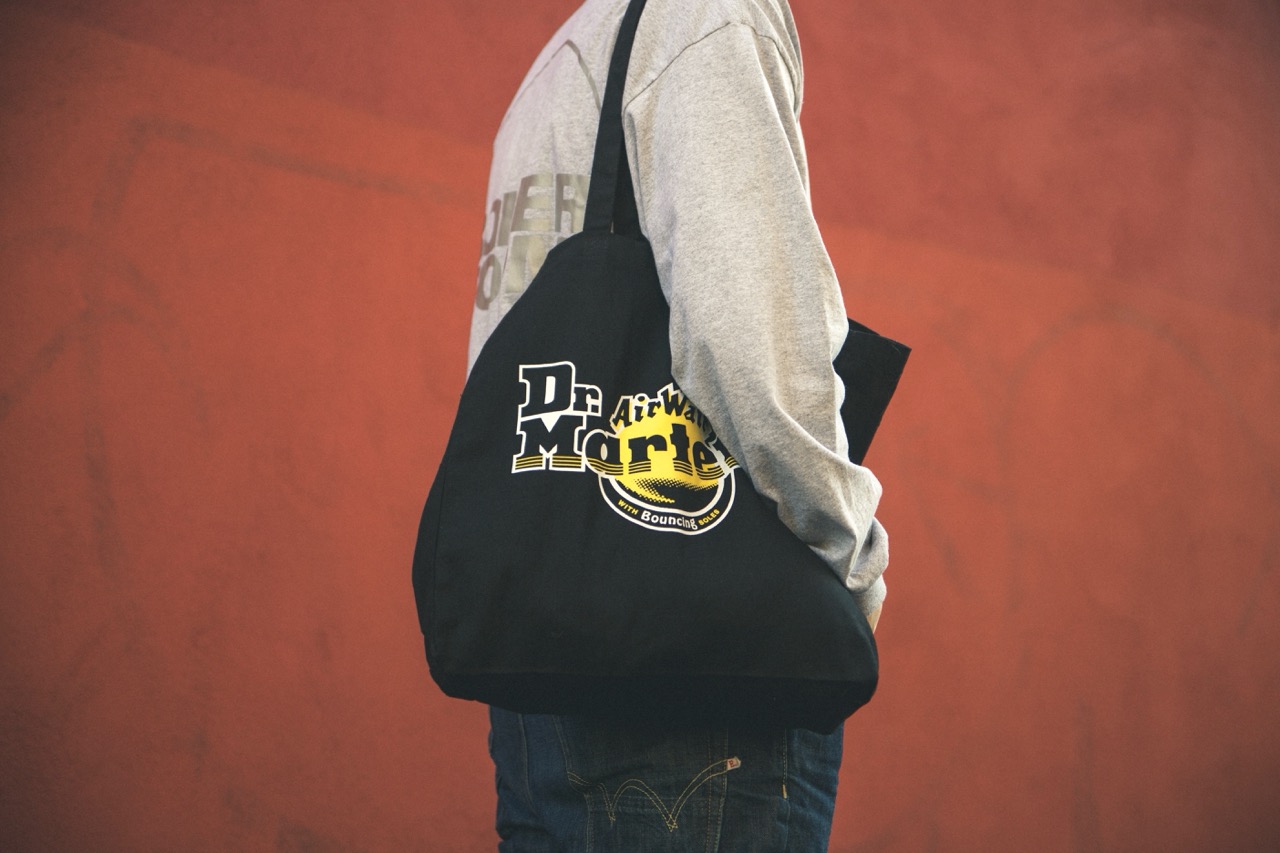
1. Plastisol Ink
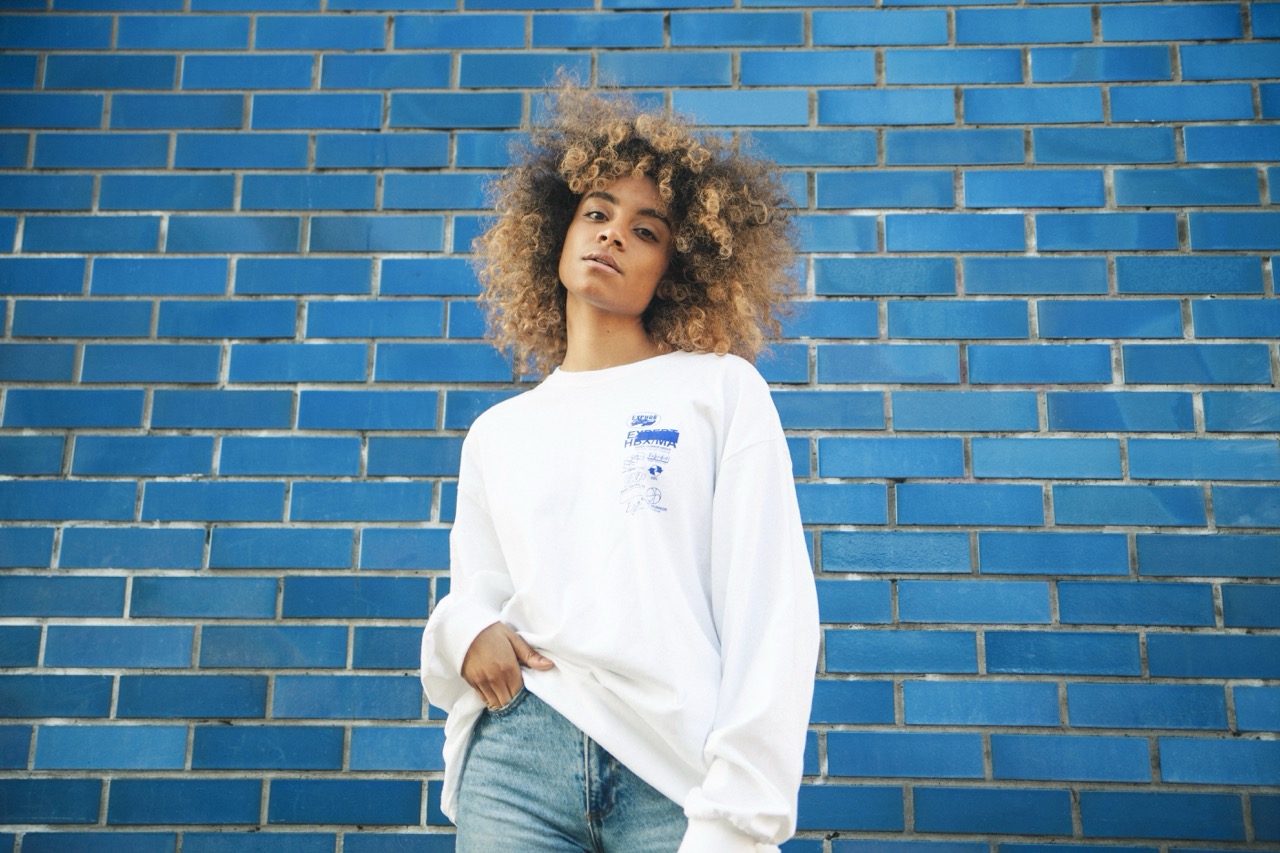
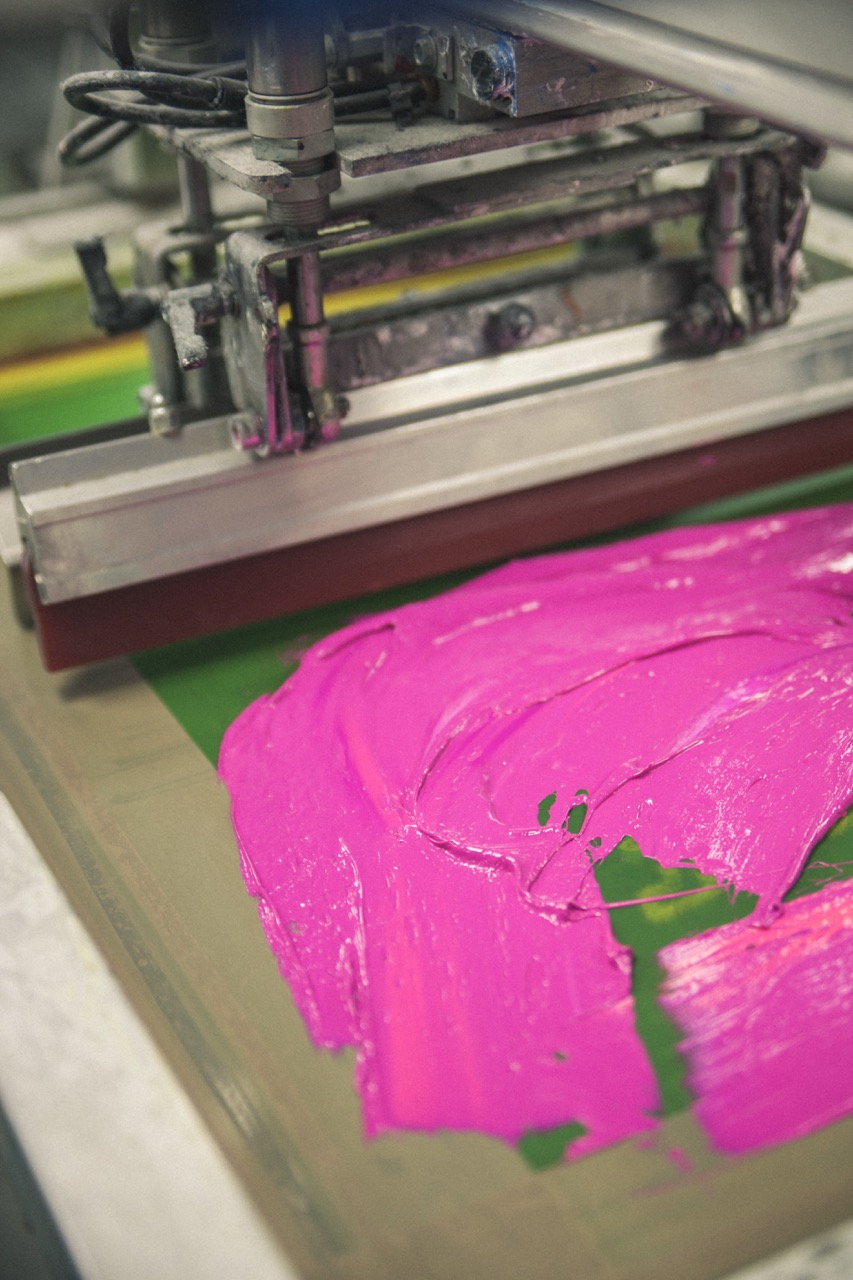
Plastisol is a suspension of PVC particles in a plasticizer (a chemical additive that increases flexibility). It is cost effective and durable and produces bold and crisp results. The ink sits on top of the fabric producing meaning the print colours are bright and vibrant.
The inks can be easily matched to any Pantone PMS numbers.
2. Waterbased Inks
Being water-based, these inks produce softer & more breathable print results than plastisol inks, as they offer more penetration of the fabric, but can only be used on white or light colour garments.
Waterbased ink is a great option for those looking for eco-friendly and sustainable print solutions.
3. Four colour process (CMYK)
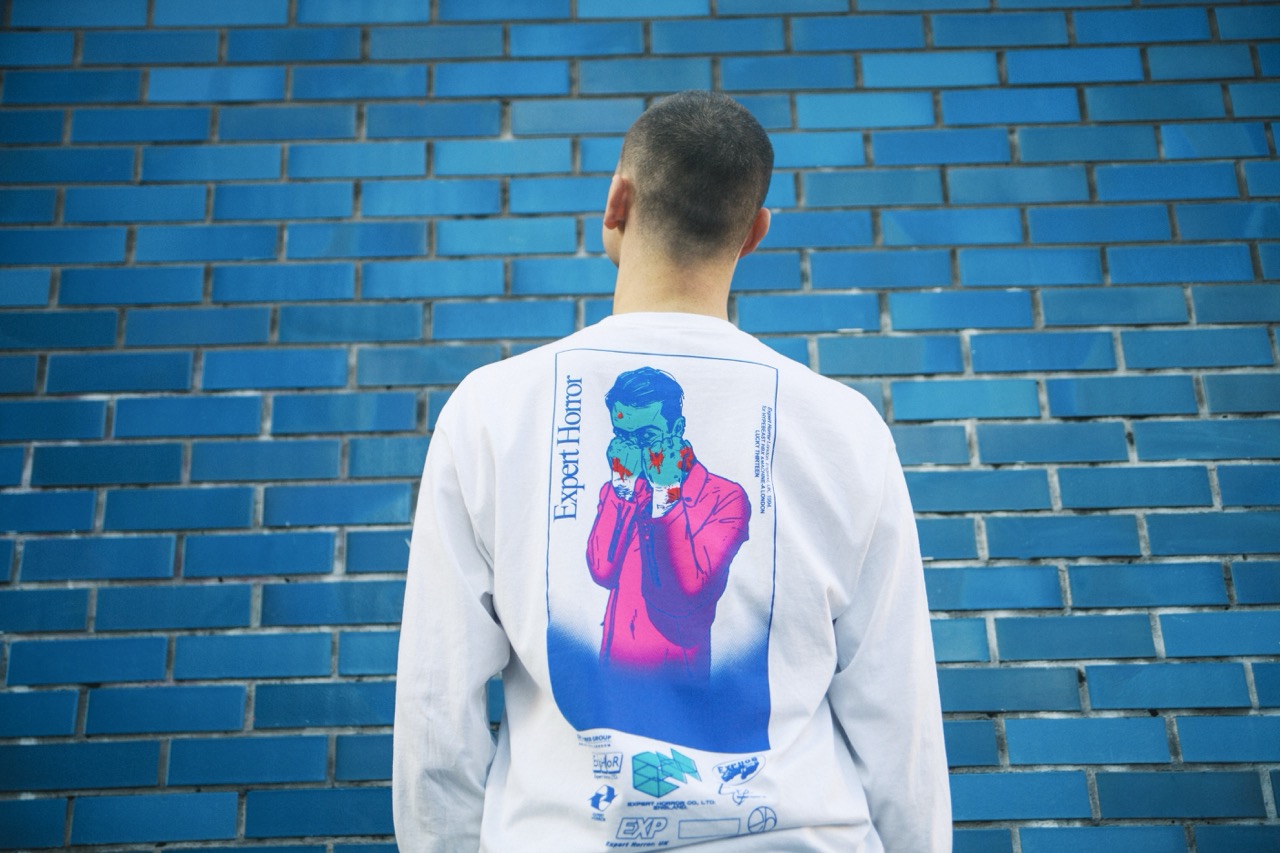
In this process a full colour photo or image is taken and broken down into its four consistent colours: cyan, magenta, yellow, black, which are then mixed in particular percentages to create a wide range of colours. This process works best on white garments as printing onto darker garments will require the use of additional colours.
This process requires us to send your artwork away in order to calculate the number of colours and screens required. We will also need to see your artwork in order to provide an accurate quotation. Note: We need to separate the colours in your artwork and a different screen will need to be used for each colour.
4. Halftone Printing
This process involves printing a single colour or multiple colours in gradients. It’s great when you want to produce the illusion of multicolour printing without the expense of actually doing it.
Again we need to see your artwork in order to provide an accurate quotation.
5. Discharge inks
These process works by affecting the dyes that already exist in a garment by bleaching it out and replacing it with your chosen colours. Discharge inks produce crisp results that feel much softer than plastisol printing. The downside is that it’s harder to match Pantone PMS colours.
- Design considerations for screen printing
- Colours: Spot colours
- Pantone colour matching: yes
- Artwork type: vector or raster graphics
- File formats: .ai, .eps, .pdf
- Convert all strokes to paths or outline any strokes before submitting artwork.
- Convert all text to outlines in case we don’t have the font that you used on file.
- Ensure artwork is at least 100% of the intended printed area.
- We can print up to 5mm from the seams and no higher than the bottom of the collar.
If you want to learn more, check our blog for a guide to screen printing.
Advantages of Screen Printing
Exceptional durability
Screen printed designs are built to last. When properly cured, the print maintains its colour and appearance through repeated washing and regular wear.
Cost-effective for larger orders
Once screens have been set up, the cost per garment decreases significantly as quantities increase, making screen printing one of the most economical options for bulk orders.
Vibrant, consistent colours
Screen printing delivers strong colour opacity and excellent consistency across every garment in a production run. Pantone colour matching is also possible for many projects.
Works on a wide range of garments
From t-shirts and hoodies to tote bags and workwear, screen printing can be used across many different garment types and fabrics.
Professional finish
The crisp edges and solid colour coverage achieved through screen printing make it ideal for brand merchandise, uniforms, promotional clothing and retail apparel.
Things to Consider with Screen Printing
Less suitable for small quantities
Because each colour requires its own screen setup, screen printing is generally most cost-effective for larger runs rather than very small orders.
Complex artwork can increase costs
Designs with multiple spot colours require additional screens, which can increase setup time and production costs.
Photographic artwork may require alternative methods
While full-colour photographs can be reproduced using specialist techniques such as CMYK or halftone printing, digital methods like DTG printing are often better suited to highly detailed photographic designs.
Longer setup process than digital printing
Preparing screens takes additional time compared to digital printing methods, although this investment is usually offset by lower costs on larger orders.
Screen Printing vs DTG Printing
While both methods produce high-quality custom apparel, they are designed for different types of projects. Screen printing is generally the better choice for larger orders, offering excellent durability and lower unit costs at scale. DTG printing, on the other hand, excels at reproducing highly detailed artwork, photographs and full-colour designs in smaller quantities.
| Feature | Screen Printing | DTG Printing |
| Best For | Bulk orders | Small runs |
| Order Quantities | 20–20,000+ | Up to 100 |
| Colour Matching | Pantone matching available | Pantone matching not available |
| Photographs & Gradients | Limited | Excellent |
| Cost Efficiency | Best for larger orders | Best for smaller orders |
| Durability | Excellent | Very good |
Is Screen Printing the Best Choice for Your Project?
If you’re ordering branded clothing in larger quantities and want vibrant, long-lasting results, screen printing is often the ideal solution. It delivers excellent colour consistency, outstanding durability and some of the best unit pricing available for bulk orders.
That said, every project is different. Factors such as artwork complexity, garment colour, print size and order volume can all influence which decoration method will produce the best result. That’s why we’ll always guide you towards the most suitable option based on your specific requirements.
Screen printing faq
What is screen printing and why is it ideal for bulk t-shirt printing?
Screen printing, also known as silk screen printing, is a traditional print method where ink is pressed through a mesh screen directly onto the garment. Each colour is layered individually, which produces bold, vibrant, and exceptionally durable results.
For bulk t-shirt printing in London and globally, screen printing remains the industry standard. It offers unmatched consistency, strong colour opacity and a finish that holds its integrity wash after wash, making it ideal for workwear, promotional and event apparel as well as branded merchandise.
If you are interested in the sustainability of screen printing, read our blog “A Greener Future with Sustainable Screen Printing”.
What is the process of screen printing?
The screen printing process involves creating a stencil (or screen) for each colour in a design, placing it over the garment, and pushing ink through the mesh onto the fabric using a squeegee. Each colour is printed separately in layers, then heat cured to ensure durability and long-lasting results.
At ICON we use 3 automatic and 2 manual flatbed screen printing machines capable of printing around 75,000 garments a week.
How long does screen printing last on clothing?
Professionally cured screen prints are extremely durable. The ink bonds into the fibres of the fabric, allowing prints to last without cracking or fading when properly cared for.
What is the difference between screen printing and digital printing methods, such as DTG printing?
Screen printing uses individual screens for each colour and is therefore best suited to larger quantities due to the higher setup costs. DTG printing (Direct to Garment) uses digital technology to print directly onto the fabric and is better for smaller runs with intricate or photographic designs.
If you are ordering garments in bulk with bold graphics, screen printing is typically more cost-effective. For smaller batches with highly detailed artwork, DTG printing may be more suitable.
Our team will always recommend the most suitable printing method once we’ve seen your artwork and know the quantity of items you want.
How much does screen printing cost in the UK?
Screen printing pricing depends on quantity, number of print colours, garment type, and print placement. Generally in screen printing, the larger the order is, the lower the cost per unit will be, which is why it is widely used for bulk merchandise and company apparel.
For accurate pricing tailored to your project, email sales@iconprinting.com to get in contact with London-based team or call +44 (0)207 183 8431.
Can screen printing elevate branded company merchandise or event apparel?
Absolutely. Screen printing brings clarity, confidence, and unity to branded clothing. For companies launching a campaign, hosting a major event, or creating team outfits at scale, it provides consistency across every garment with bold colour reproduction, sharp logo definition, and a finish that feels considered rather than promotion