


Bulk T-Shirt Printing: A Guide to Ordering Custom T-Shirts in Bulk
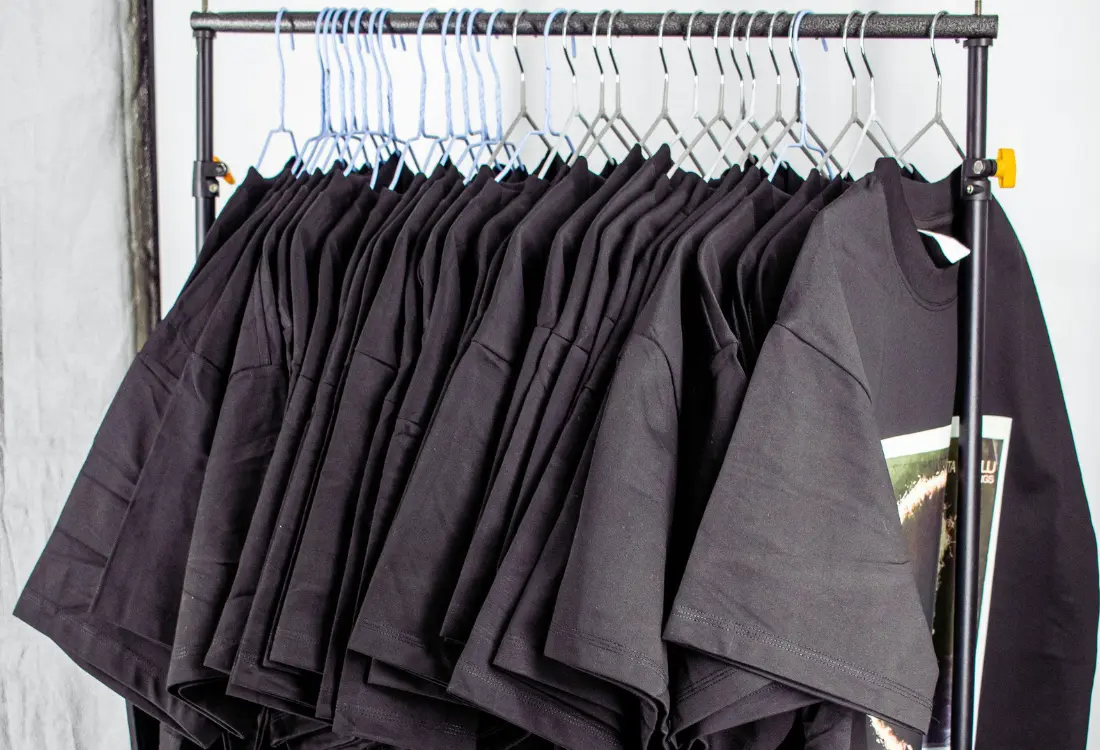
Ordering 500 T-shirts isn’t simply ordering 50 T-shirts ten times over. Once quantities increase, decisions around the garment, printing method, artwork, colours and sizing have a much bigger impact on both the final result and the budget.
That doesn’t mean bulk T-shirt printing needs to be complicated. Whether you’re ordering bulk printed T-shirts for a business, event, clothing collection, team or merchandise range, getting a few key details right before production can make the whole process much smoother.
What changes when ordering bulk T-shirts?
The basic process is the same whatever the quantity: choose a garment, add your artwork and print it. At scale, however, there are more variables to balance. Quantity affects unit price, artwork can influence which t-shirt printing method makes sense, and garment choice affects both cost and how the finished product looks and feels.
The intended use is a good place to start. Staff uniforms have different requirements from 1,000 tees destined for a merchandise collection, while clothing for an event may come with a fixed deadline. Think about who will wear the T-shirts, how often they’ll be worn and what you want them to represent before deciding on the details.
How many bulk custom T-shirts should you order?
Getting the quantity right is an important part of any custom T-shirt order. Check your printer’s minimum order, but also look at how prices change at higher quantities. Bulk orders generally become cheaper per item as production costs are spread across more garments.
That doesn’t mean ordering more is always better. For merchandise, consider realistic demand and previous sales. For uniforms, allow for new starters and replacements, while event orders may benefit from a sensible buffer. Saving on the price per T-shirt isn’t much of a saving if hundreds are left sitting in storage.
ICON’s minimum order is 20 items per design, with different garment types, colours and sizes possible within the order as long as they carry the same design.
What affects bulk T-shirt printing prices?
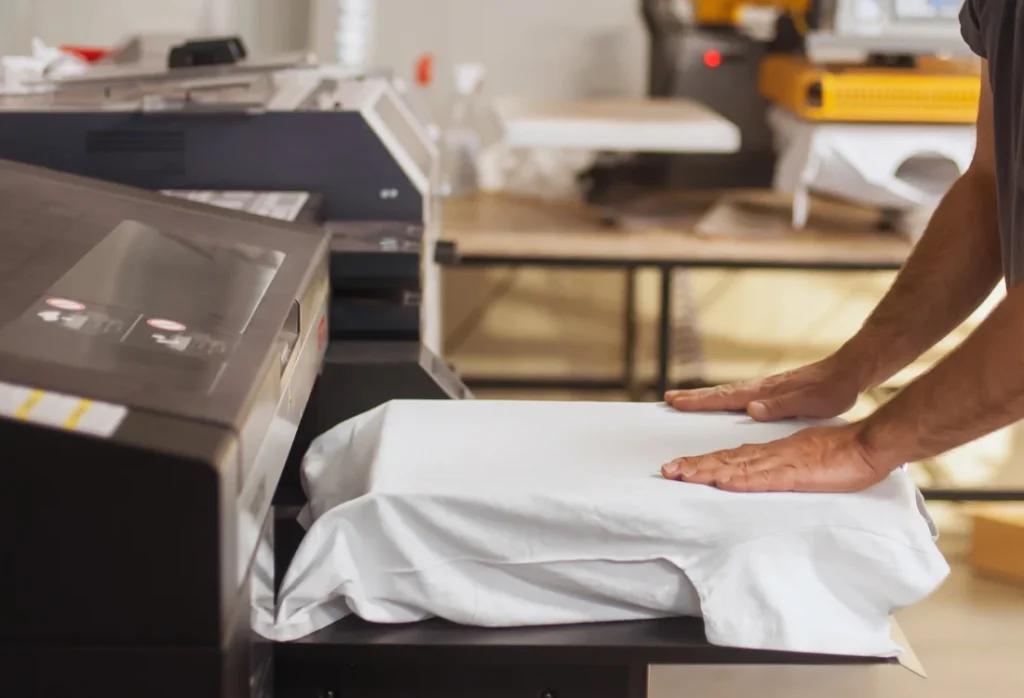
Quantity is important, but it’s only one part of the price of bulk T-shirt printing. The garment itself matters too. A straightforward tee from a brand such as Fruit of the Loom will sit at a different price point from a heavyweight premium T-shirt, with fabric, fit and construction all influencing the base cost.
Customisation then adds another layer. The shirt printing method, number of print positions and colours in the artwork can affect production requirements. With screen printing, for example, each colour requires its own screen, so a simple one-colour logo is a different job from a detailed multi-colour design.
Finishing such as custom labels or individual packaging can also increase the price, but may be worthwhile for retail merchandise or a premium collection. Therefore, rather than asking only how much 500 printed T-shirts cost, define what those 500 T-shirts need to be first.
Choosing the right T-shirt and size split
With so many custom T-shirts available, focus on the differences people will actually notice. Fabric weight affects how substantial a tee feels, fit affects how it wears, and fabric composition can influence comfort, durability and suitability for different printing methods. Colour availability and size range are also important when ordering for a larger group.
Purpose should guide the choice. A lightweight promotional tee can work perfectly for an event, while premium merchandise may call for a heavier fabric and more considered fit. If you’re ordering custom clothing printing for a team or workplace, durability and comfort become especially important, and polo shirts may suit some professional environments better than tees. If you’re deciding between the two, check out our blog “Polo Shirts vs. T-Shirts: Choosing the Right Fit for Your Brand’s Custom Apparel Needs” for more info.
Sizing deserves the same attention. Don’t automatically divide 500 T-shirts equally between every size. Use previous order data where possible, collect staff sizes for uniforms and always check the size chart for the garment you’ve chosen. A relaxed heavyweight tee and a fitted tee can require very different size splits.
Which printing method works best for bulk printed T-shirts?
There’s no single best printing method. The right choice depends on your quantity, garment and artwork.
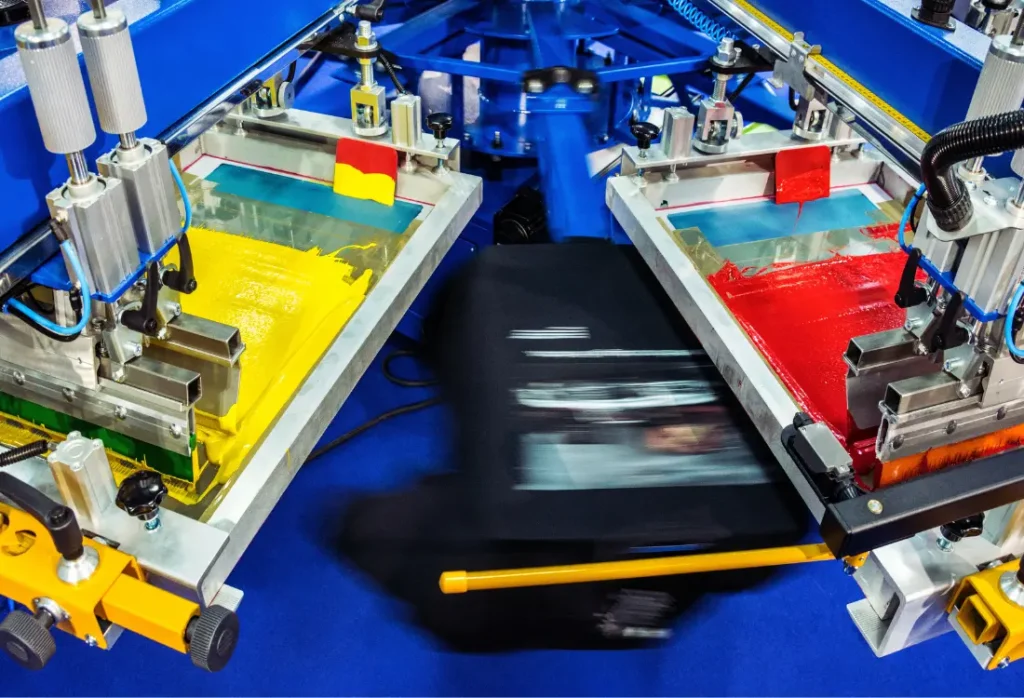
For larger runs, screen printing is often a natural fit because the initial setup costs are spread across more garments, while the method produces bold and durable results. DTG printing can suit detailed, full-colour designs and smaller quantities, while DTF printing offers flexibility across different fabrics and garment types. Embroidery is another option for logos, polo shirts and workwear when a textured, premium finish is wanted.
A good printer should recommend the method that gives your project the right balance of quality, durability and price rather than defaulting to one technique.
Want to explore the methods in more detail? Read “What Is DTG Printing? The Direct to Garment Printing Process Explained” or “How to Print T-Shirts: The Professional T-Shirt Printing Process Explained.”
Get the artwork right before you multiply it by 500
A small artwork problem on one T-shirt becomes a very well-repeated problem on 500. Before production, check the artwork quality, colours, print size and placement, and consider how the design will work across different garment colours.
Placement is particularly easy to underestimate. A logo that looks perfectly balanced on a screen can feel very different once it’s printed across a chest or back. The proof is your opportunity to check these details before the full order goes into production.
For sizing and positioning tips, check out our blog “T-Shirt Design & Logo Placement: A Practical Guide to Getting It Right.”
Better bulk T-shirt printing starts with better planning
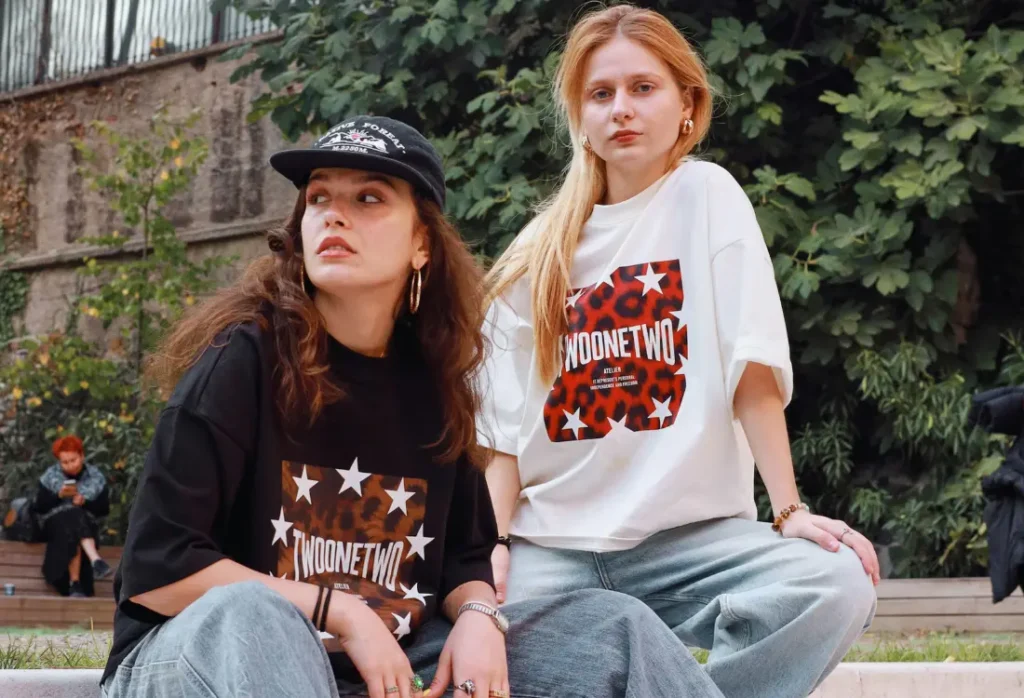
A well-planned bulk custom T-shirt order isn’t simply about achieving a lower unit price. It’s about ordering the right quantity and sizes, choosing a garment people will actually want to wear and matching the printing method to the artwork and its purpose.
That’s what good custom T-shirt printing at scale comes down to. Whether you’re ordering merchandise, uniforms or event clothing, getting those decisions right before production makes the rest much simpler.
Ready to move from planning to printing? Explore ICON’s custom T-shirt printing UK services and bulk printing options for your next order, or get in touch to discuss your project by emailing sales@iconprinting.com and we’ll help you find the right garments, printing method and quantities for your order.
Bulk T-Shirt Printing FAQs
Is it cheaper to print T-shirts in bulk?
Usually, yes. The cost per T-shirt generally decreases at higher quantities because production costs are spread across more garments. The exact saving depends on the garment, printing method, colours and print positions.
How much does it cost to get 100 T-shirts printed?
There’s no single price. The cost depends on the garment, printing method, artwork and print positions. A standard tee with a simple one-colour print will generally cost less than a premium garment with a more complex design.
What is the minimum order for bulk T-shirt printing?
ICON’s minimum order is 20 items per design. You can mix garment types, sizes and colours within those 20 items as long as they use the same design.
How long does a bulk T-shirt order take?
ICON’s standard turnaround is around 7–10 working days including production and delivery. Express production can be available from around 3 working days from artwork approval, depending on the order.