


Screen Printing Inks Explained: Types, History and Best Uses
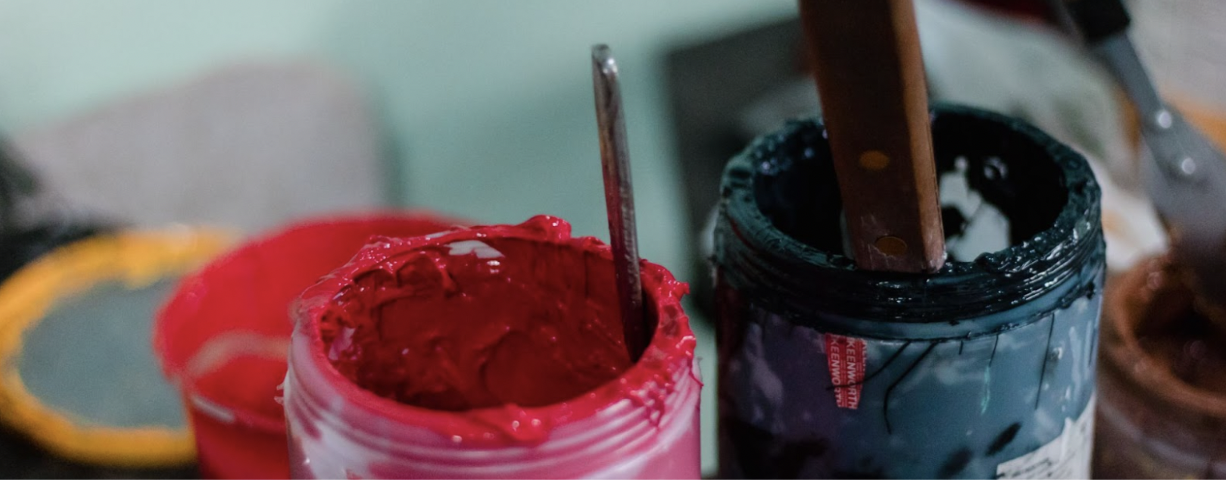
When it comes to custom apparel, the artwork often gets all the attention, but the ink plays just as important a role. The type of screen printing ink you choose affects everything from colour vibrancy and durability to how soft the print feels against the fabric.
Today, there are several screen printing ink types available, each designed for different garments, print styles and performance requirements. Whether you’re producing event merchandise, branded workwear or premium fashion apparel, understanding the differences between plastisol, water-based and discharge inks will help you achieve the best possible result.
In this blog, we’ll explain what screen printing ink is, explore the most common ink types, look at how they’ve evolved over time, and help you choose the right option for your next project.
What Are Screen Printing Inks?
Screen printing ink is a specially formulated ink designed to transfer artwork through a mesh screen onto a surface such as fabric, paper, plastic or wood. During the screen printing process, ink is pushed through the stencil using a squeegee, allowing precise layers of colour to be applied one at a time.
Unlike digital printing methods, screen printing uses a separate screen for each colour in the design. This process produces vibrant colours, exceptional durability and consistent print quality, making it one of the most popular printing methods for custom clothing and promotional merchandise. Read more about our screen printing services, the process and some aspects to consider here: “Screen Printing“.
One of the biggest advantages of screen printing is the variety of inks available. Different screen printing ink types create different finishes, textures and levels of durability, allowing printers to match the ink to the garment and design.
The Most Common Screen Printing Ink Types
Modern screen printing offers far more choice than ever before. While specialist inks continue to evolve, most apparel printing relies on three main ink types.
Plastisol Ink
Plastisol remains one of the most widely used screen printing inks in the apparel industry.
Made from PVC particles suspended in a plasticiser, plastisol ink sits on top of the fabric rather than soaking into it. This creates bold, opaque colours that work well on both light and dark garments.
Its popularity comes down to reliability. Plastisol is easy to print with, cures consistently and produces long-lasting results that stand up well to repeated washing.
Best for:
- Promotional clothing
- Event merchandise
- Sportswear
- Large production runs
- Bold logo designs
Advantages
- Excellent durability
- Bright, vibrant colours
- Works on light and dark garments
- Suitable for many different fabrics
- Fast production for larger orders
Water-Based Ink
As sustainability has become increasingly important, water-based inks have grown significantly in popularity.
Unlike plastisol, water-based ink penetrates the fibres of the garment instead of sitting on top. The result is an exceptionally soft print that feels like part of the fabric rather than an added layer.
Water-based inks are particularly popular with fashion brands looking for a premium finish on cotton garments.
They’re also considered a more environmentally friendly option because they contain fewer plastics and are generally lower in harmful chemicals. If you’re looking to create more eco-friendly merch, head over to our blog “The Ultimate Guide to Sustainable Merchandise” for more information on how to make better, more sustainable choices in custom garment creation.
Best for:
- Fashion brands
- Organic cotton garments
- Premium merchandise
- Soft-touch prints
- Sustainable printing projects
Advantages
- Extremely soft feel
- Vibrant colours
- Lower environmental impact
- Excellent for natural fibres
- Comfortable for everyday wear
Discharge Ink
Discharge ink offers one of the most distinctive finishes available in screen printing.
Rather than adding an opaque layer over the garment, discharge ink removes the existing dye from dark cotton fabrics before replacing it with new pigment. This creates vibrant colours while maintaining the natural softness of the fabric.
Because the print becomes part of the garment itself, discharge printing often produces one of the softest finishes possible.
It’s particularly popular for premium band merchandise, lifestyle brands and high-quality retail clothing.
Best for:
- Dark cotton garments
- Vintage-inspired prints
- Fashion collections
- Premium merchandise
Advantages
- Ultra-soft finish
- Bright colours on dark garments
- Lightweight feel
- High-quality appearance
The Evolution of Screen Printing Inks
The evolution of printing inks is a story that spans thousands of years, from the first use of ink made from plant and animal materials to the development of modern synthetic inks that we use today. One of the earliest applications of screen printing inks was made using a mixture of water, gum arabic; a natural gum originally consisting of the hardened sap of two species of the Acacia tree, and soot, a slightly sticky, fine black or brown powder. This ink was applied to a stencil made of silk, which was stretched across a frame and pressed through; inspiring the screen printing techniques we use today.
If you are looking for more information on screen printing history, check out our blog “Screen Printing History: How Michael Vasilantone Changed T-Shirt Printing For Good“.
When and How Were Different Types of Inks Developed
The early 20th century brought over the development of synthetic inks, created by mixing pigments with synthetic polymers, which allowed for a broader range of colour options and improved durability. Synthetic inks were also easier to work with than the traditional inks and had better adhesion properties, which made them ideal for printing on a wide range of materials, including fabrics, plastics and metals.
With the rise of technological advancements in the 60s, Plastisol ink was invented. Plastisol is a type of ink made from PVC particles suspended in a liquid plasticizer, or more simply put: a type of ink containing microplastics mixed with a liquid that helps it stick to things. Not only is this type of ink known for its adaptability and permanence but it is also ideal for printing on both light and dark-coloured fabrics. Our clients love the speediness of using this service specifically for their event merchandise – Check out our reviews.
The sustainability movement drove an upsurge on finding more eco-conscious substitutes for existing printing inks and introduced Water-based inks. Popularised as a green alternative to traditional plastisol inks, water-based inks are known for their non-toxic, low-odour, and low waste production benefits. Made up of water and a colour pigment, although available in a limited range, water-based inks are popular for their ability to produce bright and vibrant, long-lasting colours and often best suited for printing on cotton, linen, and other natural fabrics.
Similarly, in the late 1990’s, another type of eco-friendly water-based printing ink; Discharge ink, took the printing world by storm, revolutionising the screen printing process. Designed specifically to be used on dark-coloured fabrics, these inks are formulated by bleaching out dye from a chosen fabric, creating a lighter colour that can then be printed over with a brighter, more vibrant ink colour, producing crisp results that feel much softer than plastisol printing.
Choosing the Right Screen Printing Ink
Screen printing inks have come a long way from the natural pigments used centuries ago. Today’s printers can choose from a wide range of ink types, each offering different advantages depending on the garment, artwork and finish required.
Whether you’re looking for the durability of plastisol, the soft feel of water-based inks or the premium finish of discharge printing, selecting the right ink is one of the most important decisions in creating high-quality custom apparel.
At ICON Printing, we’ll help you choose the best screen printing ink for your project, ensuring your garments not only look great on day one but continue to perform wash after wash.
Whether you’re looking for a durable and versatile ink for printing on fabrics or a specialty ink for creating unique designs, there is an ink out there that will meet your needs. Keen to find out more? Our passionate London-based team of experts is waiting to hear from you and help you guide your next order. Email us at sales@iconprinting.com or Get a Quote online in 2 minutes.
Frequently Asked Questions about Screen Printing Ink Types
What is screen printing ink?
Screen printing ink is a specially formulated ink used to transfer designs through a mesh screen onto garments and other materials. Different ink types produce different finishes, durability levels and textures.
What are the most common screen printing ink types?
The three most common screen printing ink types are plastisol, water-based and discharge inks. Specialty inks such as puff, metallic and glow-in-the-dark inks are also used for creative effects.
What is the difference between plastisol and water-based ink?
Plastisol sits on top of the fabric, creating bold colours and excellent durability. Water-based ink soaks into the fibres, producing a softer feel that’s popular for premium apparel and fashion garments.
Which screen printing ink is best for dark garments?
Discharge ink is often the preferred choice for dark cotton garments because it removes the original dye before adding colour, creating vibrant prints with an exceptionally soft finish.
Which screen printing ink lasts the longest?
Plastisol ink is generally regarded as one of the most durable screen printing inks, making it an excellent choice for workwear, promotional clothing and garments that receive frequent use.