


T-Shirts With a Message: Why Fashion Activism Is All About the Slogan Tee
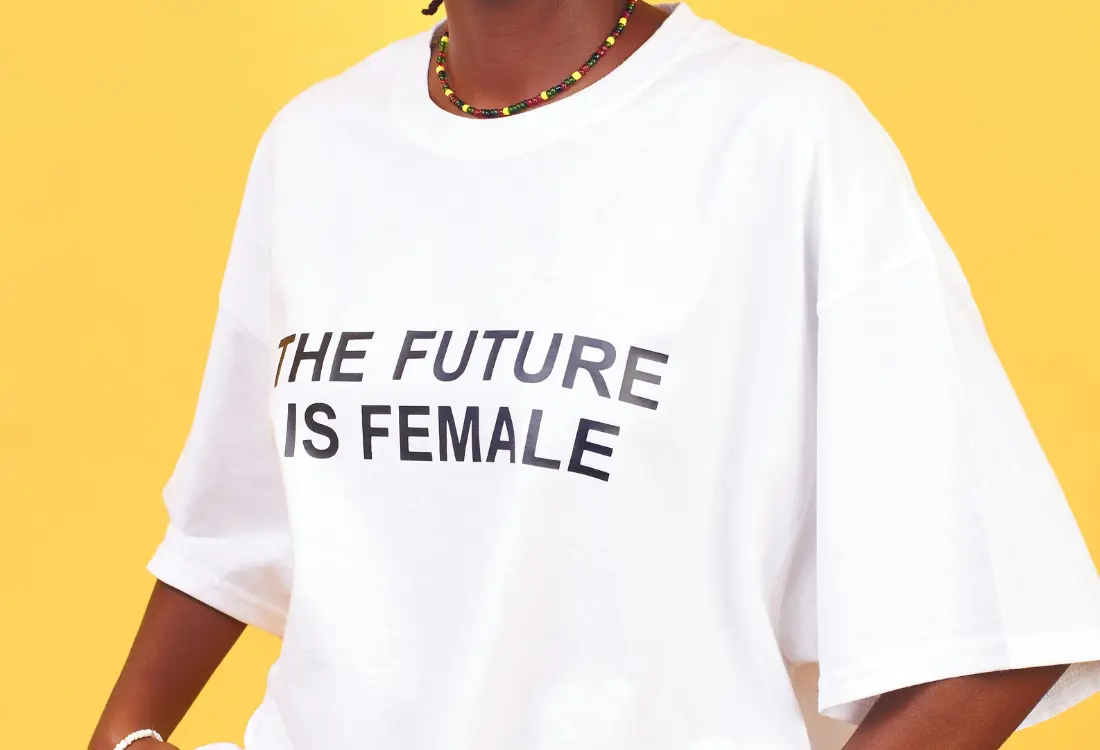
Long before social media turned every opinion into a post, people were wearing their beliefs. From political campaigns and environmental movements to charity fundraising and cultural moments, the humble t-shirt has become one of the world’s most recognisable canvases for self-expression.
So why are some of the most powerful messages are printed on cotton? A slogan t-shirt can say more than a speech.
The strongest slogan tees all have one thing in common: people remember them. “Best T-Shirt Slogans of All Time: 8 Designs and Why They Work” explores why some messages stay relevant for decades. This article looks at the other side of the story: how slogan t-shirts became one of fashion’s most powerful tools for activism.
Fashion Activism Didn’t Start on Social Media
For A/W 2019, Dior opened its runway show with a clear statement: “Sisterhood Is Global.“ Printed across a simple white t-shirt, the slogan continued the feminist message championed by creative director Maria Grazia Chiuri since joining the fashion house in 2016.
The shirt suggested something bigger than luxury fashion. It argued that feminism shouldn’t belong only to wealthy Western audiences, but to women everywhere.
At more than £500, the original t-shirt wasn’t accessible to everyone. But that was never really the point. Like many influential fashion pieces, it inspired countless affordable interpretations that carried the same message to a much wider audience.
Today, fashion activism stretches far beyond feminism. Artists including Jeremy Deller and Wolfgang Tillmans have created anti-Brexit merchandise, while designer Ashish used a simple “Immigrant” slogan to challenge political narratives. Environmental campaigns have also embraced slogan tees, with brands promoting messages around organic cotton, ocean conservation and responsible fashion.
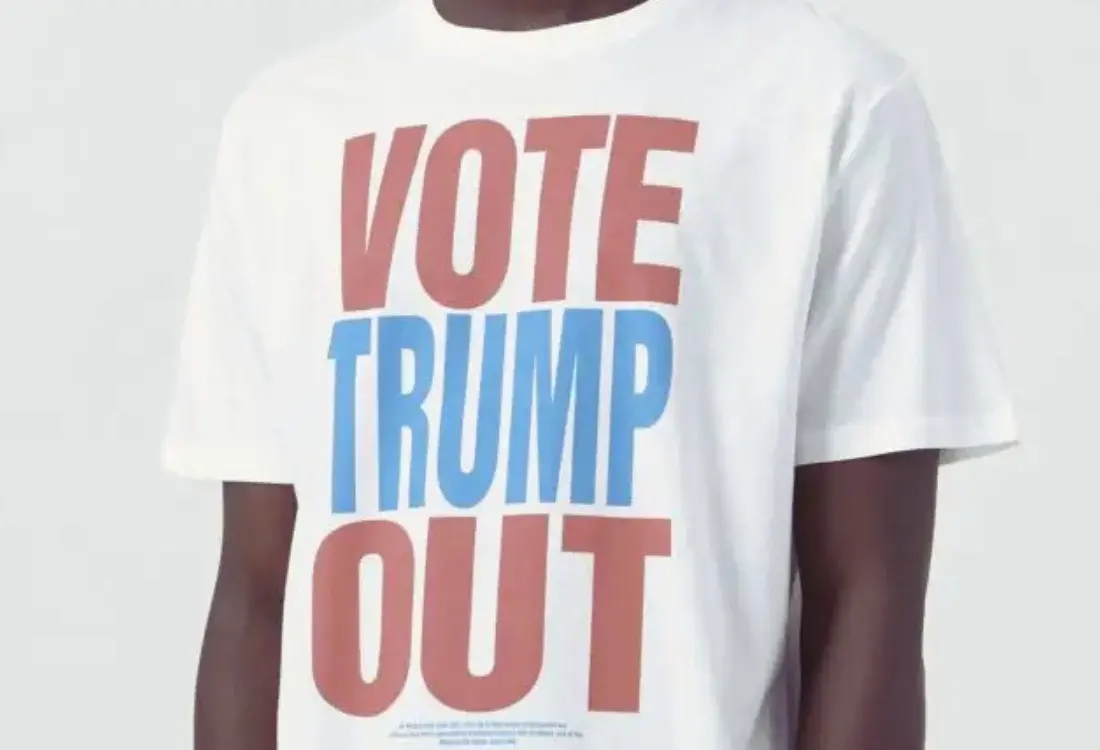
The Origins of the Slogan T-Shirt
Although slogan tees feel incredibly modern, their roots go back decades.
British designer Katharine Hamnett transformed political fashion in 1984 when she attended a meeting with Prime Minister Margaret Thatcher wearing a homemade t-shirt reading “58% Don’t Want Pershing.” Knowing photographers would be present, she deliberately used clothing instead of speeches to communicate her opposition to nuclear missiles.
The photograph became one of fashion’s defining activist moments.
Hamnett continued using clothing as a platform throughout her career. Her famous “Choose Life” t-shirts became cultural icons during the AIDS crisis, while later collections promoted environmental awareness with messages such as “Clean Up Or Die.” More recently, she returned to slogan tees to comment on Brexit, climate change and international politics.
The slogan t-shirt trend is far from new, however. Its origins in popular culture can be traced back to the 1980s, when British designer Katharine Hamnett decided that the best way to convey her political message was to wear it — literally. In 1984, she was invited to meet Margaret Thatcher at Downing Street. A strong opponent of the then-Prime Minister’s policies, she agreed to attend only because she knew it would be a “good photo opportunity.” With the cameras turned on her, Hamnett opened her jacket to reveal a homemade t-shirt beneath, with its bold black and white slogan: “58% Don’t Want Pershing.” It was a protest against the US Nuclear missiles then being flown over European airspace, and a protest in turn against Thatcher.
Why the Slogan Tee Never Disappeared
Fashion trends come and go. The slogan t-shirt never really did.
Vivienne Westwood spent decades using clothing to communicate environmental and political beliefs. Her famous “Buy Less, Choose Well” campaign encouraged consumers to think differently about fashion itself, while later collections questioned modern consumer culture with bold statements such as “We Sold Our Soul For Consumption.”
The strength of a slogan tee isn’t complicated design. It’s clarity.
A few carefully chosen words can communicate values instantly. Whether someone agrees or disagrees, the message starts a conversation long before the wearer says anything.
Why Brands Still Use Slogan T-Shirts Today
Fashion activism isn’t limited to luxury designers anymore.
Charities, community organisations, musicians, startups and global brands all use slogan t-shirts to build awareness around causes they care about. Whether promoting equality, sustainability, local initiatives or other important messages, the principle remains the same: a wearable message travels much further than a poster.
For businesses, slogan tees can also strengthen brand identity. Employees, customers and supporters become ambassadors simply by wearing something they genuinely like.
Of course, a great slogan deserves equally great production. Choosing the right garment and print method ensures the message stays bold after repeated wear and washing. If you’re curious about what happens behind the scenes, our blog “How to Print T-Shirts: The Professional T-Shirt Printing Process Explained” explains the professional production process from artwork to finished garment.
When Good Design Makes the Message Stronger
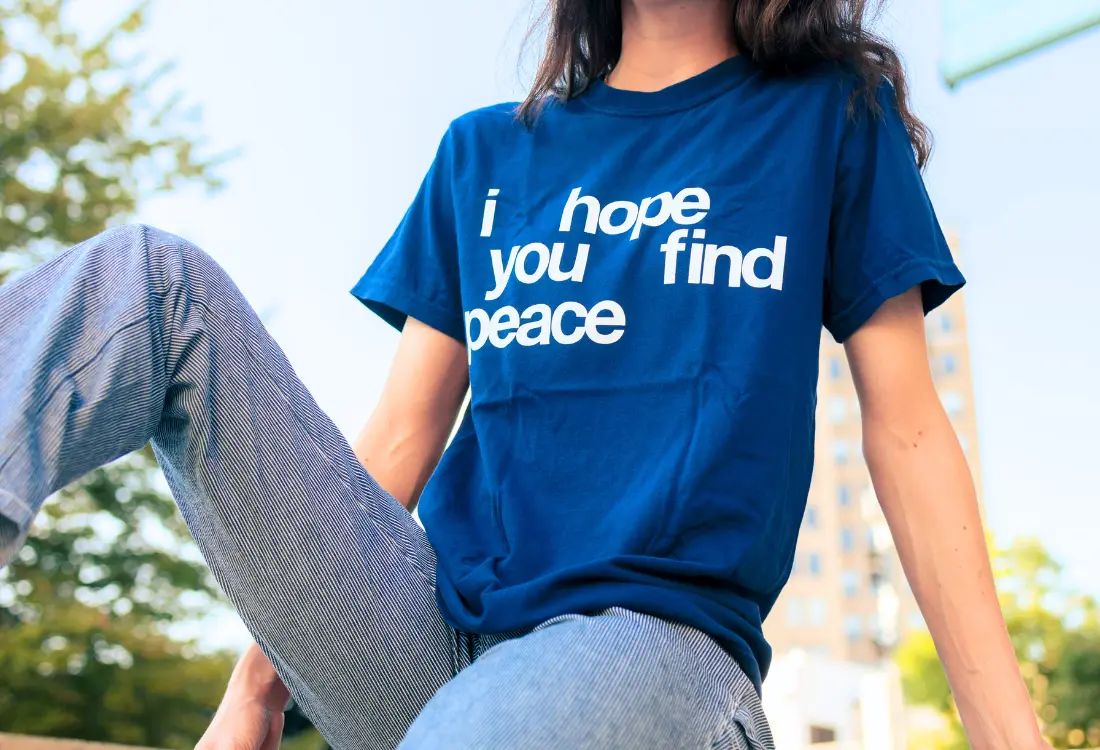
The best slogan t-shirts aren’t memorable because they’re loud.
They’re memorable because the typography, spacing, colour and garment all work together to support the message. Sometimes the simplest design creates the strongest impact.
If you’re planning your own campaign or clothing collection, it’s worth spending as much time refining the presentation as the words themselves. Great ideas deserve equally thoughtful execution.
Whether you’re printing t shirt designs with a message or creating premium embroidered apparel, our team can help you produce clothing people genuinely want to wear. At ICON Printing, we help businesses, creators and organisations produce premium printed t-shirts, embroidery and branded merchandise with fast turnaround times and expert advice from start to finish. Get in touch today at sales@iconprinting.com to bring your design to life or simply Get a Quote online in less than 2 minutes.