


Branded Workwear: How to Keep Your Team Looking Consistent Across Locations
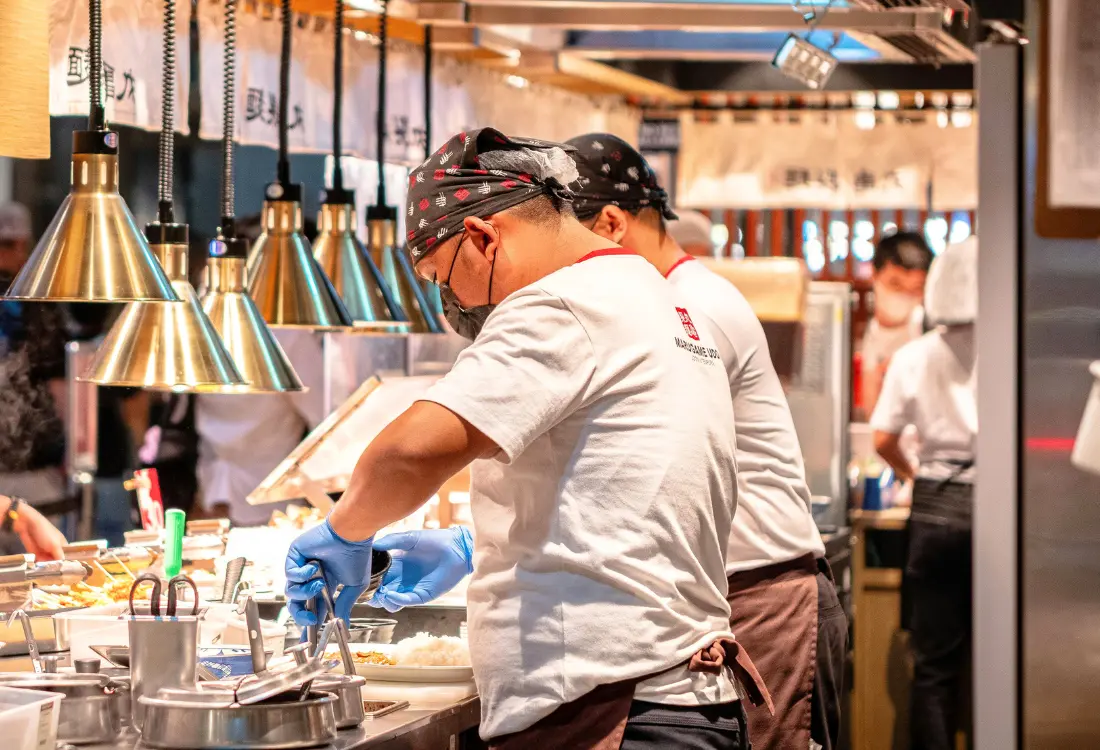
Good branded workwear should feel like part of your business, whether it’s worn by five employees in one office or teams working across several locations. The challenge is keeping that look consistent as people join, uniforms wear out and new orders are placed.
The solution is to establish clear garment specifications, consistent branding and a reliable reordering process from the start. For businesses managing company clothing across departments or locations, these details make all the difference between a coordinated team and a collection of slightly mismatched uniforms.
Here’s how to get it right without making ordering workwear more complicated than it needs to be.
Why Consistency Matters in Corporate Clothing
Think about the brands you recognise instantly. Often, their clothing plays a part in that recognition, even when the logo is relatively subtle.
Matching corporate clothing gives employees a shared visual identity and makes staff easier for customers to recognise. It can also create a stronger sense of belonging, particularly when teams work in different locations but represent the same business.
And that visual consistency can influence much more than appearances. As we explore in our blog “Brand Image: How Uniforms and Company Merchandise Shape Perception“, the clothing your team wears contributes to how customers perceive your business, from its professionalism to its attention to detail.
Consistency doesn’t mean everyone must wear identical clothes, though. A restaurant manager might need a smart embroidered shirt while front-of-house staff wear relaxed T shirts and aprons. What matters is that the colours, logos and overall style belong together.
Choose Company Uniforms That Work Across Different Roles
A uniform that looks fantastic in a product photograph isn’t necessarily one employees will enjoy wearing through an eight-hour shift.
Start with the practicalities. Consider movement, temperature, washing requirements and how frequently each garment will be worn. Restaurant uniforms need to handle busy hospitality environments, while corporate clothing might prioritise a smarter silhouette and comfortable everyday fabrics.
Rather than choosing completely different products for each department, build a small, coordinated range. For example:
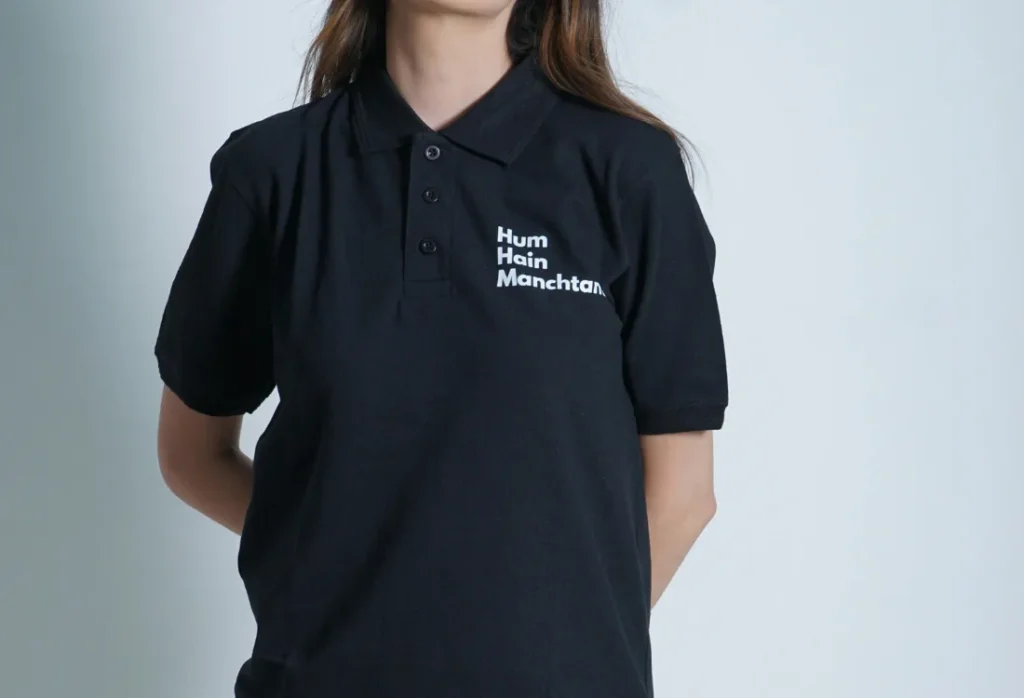
- Polo shirts: A smart, versatile option for customer-facing staff.
- T shirts: Comfortable everyday clothing for active teams.
- Sweatshirts: An easy additional layer that keeps branding visible.
- Caps: A practical branded accessory for suitable roles and environments.
Pay attention to garment colours, fabric weights and fits. Even two black T shirts from different manufacturers can look noticeably different side by side.
Choosing the right combination of garments takes a little thought, especially when different roles have different requirements. For more tips and inspiration on balancing style, comfort and practicality, explore our blog “How to Design a Uniform – An Expert Guide to Creating the Perfect Workwear“.
Keep Staff Uniforms Consistent With Clear Branding Rules
Your logo might be perfectly consistent across your website, packaging and marketing materials. But once it moves onto clothing, new variables appear.
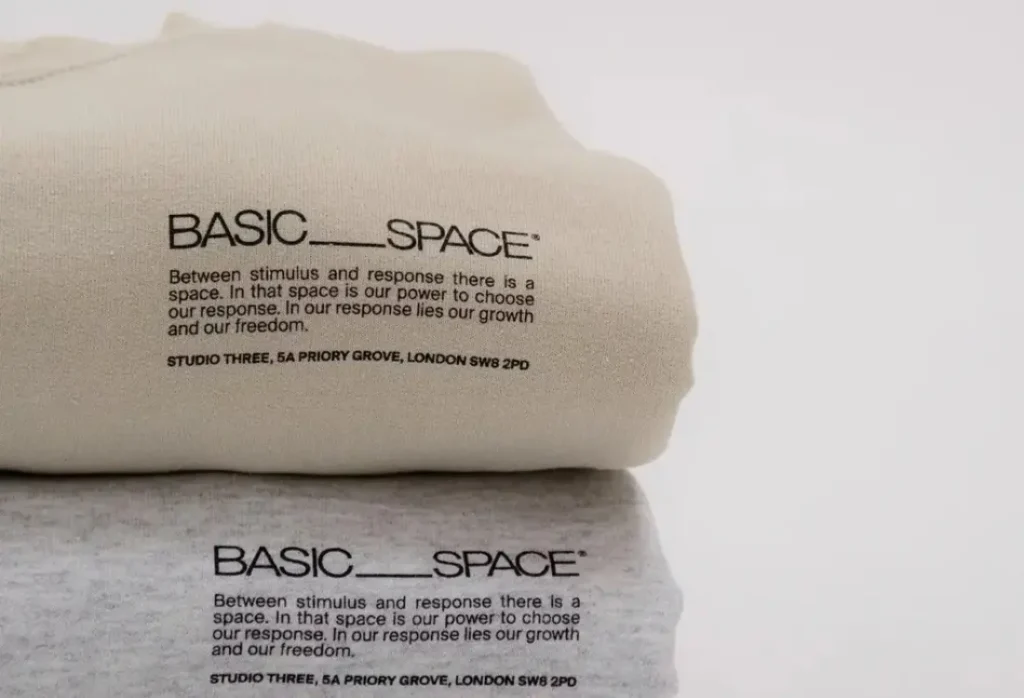
A logo embroidered onto a polo shirt won’t necessarily look identical to the same artwork screen printed across a T shirt. Thread colours, garment texture, design dimensions and placement all influence the finished result.
For staff uniforms, establish a few practical standards:
- Approved logo versions and artwork files
- Garment colours and preferred product styles
- Logo dimensions and placement for each garment
- Agreed printing or embroidery methods
These decisions are especially valuable when different departments order independently. Without shared specifications, small changes can gradually become part of the uniform.
Wondering whether a chest logo should sit higher, lower or somewhere else entirely? Our blog “T-Shirt Design & Logo Placement: Size & Positioning” explores the creative and practical considerations to help you get it right.
Embroidered Workwear or Printed Workwear: Which Keeps Your Branding Consistent?
Both embroidery and printing can produce excellent branded clothing. The better choice depends on the garment, artwork and intended use.
Embroidered workwear is particularly effective for smaller logos on polo shirts, sweatshirts and jackets. Its textured finish creates a premium appearance, while the stitching offers durability for clothing worn and washed regularly.
Printed workwear offers more flexibility for larger graphics, detailed designs and prominent branding. Screen printing is particularly well suited to larger quantities, while DTF printing can accommodate detailed artwork across a variety of fabrics.
You don’t necessarily need one method for every garment. A business might combine embroidered uniforms for its customer-facing team with screen printed T shirts for events, provided the overall visual identity remains consistent.
If you’re weighing up the options, our blog “Top Techniques for High Quality Custom Apparel: Screen Printing, Embroidery, and More” explains how different methods work and where each performs best.
Make Repeat Orders of Company Branded Clothing Easier
Here’s where a little preparation really pays off.
When someone new joins the team or existing clothing needs replacing, you shouldn’t have to make every design decision again. Keep a record of garment models, colours, sizes, approved artwork and previous order details so the next batch can follow the same specifications.
It’s also worth understanding how your printing partner handles repeat orders.
At ICON Printing, screen printing screens are stripped and recycled after production rather than stored. However, reorders placed within six months benefit from a reduced screen setup charge of £16.80 per colour, and your design will be printed exactly as on the previous order.
That makes repeat ordering worth planning for, particularly when your business regularly needs additional branded workwear.
One final detail: check garment availability before reordering. If a particular product has been discontinued, choosing a suitable replacement carefully helps maintain a coordinated look.
Create Branded Workwear Your Team Will Be Proud to Wear
The best company branded clothing brings together practicality, personality and attention to detail. It should suit the people wearing it, represent your business properly and remain recognisable from one order to the next.
At ICON Printing, we help businesses create high-quality personalised clothing through screen printing, embroidery, DTG and DTF printing. From choosing garments to reviewing artwork and preparing repeat orders, our team can help you make the right decisions for your brand.
Ready to get your team looking the part? Explore our wide selection of products or email sales@iconprinting.com to discuss your next order. Let’s make something your team will actually love wearing.
Frequently Asked Questions About Branded Workwear
How can businesses keep branded workwear consistent across different locations?
Use the same approved artwork, garment specifications, colours and logo placements across orders. Keeping clear records and working with a consistent printing partner helps prevent unnecessary variations.
What are the different types of company uniforms?
Company uniforms range from corporate shirts and embroidered polo shirts to printed T shirts, sweatshirts, jackets and hospitality clothing. The best combination depends on the workplace, employee responsibilities and brand identity.
Is embroidery or printing better for staff uniforms?
Embroidery is particularly suitable for durable, smaller logos on structured garments. Printing offers greater flexibility for larger graphics and detailed artwork. Both can work well depending on the desired appearance and garment.
Can I reorder branded workwear with exactly the same design?
Yes! At ICON Printing, previous designs can be reproduced on repeat orders. For screen printing, reorders placed within six months also benefit from a reduced screen setup charge of £16.80 per colour. Just remember to confirm garment availability and specifications when ordering.
What should I consider before ordering workwear for a growing team?
Think beyond the initial quantity. Consider sizing, comfort, garment availability, branding specifications and how easily additional clothing can be ordered later. Planning for future employees can save time and help maintain a consistent appearance.