


T-shirt fit guide: how to pick a perfectly fitting t-shirt for your size and style

How to get the perfect fit
If you’re like many of us, you’ll spend more time in a t-shirt than in any other item of clothing (except your underwear, hopefully). In fact, the humble tee is so commonplace that the dark art of sizing doesn’t quite get the attention it deserves. Rather than bulk buying simple undershirts, try taking your time finding a t-shirt that fits, because there’s no simpler way to make your everyday look more fashionable.
It’s easy to see why t-shirts have become so popular. In the age of athleisure, comfort is king and formal clothes are becoming less and less common. There’s hardly a more comfortable garment than a well-fitted t-shirt, which is neither too tight nor too loose, without scratchy labels or irritating collars.
They’re also the most versatile of clothes. Some will only wear tees for activities which demand no fashion—sport, sleeping, lounging around at home. But t-shirts are also an opportunity to show your interests to the world around you, whether you’re buying one or designing a custom t-shirt for your business, brand, event or group. If you show others what your favourite brand or movie is, you might find some new friends with something in common come and introduce themselves.
But just because they’re comfy and versatile, it doesn’t mean t-shirts can’t be fashionable. A solid-colour tee is a classier look, especially paired with smart trousers and shoes, while colour-blocking with complimentary garments can make for a striking effect. You can put a tee under an open shirt for a relaxed formality, or tuck it under a jumper for a bit of extra warmth.
There are plenty of joys to be found in the t-shirt, but that’s only if you can get one to fit right, which can be harder than it sounds. That’s where we come in, so check out our handy guide to the perfect fit.
What’s your size?
A perfect fit will mean different things to different people, but you’re generally going to want a shape of tee which is flattering to your body shape. Sizes change depending on the brand — you might be a medium in one shop and a large in the next.
You might want to take chest and length measurements, which you can compare to a brand’s size guide. Due to variations between brands we recommend cross-checking your size against the brand size guide to be absolutely certain. Still, often the only way to know if a garment really fits is to try it on. Once you’ve tried it on in the changing rooms, it can be difficult to know if it’s just right. Which brings us on to our next section…
Measure yourself for the right t-shirt fit – Size guide
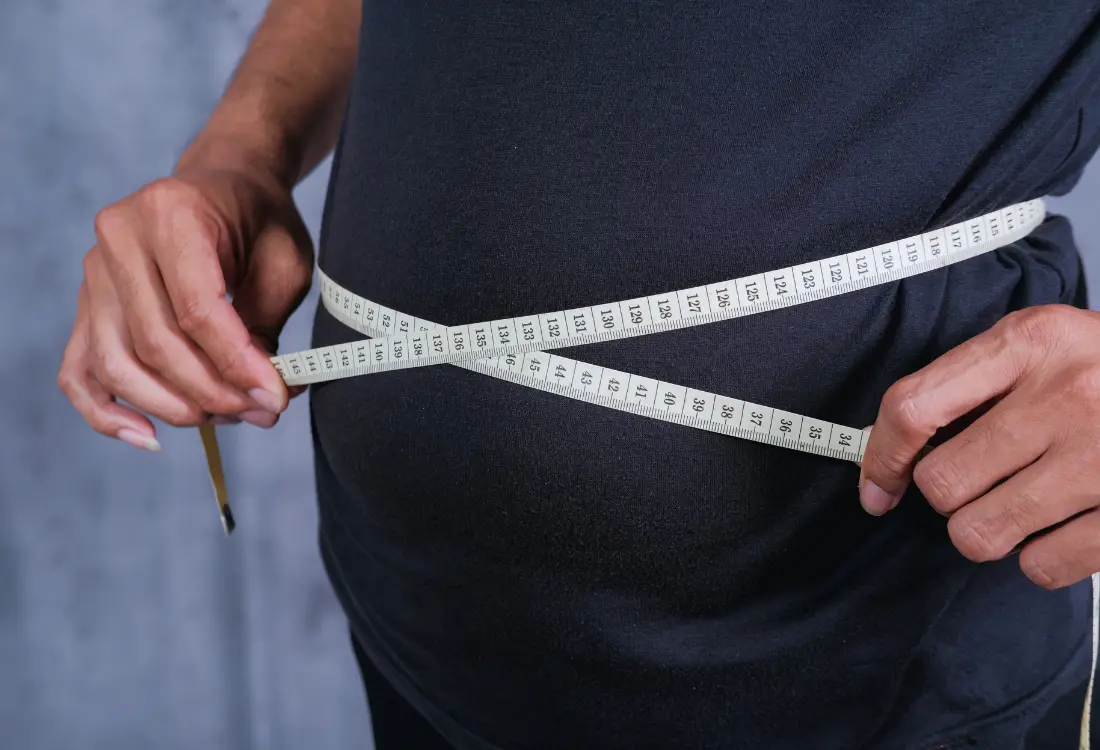
Getting the right t-shirt fit starts with accurate measurements. Because sizing can vary between brands, taking a few simple body measurements at home will help you choose the correct size with confidence.
Use a tape measure and take measurements while wearing a thin t-shirt or fitted undershirt. Avoid bulky clothing, as it can distort the results and affect accuracy.
- Chest measurement: Wrap the tape measure around the fullest part of your chest, keeping it level and snug but not tight.
- Shoulder width: Measure straight across your back at the widest point, from shoulder seam to shoulder seam.
- T-shirt length: Measure from the highest point of your shoulder down to where you want the hem to sit.
- Sleeve length: Start at the top of the shoulder and run the tape down the arm to the wrist bone for long sleeve styles.
- Waist and hips: Measuring around the waist and hips helps ensure the t-shirt drapes comfortably without pulling or clinging.
Once you have your actual measurements, compare them to the brand’s size chart rather than relying on letter sizes alone. This is the most reliable way to find the correct size and achieve a comfortable, well-balanced final fit.
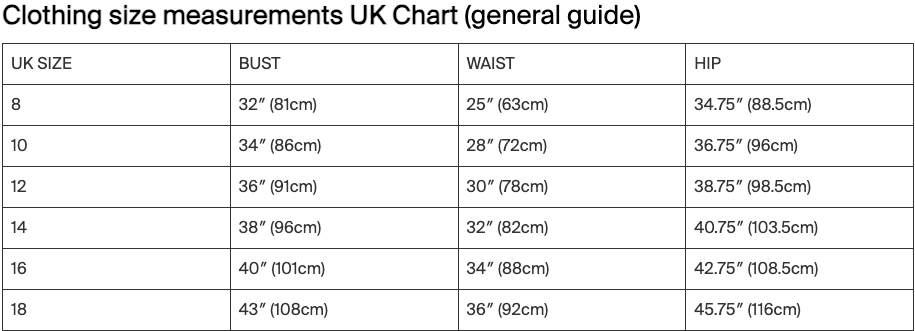
Size chart for accurate measurements
T-shirt sizes can vary between brands, so a UK size chart should be used as a guide rather than a guarantee. Compare the chart with your chest, shoulder and length measurements to find the closest match.
For more accuracy, you can use the ICON Printing clothing calculator, which helps you match your measurements to the right size before ordering.
How to know if a t shirt fits?
Tightness
A tee shouldn’t be too loose, or it’ll hang awkwardly and make you look shapeless. Too tight and it’ll show your least flattering contours — even if you have a perfectly toned torso, you might look a bit showy in a tight tee. If you’re slim, choose a t-shirt with a tailored torso so you’re not swallowed up. If you’re larger, choose a structure which gives you some extra room.
Length
If you lift up your arms, the hem of the tee shouldn’t ride up to expose your belly. As a general guide, it should hang lower than your hips, an inch or two below your belt-line, but not all the way to your legs. That said, in certain circles, like skaters, oversized tees are all the rage.
Arms
Shoulder fit is the easiest way to tell if a t-shirt fits you right. The seam along the shoulders should extend across the centre of your shoulder to the very top of your arm. If that’s right, everything else should fall into place. Meanwhile sleeves should go halfway down your upper arm, though some men’s tees have stitched sleeves for a ‘muscle fit’, which is flattering to the definition of your biceps. So its leaving roughly 0.5 to 1.5 inches of space around the arm for comfort without looking tight.
How to choose a t shirt for your body shape?
Men’s t shirts
According to most health and style experts, men’s body shapes can be roughly broken down into the following five categories. Knowing how your body fits into these is very handy in figuring out which styles might fit best – or be most flattering.
- Rectangle – with four out of ten men sporting a rectangle physique, this is the most common male body shape. It consists of a fairly flat torso with similar widths across the shoulders and waist. A classic or slim fit will be most flattering.
- Oval – similar to the rectangle, oval shaped bodies have a larger frame with a wider middle. A classic fit, or an oversize cut will work best for these body types.
- Triangle – this body shape carries a little more weight on the hips and middle, with slimmer shoulders. A classic cut is a good bet for triangle shapes.
- Inverted triangle – an athletic body shape, the inverted triangle features broad and muscular shoulders, with a slim waist and hips. A slim fit t-shirt will show off the muscles, but a classic or oversize fit will straighten it out for a more relaxed look.
- Rhomboid – another athletic build, the rhomboid is bit less pronounced than the inverted triangle. It’s similar to the rectangle, just with broader shoulders that are wider than the hips. Again, a slim or classic fit will be a good option here.
Women t shirts
You’ll see lots of features describing 10 or even 12 women’s body shapes, but really there are five main ones. The most common women’s body shapes can be broken down as follows:
- Rectangle – this body shape is fairly straight, with weight event distributed – slim or classic cuts will work best.
- Triangle – also described as a pear body shape, this body shape has wider hips and bottom, with a defined waist and slim arms and shoulders – a slim cut t-shirt will emphasise the waist.
- Hourglass – this body shape has even hip and bust measurements, with a narrower waist. A slim or classic cut will be flattering here.
- Inverted Triangle – also known as the apple shape, this means broader shoulders and bust, with narrower hips. A slim cut t-shirt will emphasise the shoulders, but a straighter cut will have a more even look.
- Round – a round body shape has a large bust and a bigger midsection – a classic cut will give the most relaxed, flattering look.
Choosing a t shirt according to style
Slim fit
Slim fit t-shirts are best for those after an athletic, “muscle” or body-hugging fit. This is a cut that will hug the body more tightly, with sleeves that will be tighter around the arms. For a really sporty fit, choose t-shirts that have a more elasticated material that means the sleeves can stretch around the arm muscles while keeping the rest of the t-shirt tight around the body.
Classic fit
The classic cut is smart and flattering, with well fitted shoulders and sleeves that have a comfortable amount of space around the arms. It should hang straight, just below the waist without excess material.
As a general guide, a classic or regular fit should allow around one to two inches of loose fabric that can be lightly pinched at the sides. This creates a timeless silhouette that feels relaxed without appearing baggy, and works well for everyday wear or layering
Baggy or relaxed fit
The oversize t-shirt has become much more popular in recent years. You could choose a t-shirt specifically cut in this way – which means it will fit around the upper body better – or opt for a size or two bigger. While the baggy shirt has been associated with the skater or hip hop look, recently it’s become a smarter style too; a crisp oversized t-shirt in black or white can look just as smart when worn right.
Other important tips for perfect fit
Consider the fabric
There are a range of fabrics to choose from, but 100% cotton is generally a safe bet. We like it here at ICON because it’s soft, strong and breathable. You might want to consider cotton blends, which are less likely to wrinkle or shrink in the wash, but with a quality, pre-washed cotton shirt, this shouldn’t be an issue. You want your t-shirt to fit even after frequent washing.
Check out different brands
Sizes differ depending on the company, so make sure to try a tee before you pay for it. Some of our brands such as Sols, Gildan, Continental and Fruit of the Loom come out in slightly different sizes, so this is something you’ll want to investigate.
Don’t be fooled by the price
T-shirts can be made incredibly cheaply, but that doesn’t mean you should buy the cheapest option. If you spend a little more, you’ll get higher quality fabric which will wash better, last longer, and hold its shape and colour. It will be more comfortable and gentler on your skin — because perhaps the only thing more important than looking after your t-shirt is being kind to your skin underneath.
Frequently asked questions about t shirt fit and trends
What are the main t-shirt fit styles and how do they affect comfort?
T-shirts typically come in slim, regular, relaxed, and oversized fits. Slim fits sit close to the body for a streamlined look, regular fits offer a classic balance with around 1–2 inches of ease, while relaxed and oversized fits are intentionally looser for comfort and movement.
What t-shirt fits and styles are trending in 2026?
In 2026, t-shirt trends lean towards oversized silhouettes and dropped shoulders, particularly in streetwear and casual fashion. These styles focus on comfort and layering, while classic and regular fits remain popular for everyday and workwear use.
How do different body types affect t-shirt fit choice?
Broader or stocky builds often suit regular or relaxed fits that allow room through the chest and midsection. Taller builds benefit from longline or oversized styles for better proportion, while larger builds typically prefer relaxed or classic fits for a balanced silhouette.
Does fabric choice affect how a t-shirt fits over time?
Yes. 100% cotton t-shirts are breathable and comfortable but can shrink after washing. Cotton and polyester blends tend to hold their shape better, resist wrinkles, and offer more stretch, helping maintain fit over time.
What should you check first when choosing the right t-shirt fit?
Start with accurate body measurements and compare them to the brand’s size chart. Fit can vary between brands, styles, and fabrics, so checking measurements helps ensure the best overall fit and comfort.
Looking for t shirt printing from the pros?
At ICON Printing we offer fast turnaround t-shirt printing in London and embroidery with a wide-ranging catalogue from t-shirts to caps to bags. Get a quote in 2 minutes online.