


Eco-Friendly Packaging Materials: 7 Brands Leading the Way
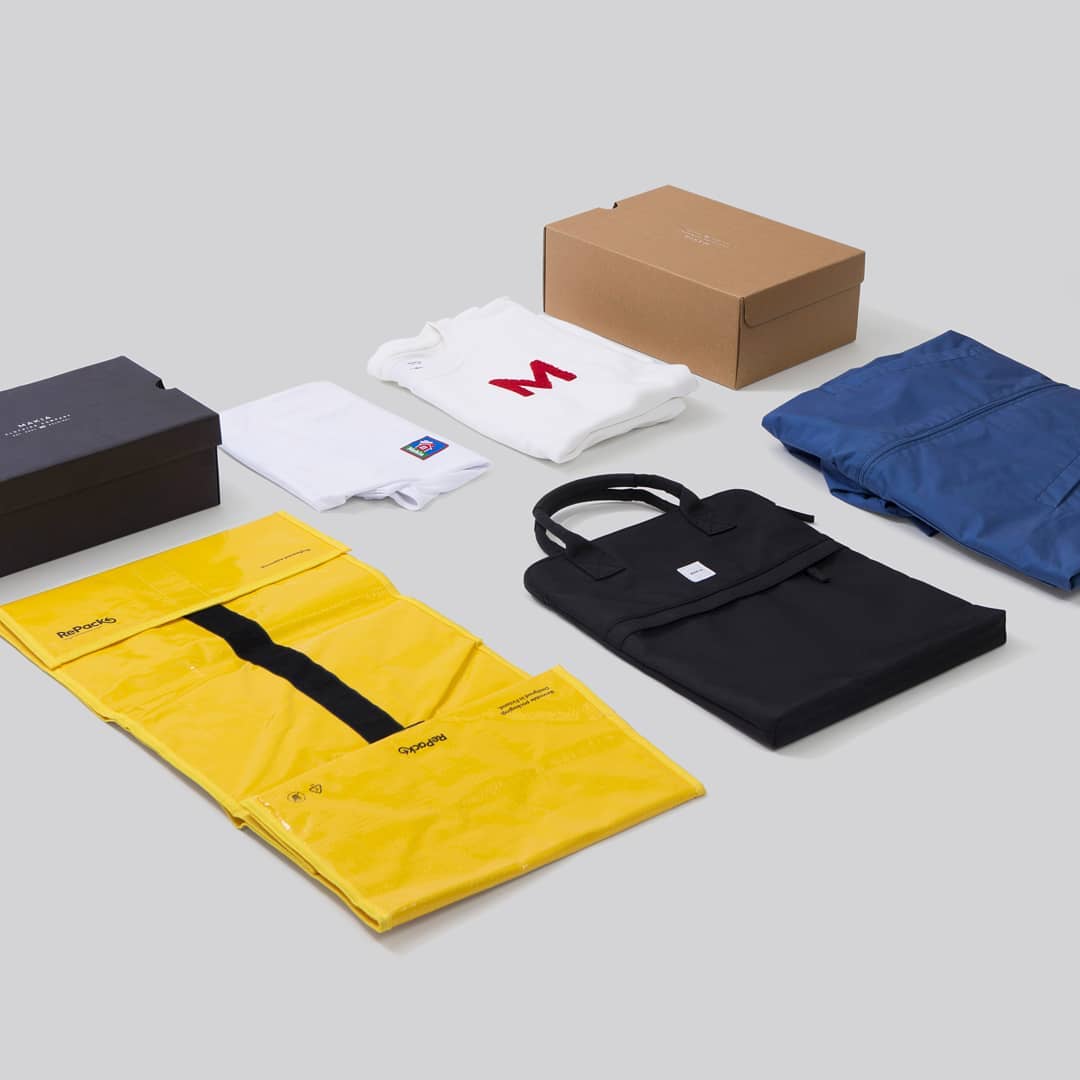
More businesses than ever are investing in eco-friendly packaging to reduce waste, meet changing regulations, and appeal to environmentally conscious customers. From recyclable cardboard and compostable packaging to paper bubble wrap and biodegradable mailers, sustainable packaging solutions have become a competitive advantage rather than a niche trend.
Initiatives like Earth Day have helped raise awareness for responsible consumerism, encouraging businesses and consumers to make more informed choices. In fact, 82% of consumers say they’re willing to pay more for sustainable packaging, while governments worldwide continue introducing restrictions on single-use plastics. Choosing the right eco-friendly packaging materials isn’t just about protecting the environment anymore, it’s about future-proofing your business.
In this guide, we’ll explain what makes packaging eco-friendly, explore some of the best sustainable packaging materials available today, and look at seven brands using innovative packaging solutions to reduce their environmental impact.
What Is Eco-Friendly Packaging?
Eco-friendly packaging refers to packaging made from materials that minimise environmental impact throughout their lifecycle. These materials are typically recyclable, biodegradable, compostable, or produced from renewable or recycled resources.
Unlike traditional plastic packaging, which can take hundreds of years to break down, sustainable alternatives are designed to reduce landfill waste, lower carbon emissions, and support a circular economy by keeping valuable materials in use for longer.
Some of the most common eco-friendly packaging materials include:
- Recycled cardboard
- Recyclable paper packaging
- Paper tape
- Paper bubble wrap
- Compostable packaging
- Plant-based bioplastics
- Mushroom-based packaging
- Sugarcane bagasse packaging
- Seaweed-based packaging
The best solution depends on the product you’re shipping, transport requirements, durability needs, and your sustainability goals.
What Is the Best Eco-Friendly Packaging?
There isn’t one perfect material for every business. The right eco-friendly packaging solution depends on what you’re selling and how it’s delivered.
| Packaging Material | Best For | Key Benefits |
|---|---|---|
| Recycled cardboard | Shipping boxes | Highly recyclable, durable and widely available |
| Paper tape | Parcel sealing | Fully recyclable alongside cardboard boxes |
| Paper bubble wrap | Protective packaging | Plastic-free cushioning for fragile items |
| Compostable packaging | Food and lightweight products | Breaks down naturally in suitable composting conditions |
| Bagasse (sugarcane fibre) | Food packaging | Renewable, compostable and sturdy |
| Mushroom packaging | Fragile goods | Biodegradable alternative to foam packaging |
| Seaweed packaging | Food products | Renewable material with growing commercial potential |
Many of these materials use renewable or recycled inputs instead of virgin fossil resources, helping businesses reduce their overall environmental footprint while improving recyclability.
7 Brands Using Sustainable Packaging Materials
1. MUD Jeans
Dutch clothing brand MUD Jeans embraces the circular economy throughout its business model. Alongside manufacturing jeans using recycled materials and water-saving processes, the company ships products in reusable RePack packaging that customers can return and reuse multiple times.
This reduces packaging waste while protecting garments during delivery and encourages customers to participate through return incentives.
2. Seed Phytonutrients
Seed Phytonutrients developed one of the world’s first shower-friendly paper bottles.
Made from 100% post-consumer recycled paper with a recycled plastic liner, the bottle uses significantly less plastic than traditional packaging while maintaining durability during everyday use. It’s an excellent example of combining recycled materials with practical product design.

3. Alima Pure
Instead of encouraging customers to replace entire cosmetic containers, Alima Pure created refillable compacts with magnetic refill pans.
Reducing single-use packaging helps minimise waste while extending the life of the original product. It’s a simple but effective approach to sustainable packaging.
4. TOTM
Period care brand TOTM combines certified organic cotton products with environmentally responsible packaging.
Its tampons use biodegradable cardboard applicators, while pads are wrapped in biodegradable or compostable biofilm. The company continues investing in improved materials to reduce waste without compromising product performance.
5. OGGS
Plant-based food company OGGS produces packaging made from 100% recycled, recyclable and biodegradable materials.
Their commitment shows that sustainability can extend beyond the product itself and into every stage of the customer experience.

6. TrooFoods
TrooFoods became one of the UK’s first cereal brands to introduce plastic-free pouches using compostable packaging technology.
Combined with partnerships focused on reusable glass delivery systems, the brand demonstrates how multiple sustainable packaging choices can work together.
7. Alter Eco
Alter Eco has built sustainability into both its ingredients and its packaging.
Alongside recyclable outer packaging, the company introduced compostable pouches made from renewable plant-based materials for selected products, reducing reliance on conventional plastic packaging.
Build a More Sustainable Brand
Packaging is often the first physical interaction customers have with your brand. Choosing eco-friendly packaging materials alongside responsibly sourced garments helps create a more consistent and environmentally conscious customer experience.
At ICON Printing, we offer a wide range of organic cotton apparel and premium custom clothing, helping brands build merchandise that’s made to last: from the garment itself to the way it reaches your customers. Get a Quote Online in 2 minutes or contact our London-based team at sales@iconprinting.com, if you have any questions about the best practices in sustainable custom garment creation. We’re always happy to help!
Psst… if you’re interested in sustainable merch or perhaps in the midst of creating your own custom clothing, check out our previous blog “Eco-Friendly Merch & Sustainable Certifications: How Ethical Standards Elevate Your Brand” for more information on responsible manufacturing and transparency within the industry.
Frequently Asked Questions
What is the best eco-friendly packaging?
There isn’t one universal answer. Recycled cardboard, paper tape, compostable packaging and paper bubble wrap are among the most popular sustainable options because they’re widely available, effective and recyclable or biodegradable.
Is biodegradable packaging the same as compostable packaging?
No. Both break down naturally, but compostable packaging is designed to decompose under specific composting conditions. Some bioplastics require industrial composting facilities rather than home compost bins.
Is eco-friendly packaging more expensive?
Some sustainable materials have higher upfront costs due to newer manufacturing processes or smaller production volumes. However, businesses often offset these costs through reduced material usage, lower shipping weights and stronger customer loyalty.
What packaging works best for clothing brands?
For apparel, recycled cardboard mailers, recyclable paper packaging, paper tape and paper-based protective materials are popular choices. They protect garments during shipping while reducing plastic waste.