


Micro-Drops & Hyper-Personalisation: Why Clothing Drops Are Reshaping Merch in 2026
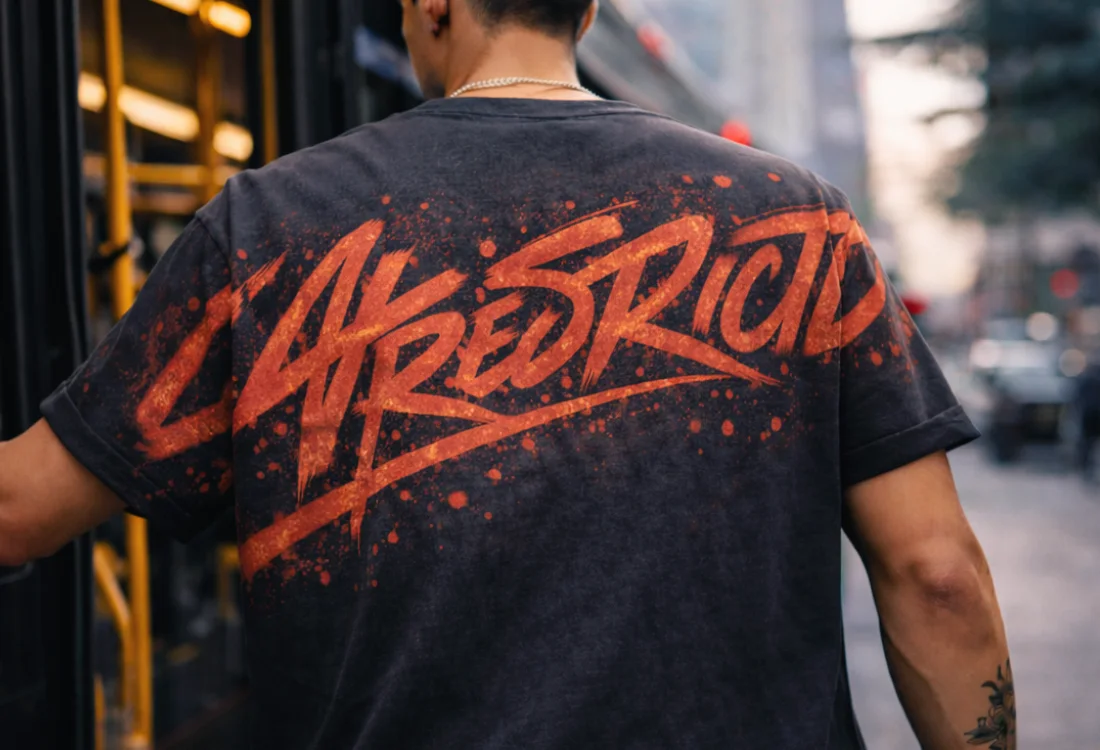
Fashion and branded merchandise no longer move in seasons. They move in moments.
Across fashion, streetwear, and corporate branding, clothing drops are changing how products are created and sold. Instead of large production runs planned months in advance, brands now release limited edition clothing in smaller, highly targeted launches designed to create urgency, exclusivity, and stronger customer connections.
What began as a streetwear strategy has evolved into a powerful business model. In 2026, scarcity isn’t a constraint; it’s a strategy.
Clothing Drops and the Rise of the Limited Edition T Shirt
A clothing drop is a retail approach where brands release products in limited quantities at specific times rather than relying on traditional seasonal collections.
Instead of producing thousands of items and hoping demand follows, brands launch:
- limited edition t shirts
- short-run collections
- campaign or event merchandise
- collaboration designs
- audience-specific releases
These drops are often time-sensitive and may sell out within minutes. Limited availability increases perceived value and creates excitement around each release. Customers follow newsletters, social media, and apps closely to secure access, turning shopping into an experience rather than a routine purchase.
Originally popularised by streetwear brands, the drop model is now used by fashion labels, startups, and businesses using merch as part of their brand strategy.
Why Brands Are Moving Away from Traditional Merch
Traditional merchandise production relied heavily on prediction: large stock orders, long lead times, and the risk of unsold inventory.
Clothing drops reverse that model.
By producing smaller runs, brands can test designs before scaling production, reducing financial risk while maintaining higher margins since items sell at full price. Many companies are replacing seasonal collections with continuous or “seasonless” releases, allowing faster responses to trends and customer behaviour.
Micro-drops, meaning smaller and more frequent launches, also help prevent overproduction by aligning stock more closely with real demand. For many brands, producing smarter has become more valuable than producing more.
Customer Data Powers Modern Clothing Drops
Behind successful clothing drops is smart use of customer data.
Brands analyse customer behaviour across websites and digital channels, including browsing history, purchase patterns, and interactions with emails or apps. This data helps businesses anticipate customer expectations and deliver more relevant experiences.
A returning visitor may see personalized content highlighting an upcoming drop, while loyal customers receive early access through a personalized email. Instead of broad messaging aimed at everyone, brands tailor communication to individual preferences and behaviours.
The result is a more engaging and effective customer journey.
Traditional Personalization vs Hyper Personalization
Personalization has evolved significantly in recent years.
Traditional personalization typically meant adding minor custom options to a standard product, for example, choosing colours or adding a name.
Hyper-personalisation goes much further. It uses data and advanced technologies to create individualized experiences based on each customer’s behaviour, preferences, and interactions.
Brands can now create:
- community-specific editions
- regional variations
- role-based merchandise
- targeted product releases
Hyper-personalisation transforms merchandising from mass communication into meaningful interaction. Customers increasingly expect brands to recognise them as individuals rather than audiences.
Machine Learning and Real-Time Data in Clothing Drops
Hyper-personalisation in clothing drops is powered by machine learning and real-time data.
Rather than guessing what customers want, brands can analyse customer behavior through browsing behaviour and purchase history, as well as engagement data to understand which designs, styles, or messages resonate most with their audience. This insight helps brands plan drops more strategically by producing the right products in the right quantities.
Machine learning allows brands to:
- identify which customers are most likely to engage with a drop
- send personalized emails or early-access notifications
- predict demand before production begins
- adjust future releases based on real customer behaviour
Instead of relying on seasonal planning alone, brands can make data-driven decisions that reduce risk and improve performance with every launch.
In a drop-based model, data doesn’t just support marketing, it helps shape what gets produced in the first place.
Limited Edition Clothing and the Power of Scarcity
Limited edition clothing works because scarcity changes perception.
When availability is restricted, items feel more valuable. Customers experience urgency and fear of missing out, often leading to faster purchasing decisions. Drops also create community dynamics, where owning a rare item signals participation in a shared cultural moment.
The model has even created a multi-billion-pound resale economy, where highly sought-after items are traded at premium prices after selling out.
Beyond hype, drops offer practical benefits for businesses:
- stronger profit margins
- faster feedback on designs
- reduced excess stock
- higher customer engagement
A limited edition t-shirt is no longer just apparel: it becomes part of brand storytelling.
Micro-Drops: Small Runs, Big Impact
Micro-drops take the concept further through highly controlled releases such as:
- 100-piece limited runs
- 72-hour online launches
- location-specific designs
- collaboration capsules
This approach allows brands to experiment quickly while keeping production flexible. Successful designs can scale, while others end without major loss.
The modern merch cycle now looks like this:
Idea → Design → Drop → Fulfilment → Data review → Next release
Speed has become a competitive advantage. Brands that can move quickly stay culturally relevant, and relevance drives sales.
Building Community Through Hyper-Personalisation
Today’s customers don’t just buy products; they participate in experiences.
Limited drops create shared moments, while loyalty programs and early access strengthen emotional connections between brand and customer. For younger audiences especially, uniqueness often matters more than ownership.
Merch expresses identity, values, and belonging, which is why drops generate strong loyalty and repeat engagement.
Thinking About Launching Your Own Clothing Drop?
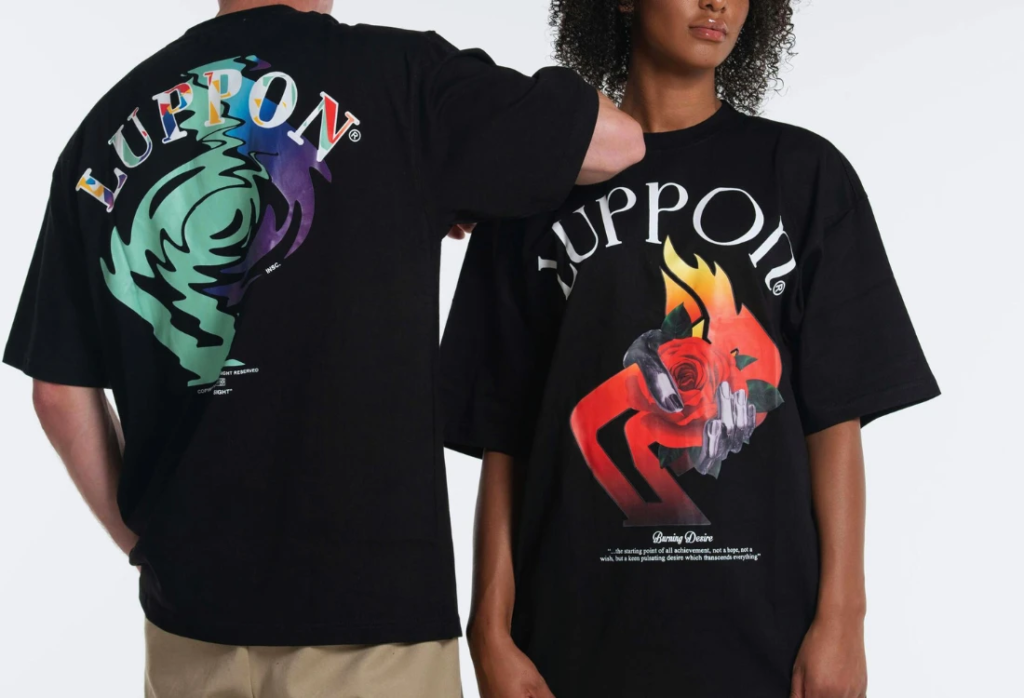
Clothing drops and hyper-personalisation are no longer limited to fashion brands.Businesses, startups, and organisations increasingly use limited edition clothing and custom branded merchandise to build community, test ideas, and strengthen brand image.
If you’re planning your own clothing drop, the right production partner makes the difference. At ICON Printing, we offer the fast turnaround times, flexible quantities, and consistent quality needed for modern release-based merch and limited edition garment projects.
Our London-based team is ready to help bring your ideas to life. Explore and order our customisable products from t shirts and hoodies to tote bags and drinkware, or get in touch to start planning your next drop.