


Choosing the Best Polo Shirt Fabric: 100% Cotton vs Polycotton fabric
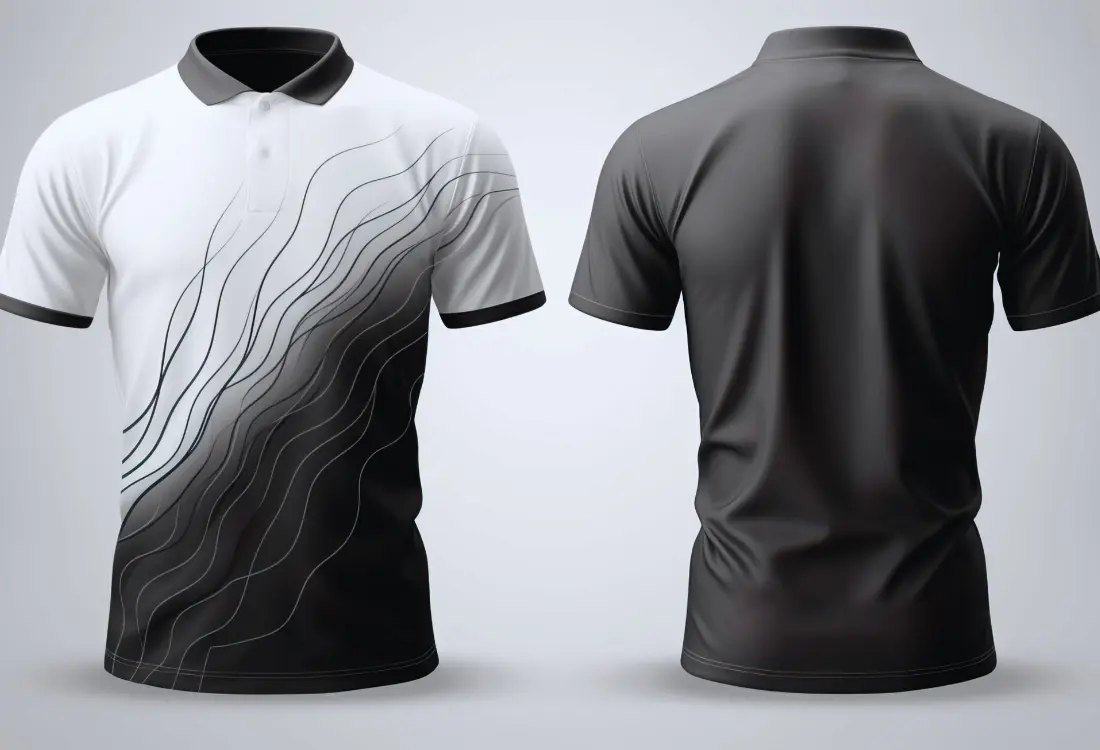
Choosing the right polo shirt isn’t just about colour or fit. The fabric you choose plays a major role in how your garment looks, feels, performs, and holds up over time. For businesses investing in custom polo shirts, that decision matters even more, especially when embroidery, regular washing, and day-to-day wear are involved.
At ICON Printing, we work with polo shirts every day. From embroidered workwear and event uniforms to branded garments designed for customer-facing teams, we see firsthand how different fabrics behave during production and after delivery. Over time, one question comes up more than almost any other: should you choose 100% cotton or polycotton?
Both options are widely used, and both have clear advantages depending on how the polo will be worn, how often it will be washed, and what kind of finish you want to achieve. Rather than treating one as “better” than the other, this guide breaks down how cotton and polycotton perform in real-world custom apparel scenarios.
By the end of this article, you’ll be able to make an informed decision based on comfort, durability, cost, and suitability for embroidery and printing, not marketing buzzwords.
Why fabric choice matters for custom polo shirts?
When a polo shirt is being customised, the fabric becomes part of the production process itself. Stitch density, weave structure, and fibre composition all affect how embroidery sits on the garment, how prints adhere, and how the polo holds its shape after repeated washing.
In our experience, this is where many buyers run into issues. A fabric that feels great on the hanger may behave very differently once stitched, worn daily by a team, or laundered at higher temperatures. Understanding the practical differences between cotton and polycotton helps avoid problems like puckering, premature wear, or garments that simply don’t age well.
That’s why fabric choice shouldn’t be an afterthought. It’s one of the most important decisions you’ll make when selecting polo shirts for branding, uniforms, or long-term use.
We understand it can be tricky deciding which polo shirt to go for when faced with our vast selection. This post outlines how the brands vary and which fabric compositions take to the various print processes the best. We normally advise against custom embroidering onto t-shirts. The is because stitches pull the fine cotton inward where the needle enters and as a result it can often pucker or distort the logo. This is why you normally only see embroidered polo shirts.
Digitally embroidered polo shirts make a great first impression for any business or company. These custom polo shirts are very comfortable to wear, the collar is instantly smarter when compared to a crew neck t-shirt. This is because of their tapered neckline that is 2 or 3 buttoned fused, and the ribbed collar and cuff detailing. Polo shirt fabric is also harder wearing and often doesn’t require much ironing – which makes them perfect for everyday wear.

What’s the difference between 100% cotton and poly cotton?
At a basic level, the difference comes down to fibre composition. While both fabrics are common in polo shirts, they behave very differently once you factor in wear, washing, and customisation.
100% cotton or pure cotton polo shirts
100% cotton polos are made entirely from natural cotton fibres. These fibres are soft, breathable, and comfortable against the skin, which is why pure cotton has long been associated with premium everyday clothing.
From a wearer’s perspective, cotton polos feel lighter and cooler, especially in warmer conditions or indoor environments. The fabric absorbs moisture well, making it comfortable during long shifts or extended wear. This softness also makes 100% cotton a popular choice for customer-facing roles where comfort matters just as much as appearance.
However, cotton does come with trade-offs. Natural fibres are more prone to shrinking and creasing, and cotton polos may require more careful washing to maintain their shape. Over time, especially with frequent laundering, they can lose some structure compared to blended fabrics.
From a production point of view, cotton polos work best when embroidery is kept clean and considered. The fabric is softer than blends, which means dense or highly detailed stitching can sometimes cause puckering if not handled correctly.
Polycotton polo shirts
Polycotton is a blend of cotton and polyester fibres, combining natural softness with added strength from synthetic materials. The polyester content gives the fabric more structure, making it more resistant to creasing, shrinking, and general wear.
In practice, polycotton polos are often chosen for workwear, uniforms, and roles where garments are washed frequently. They hold their shape better over time and tend to dry faster, making them a practical option for businesses that need consistency across an entire team.
Polycotton fabrics are also generally more cost-effective to produce, which can make them a sensible choice for larger orders. The tighter weave and added durability mean they handle embroidery well, particularly for logos that need to stay crisp after repeated use.
The main compromise is breathability. Because polyester fibres do not absorb moisture in the same way as cotton, polycotton polos can feel slightly warmer, especially in hot environments.
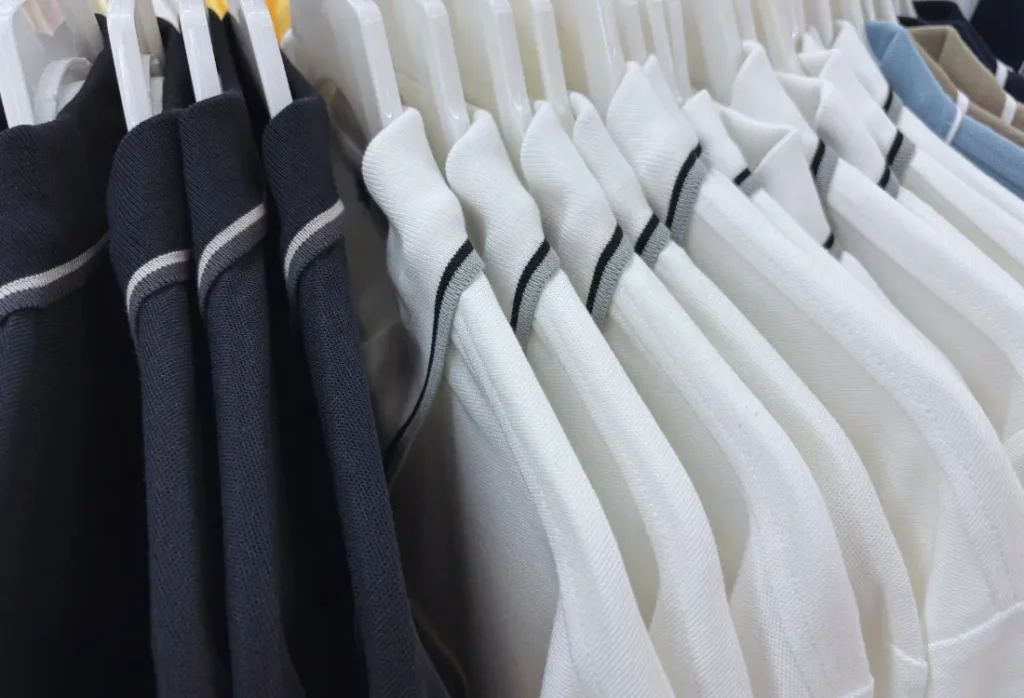
A quick summary so far
If comfort and breathability are your top priorities, 100% cotton is usually the better option.
If durability, ease of care, and long-term consistency matter more, polycotton often makes more sense.
Next, we can go deeper into how each fabric performs specifically for embroidery, printing, and long-term branding, or move into cost and value comparisons depending on what you want to tackle next.
Printing and embroidery options: what actually works best?
When choosing between 100% cotton and polycotton polo shirts, it’s important to think beyond feel and appearance. How the fabric behaves during branding is often the deciding factor.
Embroidery on cotton and polycotton
Embroidery remains the most popular and reliable branding method for polo shirts.
For businesses that need long-lasting branded uniforms, embroidery on polycotton polos tends to deliver the most consistent results across large orders.
Printing on polo shirts
Printing onto polo shirts is possible, but it comes with limitations.
Because of these factors, embroidery is usually the recommended method for polos, while printing is more commonly reserved for t shirts.
Cost and long-term value
Cost is often a deciding factor, especially for larger teams or repeat orders.
For businesses ordering uniforms for an entire team, polycotton often offers better long-term value. For smaller runs or customer-facing roles where comfort is the priority, cotton can be a worthwhile investment.

ICON Printing’s recommendations
At ICON Printing, we don’t believe there’s a single “best” option — it depends entirely on how the garment will be used.
When it comes to branding, we typically recommend embroidery for polo shirts, regardless of fabric choice, as it delivers the most professional and long-lasting result.
Polyester and cotton takes – Frequently asked questions
Is polycotton better than cotton for workwear?
In most cases, yes. Polycotton is more durable, wrinkle-resistant, and easier to maintain, making it ideal for uniforms and frequent washing.
Are 100% cotton polo shirts better for sensitive skin?
Yes. Cotton is a natural fibre and is generally softer and more breathable, which can make it more comfortable for people with sensitive skin.
Can you print on polycotton polo shirts?
You can, but results vary. Printing tends to work better on smooth, 100% cotton fabrics. For polos, embroidery is usually the better option.
Which fabric lasts longer?
Polycotton blends typically withstands heavy use. It resists shrinking, creasing, and wear better than pure cotton over time.
Not sure which fabric is right for your polos?
We’ll help you match cotton or polycotton with the best printing or embroidery option. That way, you get a result that works for your brand and your budget. Get a quote!