


Athleisure in 2026: How Activewear Became Everyday Wear
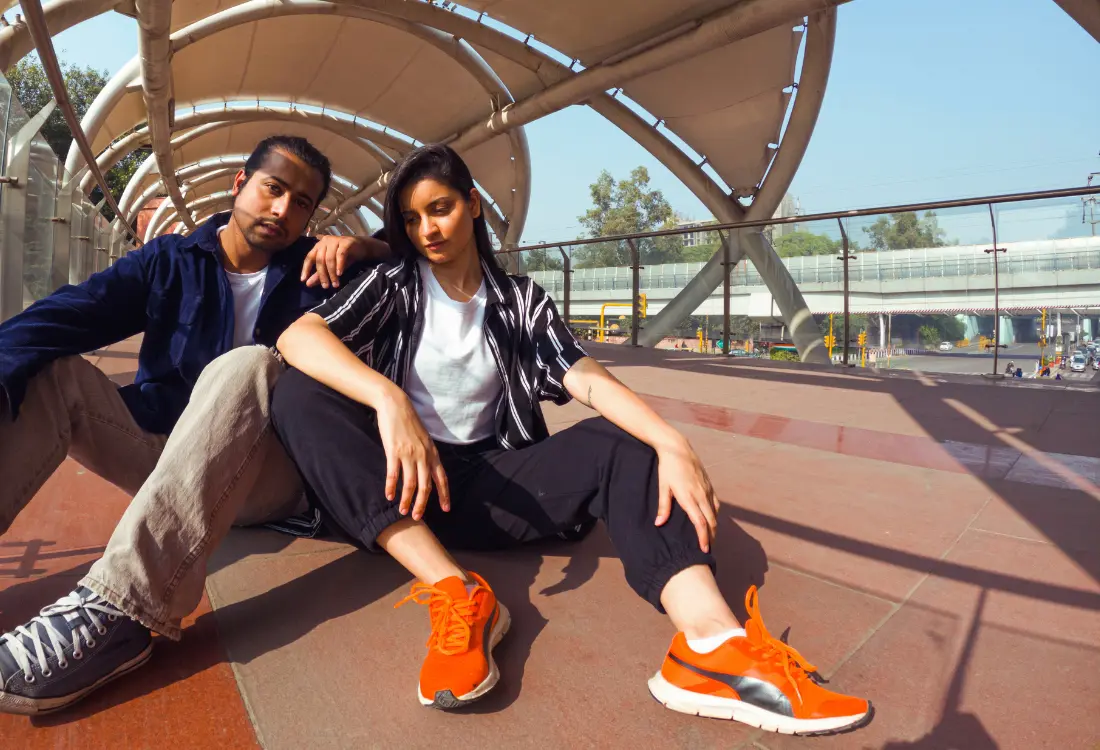
Athleisure has officially escaped the gym.
What started as clothing designed for exercise has become part of everyday fashion. Leggings go to brunch, trainers to the office and hoodies under tailored coats. Somewhere along the way, wearing workout gear without actually working out became completely normal.
In simple terms, athleisure blends athletic clothing with everyday fashion, combining the comfort and performance of activewear with clothes made for life beyond the gym. So, how did athleisure wear become so dominant, what does it look like in 2026, and which brands are shaping the trend?
What Is Athleisure Apparel and Why Did It Become So Popular?
The term athleisure emerged in the late 1990s, but the ingredients had been coming together for decades. Spandex was invented in 1958 as an alternative to rubber in fabrics, while improvements in technical fabrics gradually made athletic clothing lighter, stretchier, more durable and considerably more comfortable.
Then fitness stopped being something people only did and became something people wanted to be seen doing.
A growing focus on health and wellness helped turn activewear into a lifestyle product. Celebrities and influencers accelerated the shift, while brands became increasingly good at selling the lifestyle around the clothing. Lululemon’s modern yoga pants, introduced in 1998, are perhaps the most obvious example. Leggings were no longer just workout gear. They became fashion.
By 2018, the global athleisure market was valued at around US$155 billion. The pandemic gave the category another considerable push as formal wardrobes temporarily lost their purpose and comfort took priority. Now, forecasts suggest the market could exceed US$842 billion by 2028.
That’s quite a journey for the humble pair of yoga pants.
Athleisure Wear Changed What We Expect From Clothing
The real appeal of athleisure clothing isn’t any individual garment. It’s versatility.
People increasingly want fewer boundaries between different parts of their day. A great pair of joggers can work for travelling, grabbing coffee and heading to the gym. A lightweight technical jacket can sit over workout clothes or become part of a casual everyday outfit. A sweatshirt can be athletic, streetwear-inspired, premium or all three.
Modern materials have helped make that possible. Technical fabrics can offer sweat-wicking properties, breathability, stretch and odour reduction while remaining comfortable enough for everyday wear.
That influence has reached the workplace too. As offices have become more casual, traditional corporate wear has increasingly made room for premium T-shirts, quarter-zips, sweatshirts, trainers and other relaxed pieces. For businesses, it changes the possibilities for branded clothing as well. A well-made embroidered sweatshirt or heavyweight branded tee can feel much more relevant to a modern team than another polo shirt destined for the back of a wardrobe. If you’re interested in how wider fashion trends are changing branded clothing at work, read our blog “Streetwear T Shirt Trends in 2026: How Streetwear Is Shaping Corporate Merch”.
And unlike traditional sportswear, athleisure doesn’t necessarily need a sporting purpose at all. Athletic wear is designed around activity and performance; athleisure borrows those qualities and brings them into everyday fashion.
That distinction is why athleisure now competes not only within the sportswear market, but with jeans, casual clothing and traditional workwear.

Athleisure Attire Is More Than Leggings and a Hoodie
So what does modern athleisure attire actually look like?
The easiest answer is: more considered than it used to.
The classic ingredients are still here: leggings, joggers, sweatshirts, hoodies, sports bras, vests, technical jackets and simple trainers. But the styling around them has evolved. Silhouettes can be oversized or structured, colours more considered and technical garments increasingly sit alongside pieces that would once have belonged to a completely different wardrobe.
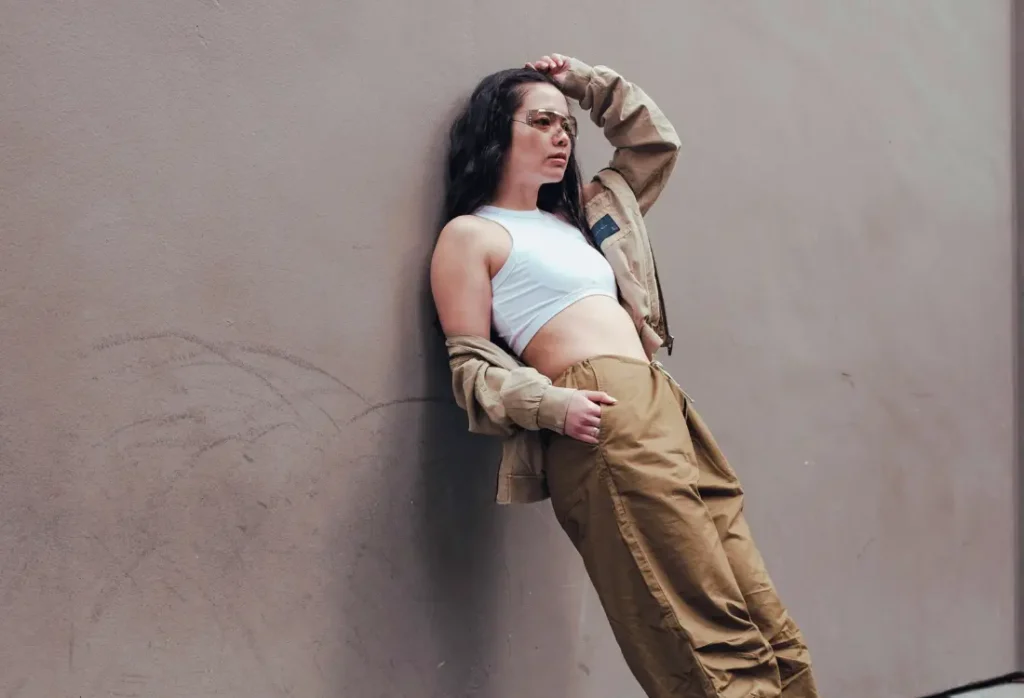
A sports bra under an oversized shirt. Leggings paired with a structured jacket. Joggers with a heavyweight tee and smart outerwear. The point is no longer to look as though you’re heading to the gym. It’s to borrow the comfort and functionality of gym clothing without necessarily looking like you’re dressed for a workout. Thinking about adding outerwear to your own collection? Check out “Custom Jackets: Everything You Need to Know About Jacket Design” for more inspiration.
In the US, head-to-toe activewear can get you surprisingly far. Try bringing exactly the same outfit to a European summer and you may suddenly look less aperitivo in Milan, more 7am Pilates class. Athleisure travels, but styling still matters.
From Yoga Pants to Sports Bras: What Makes Good Athleisure?
Despite the huge range of athleisure outfits available today, successful pieces tend to share three things: comfort, versatility and a strong silhouette.
A classic T-shirt or vest makes an easy base layer. Hoodies and sweatshirts need enough structure to work outside the gym. Leggings should offer a great fit without becoming uncomfortable after hours of wear, while joggers benefit from considered proportions and a clean finish at the ankle.
And then there is quality.
If a garment is expected to survive commuting, travelling, working, exercising and a rest day on the sofa, materials and construction matter. Durability, breathability, stretch, weight and finish all contribute to whether something feels like genuine premium apparel or simply workout clothing being worn somewhere else.
There is also a growing sustainability question. Some performance materials and treatments used for properties such as water resistance can involve potentially harmful chemicals, making material choices increasingly important as the market grows.
Why the Athleisure Trend Matters for Custom Apparel
For brands creating custom clothing, athleisure offers a useful lesson: the best branded apparel fits naturally into people’s lives.
Nobody needs another promotional T-shirt that gets worn once and forgotten. People have become accustomed to clothing that feels good, looks considered and works across different parts of their day. The same expectations increasingly apply to branded apparel and corporate wear. To see what else is shaping custom clothing right now, head over to our blog “Top Branded Merchandise Trends: What’s Hot in London and Beyond”.
That might mean a heavyweight oversized T-shirt instead of a basic promotional tee, an embroidered sweatshirt employees actually choose to wear outside work, or a lightweight layer that feels closer to a retail product than traditional company uniform.
At ICON Printing, that’s exactly where we think custom clothing gets interesting. With screen printing, DTG, DTF, embroidery and garment finishing, brands can take the thinking behind modern athleisure and create apparel that feels genuinely wearable rather than simply branded.
Because whether you’re creating an activewear collection, updating your team’s clothing or developing merchandise for your brand, putting your logo on a garment is the easy part.
Creating something people actually want to wear is what makes it work.
Have an idea for your next collection? Get in touch with ICON Printing at sales@iconprinting.com and let’s turn it into custom clothing worth keeping.
Frequently Asked Questions About Athleisure
What is athleisure clothing?
Athleisure clothing combines elements of athletic and leisure wear. It typically uses the comfort, functionality or technical materials associated with sportswear while being designed to work as everyday clothing. Common examples include leggings, joggers, hoodies, technical jackets and trainers.
What is the difference between athleisure and activewear?
Activewear is primarily designed for physical activity, with performance characteristics suited to sports or exercise. Athleisure can have many of the same characteristics but is designed to transition into casual everyday wear. In other words, you can exercise in both, but nobody expects you to actually exercise in your athleisure.
Is athleisure still in style in 2026?
Yes, although athleisure has evolved beyond the matching leggings-and-sports-bra look often associated with the trend. In 2026, athleisure is increasingly integrated into everyday fashion through technical fabrics, relaxed silhouettes, premium basics, versatile outerwear and combinations of athletic and more structured pieces.
How can you dress up athleisure wear?
Start with a simple athletic base and add one more structured element. Leggings can be paired with an oversized shirt or jacket, joggers with a heavyweight tee and smart outerwear, or trainers with otherwise more polished clothing. Keep colours and proportions considered. The aim is less just finished a workout, more might work out later, but probably booked lunch instead.