


8 Hoodie Brands That Mastered the Branded Hoodie
What makes the best hoodie brands stand out? It usually isn’t just a logo. The hoodie itself has to be good enough to wear on repeat, while the design, placement and branding turn it into something recognisable.
From Champion and Palace to Supreme and Thrasher, some of the world’s most recognisable hoodie brands have shown how a simple sweatshirt can become part of a much bigger identity. And there is plenty that businesses, fashion labels and creators can take from them when designing their own custom hoodies.
Below, we’ve picked eight of our favourite examples from sportswear, fashion and streetwear. We’ll also look at what makes a great branded hoodie, the different styles and fabrics available, and how printing and embroidery can turn a blank garment into something people actually want to wear.
The Best Hoodie Brands Know It’s More Than a Logo
The hoodie has come a long way from its sportswear origins. Champion is widely credited with developing the hooded sweatshirt in the 1930s, creating a practical layer designed to keep athletes and workers warm. Over the decades, it was adopted by skate culture, hip-hop and other subcultures before becoming a fashion staple.
Today, you’ll find everything from classic hoodies with drawstrings and a kangaroo pocket to zip hoodies, heavyweight hoodies, oversized fits and premium pieces made from organic cotton or recycled polyester. That versatility is exactly what makes the hoodie such a strong canvas for branding. A small embroidered chest logo can feel premium and understated. A large printed back can turn the same basic garment into a statement piece.
Here are eight brands that show just how much you can do with one hoodie.
1. Champion: The Classic Hoodie
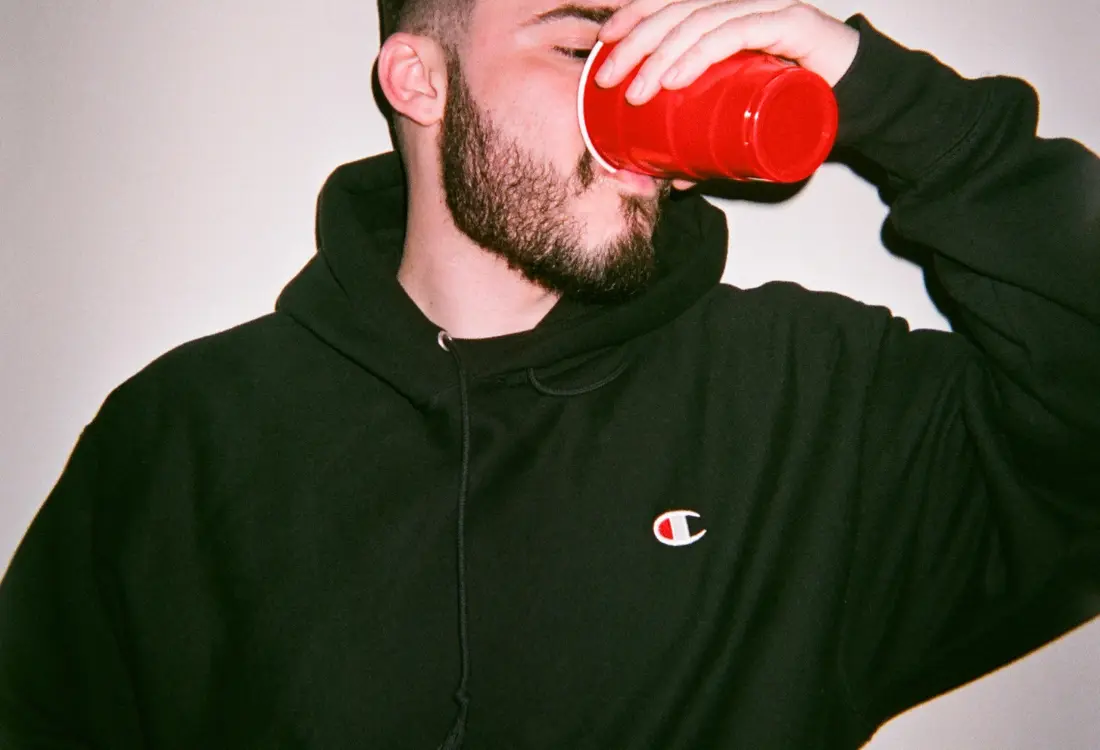
It’s difficult to talk about hoodie history without starting with Champion. The American sportswear brand helped pioneer the hooded sweatshirt in the early 20th century and remains closely associated with it today. Its patented Reverse Weave construction was developed to help reduce shrinkage, contributing to the durability that made Champion sweatshirts popular with athletes.
The calligraphic Champion logo also shows the power of consistency. Whether it appears small on the chest or sleeve, it is instantly recognisable without taking over the garment. It’s a useful lesson for any custom hoodie design: sometimes the garment, quality and a well-positioned logo are enough.
2. DHL: When Branded Hoodies Become Fashion
One of fashion’s most unexpected collaborations came when Vetements adopted the instantly recognisable DHL branding.
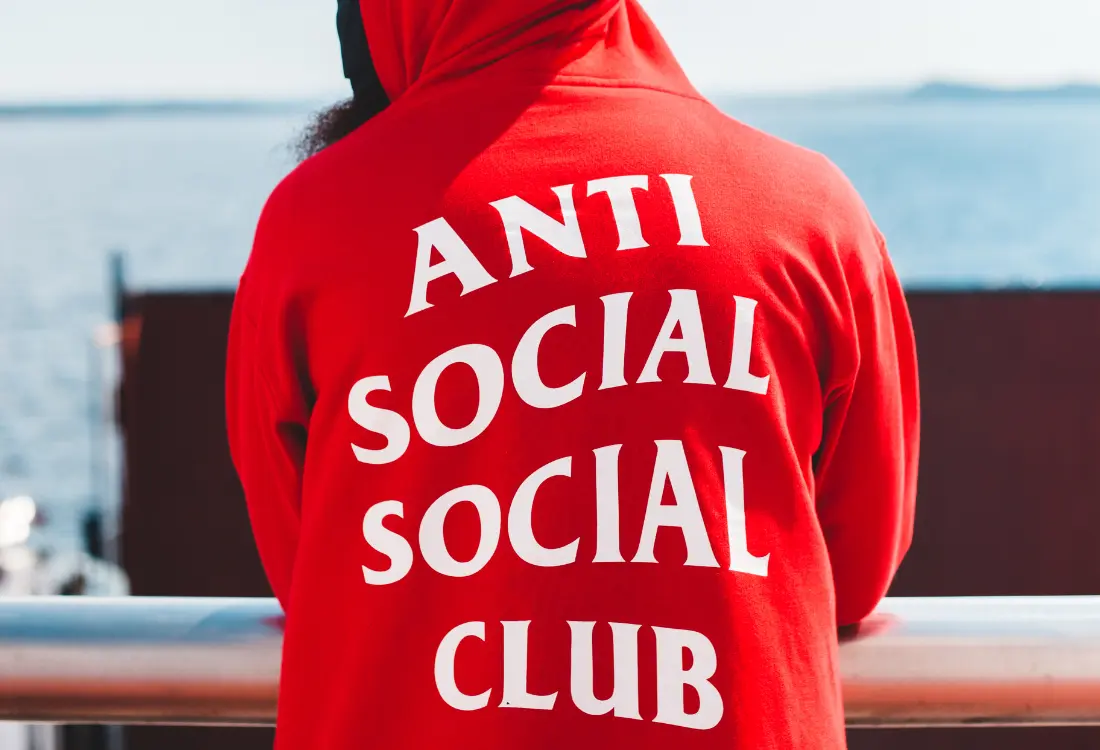
The partnership helped turn familiar workwear imagery into luxury fashion. Anti Social Social Club later produced a yellow hoodie featuring the red DHL logo, leaning even further into an identity normally associated with delivery vans and shipping boxes.
Whether you loved it or hated it, the design demonstrated something important: branded hoodies don’t always need elaborate artwork. Familiar colours, typography and a strong identity can be just as powerful.
3. Palace: What Streetwear Hoodie Brands Do Differently
Palace grew out of London’s skate culture and became one of Britain’s most recognisable streetwear hoodie brands.
Its Tri-Ferg logo is a perfect example of a graphic that works naturally across different garments. It can sit relatively small on the front of a hoodie or become a much larger back print without losing its identity.
Palace also understands scarcity. Limited releases have helped turn individual garments into objects people actively seek out rather than simply another piece of branded clothing.
For businesses creating merchandise, that’s an interesting distinction: the goal doesn’t have to be putting your logo on as many hoodies as possible. A smaller, considered collection can make the product feel much more desirable. For more information on limited releases, check out our blog “Micro-Drops & Hyper-Personalisation: Why Clothing Drops Are Reshaping Merch in 2026” that explains the strategy found within scarcity.
4. The Steam Room: Custom Hoodies for an Independent Brand
You don’t have to be an international fashion label to create memorable merchandise. The Steam Room, an East London dry cleaner specialising in garment care and raw denim, worked with ICON to produce a range of merch featuring its distinctive hand-drawn face logo.
It’s a great example of a smaller business using custom hoodies and sweatshirts as an extension of its identity. The artwork feels connected to the personality of the business rather than simply being added for the sake of branding. That’s something worth remembering when developing your own hoodie: the strongest merchandise usually feels like something your brand would genuinely create and your customers would actually use.
5. Supreme: The Power of a Simple Branded Hoodie
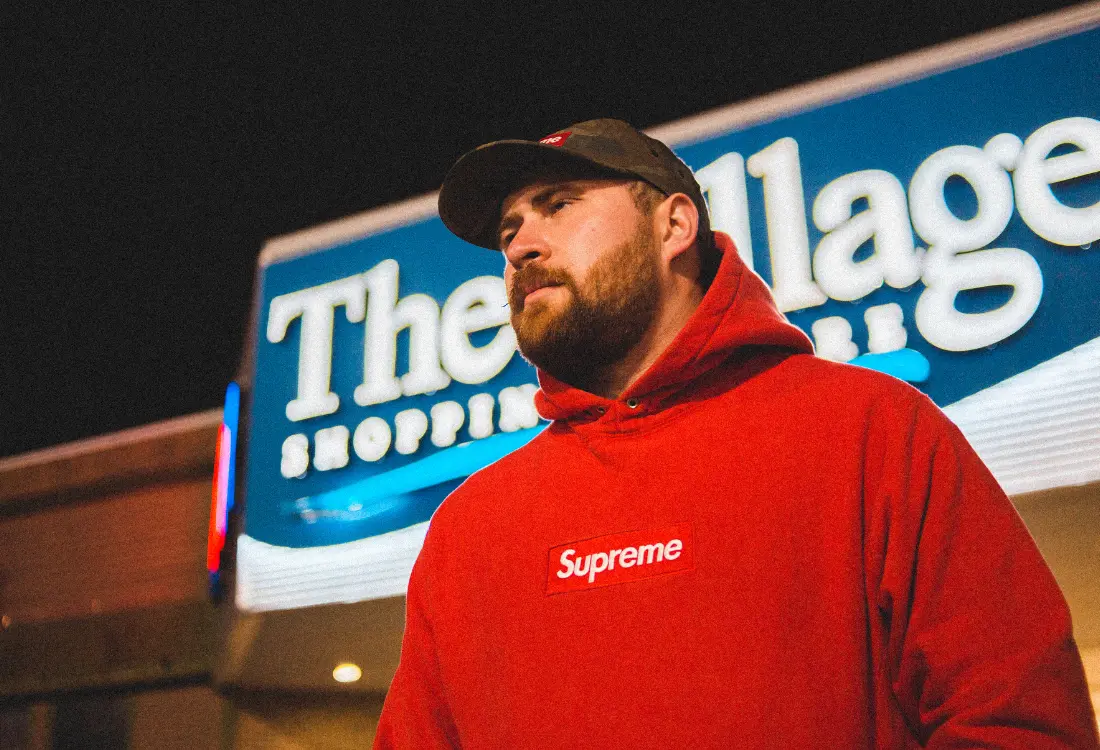
Supreme’s red and white box logo is one of streetwear’s most recognisable pieces of branding. Since opening in New York in 1994, the skate brand has put it across boards, t-shirts, accessories and, of course, hoodies. The design itself is incredibly simple, but decades of consistent use have turned the Box Logo Hoodie into one of Supreme’s defining products.
It’s proof that a successful printed hoodie doesn’t necessarily require a complex illustration. A bold logo, strong contrast and consistent placement can be enough to make the garment instantly identifiable.
6. Gap: Keeping the Hoodie Simple
Gap took a different route to many streetwear brands. Its classic logo hoodies became synonymous with relaxed 1990s and early-2000s casualwear, usually combining a simple pullover silhouette with large collegiate-style branding across the chest. There is little visual complexity, and that’s exactly why they work.
For brands creating personalised hoodies, Gap is a reminder not to over-design. If the garment has a comfortable fit, good-quality materials and strong branding, a straightforward chest design can have plenty of impact.
7. NASA: When the Logo Is the Design
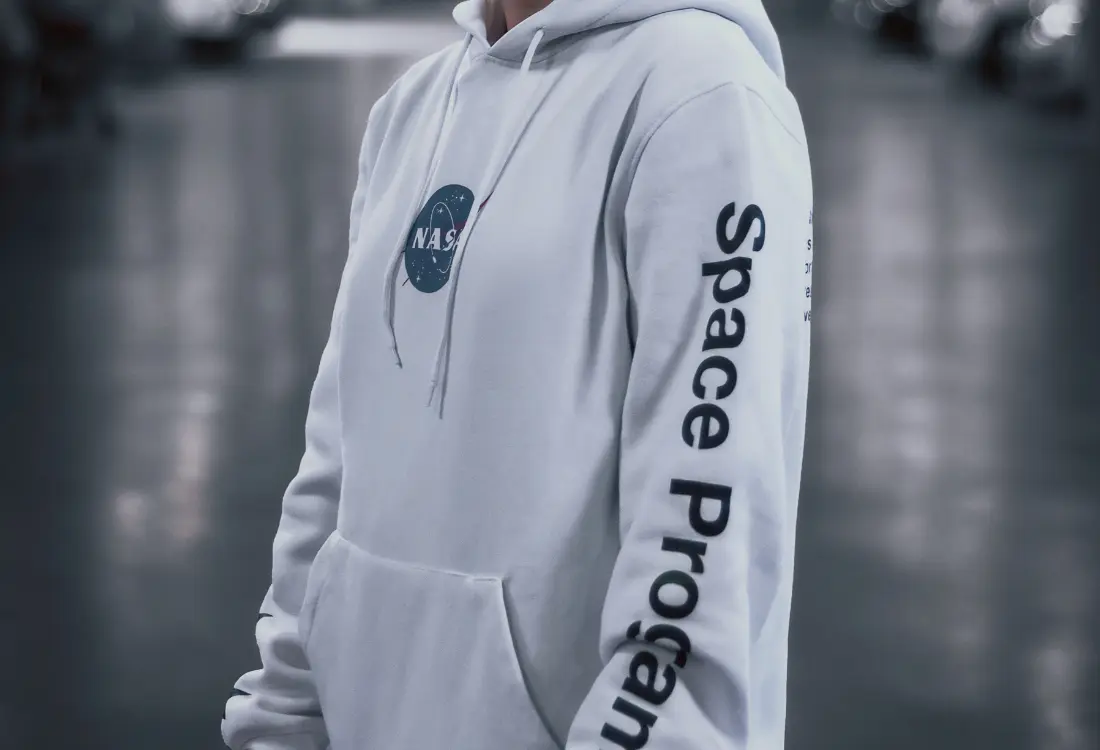
NASA isn’t technically a fashion brand, but its visual identity has become a familiar presence across clothing and streetwear. Its logos work particularly well on hoodies because they’re already bold, graphic and recognisable. There is no need for additional decoration to explain the design.
The broader lesson is useful for businesses too. If your logo or artwork is already strong, give it room to work. Adding more elements doesn’t automatically create a better custom hoodie.
Sometimes one great graphic is enough.
8. Thrasher: Skate Culture in Hoodie Form
Few magazine logos have crossed into fashion as successfully as Thrasher’s. Its flame logo became particularly visible beyond skateboarding during the 2010s, appearing on hoodies worn far outside the original skate community.
But its strength comes from the fact that the identity existed long before it became a mainstream fashion reference. The hoodie represented a culture and community rather than simply a trend. That’s perhaps the biggest lesson from the best hoodie brands on this list: people connect with what the garment represents as much as the design printed onto it.
What Makes the Best Branded Hoodies Stand Out?
Looking across these brands, there isn’t one formula for a great hoodie. But there are a few things the strongest designs tend to get right.
Start with the garment. Premium fabrics, fit and weight affect how a hoodie looks and feels before anything is printed onto it. Heavyweight hoodies, typically above 300 GSM, can offer greater warmth and a more substantial feel, while lighter garments may suit layering or warmer conditions.
Think about fabric. Cotton and cotton-blend hoodies remain popular choices, while brands looking for alternatives can explore garments made from organic cotton or recycled polyester.
Keep the design intentional. The front, back and sleeves all provide different opportunities. A small chest logo can feel polished, while bold back artwork can transform the hoodie into the focal point of an outfit.
Most importantly, make something that fits the brand. The Palace approach isn’t right for every company, just as Supreme’s box logo wouldn’t work for everyone. The design should feel like your own.
Custom Hoodie Design: Print or Embroidery?
Once you have a garment and artwork, the next question is how to apply the design.
Screen printing is a strong choice for bold graphics and can be particularly cost-effective for larger quantities. It’s a classic option for logos, text and artwork using solid colours.
Direct to garment (DTG) printing works well for detailed, full-colour artwork, particularly on suitable cotton garments. It allows more intricate hoodie designs and colour gradients without requiring a separate screen for each colour.
DTF printing is another versatile option and works across cotton and polyester garments, making it useful when a collection includes different fabrics.
For a different finish, embroidered hoodies use stitched thread rather than ink. Embroidery works particularly well for smaller logos and designs where you want a more textured, premium look. An embroidered logo is also highly durable and won’t crack in the same way that some printed finishes can over time.
If you’re unsure which approach suits your artwork, our guide to custom clothing printing “Top Techniques for High Quality Custom Apparel: Screen Printing, Embroidery, and More” covers the different techniques available and where each works best.
Choosing Custom Hoodies for Your Brand
Before creating personalised hoodies, think about where and how people will actually wear them.
A heavyweight pullover can make a great hero product for a streetwear collection, while a lighter cotton blend may be better suited to staff clothing or events. Zip hoodies offer another practical option when easy layering matters.
You should also consider the audience. Fit, colours, sizes and garment style all affect whether someone will genuinely reach for the hoodie after receiving it.
Sustainability may influence the decision too. There are now hoodies made from organic cotton, recycled polyester and other lower-impact materials, giving brands a broader range of options when building a collection.
If you’re creating more than hoodies, the same decisions apply across your wider merchandise range. ICON provides garment printing UK -wide, helping brands and businesses create custom clothing across different garment types and decoration techniques.
Creating Your Own Personalised Hoodies with ICON
A great hoodie starts long before the print goes onto the fabric.
At ICON, we help businesses, creators and brands choose garments and decoration techniques that suit their artwork, quantity and intended use. Your artwork is reviewed for print-readiness before production, and every order receives a visual PDF proof for approval before anything goes to print, so that everything looks exactly as you want it to.
The goal isn’t simply to put your logo on a hoodie. It’s to create a hoodie that feels good enough to become someone’s favourite one. Browse our comfortable and high-quality hoodies and find your favorite. Get a Quote Online in less than two minutes or contact us at sales@iconprinting.com for more information. We’re always happy to chat about your upcoming projects and offer our expertise.
FAQs About Hoodie Brands and Custom Hoodies
What are the best hoodies or hoodie brands?
The best choice ultimately depends on what you value, from heavyweight construction and sportswear heritage to streetwear design and fit. Some of the best-known hoodie brands include Champion, Supreme, Palace and Gap, each with a different approach to design.
Which brand is famous for hoodies?
Champion is particularly significant in hoodie history, having helped pioneer the hooded sweatshirt in the 1930s. Brands including Supreme, Palace and Gap have since developed their own highly recognisable hoodie designs.
What are some popular streetwear hoodie brands?
Supreme, Palace and Thrasher are among the most recognisable names associated with streetwear hoodies and skate culture. Other major fashion and workwear brands have also helped shape modern hoodie design through collaborations and streetwear crossover.
Is printing or embroidery better for custom hoodies?
It depends on the design. Screen printing works particularly well for bold graphics and larger orders, while DTG is suited to detailed, colourful artwork. Embroidery creates a textured, premium finish and is especially effective for smaller logos. The garment, artwork, quantity and desired finish should determine the method.