


How to Print T-Shirts: The Professional T-Shirt Printing Process Explained
Our guide to the basics
Designing and printing your own t shirt has never been more popular. From global fashion houses to local gyms, food trucks, breweries, and online stores, custom t shirt printing is one of the most effective ways to build a brand, create revenue, and express identity.
If you’re wondering how to print t shirts professionally, the process involves much more than simply applying a design to a blank garment. From choosing the right shirt and preparing the artwork to selecting a printing method, setting up production, curing the print and carrying out quality checks, every stage affects the finished result. The exact t shirt printing process depends on your design, fabric, quantity and intended use. A small run of detailed artwork may require a completely different setup from hundreds of cotton t shirts printed with a simple logo.
This guide explains how t shirts are printed by professional garment printers, what happens before an order reaches production, and the decisions that help create consistent, high quality prints. It is designed for brands, businesses, creators and anyone planning a professional custom t shirt order.
How Are T-Shirts Printed Professionally?
Professional t shirt printing typically follows seven key stages:
- Choose the right garment.
- Prepare and check the artwork.
- Select the most suitable printing method.
- Create and approve a visual proof.
- Prepare the garment and production setup.
- Print and cure the design.
- Inspect the finished garments before dispatch.
The details vary between screen printing, direct to garment printing, direct to film and other printing techniques, but good preparation is essential regardless of which method is used.
Step 1: Choose the Right T-Shirt for Printing
The first step in printing custom t shirts is choosing a garment that suits both the design and the way it will be worn.
Cotton T-Shirts
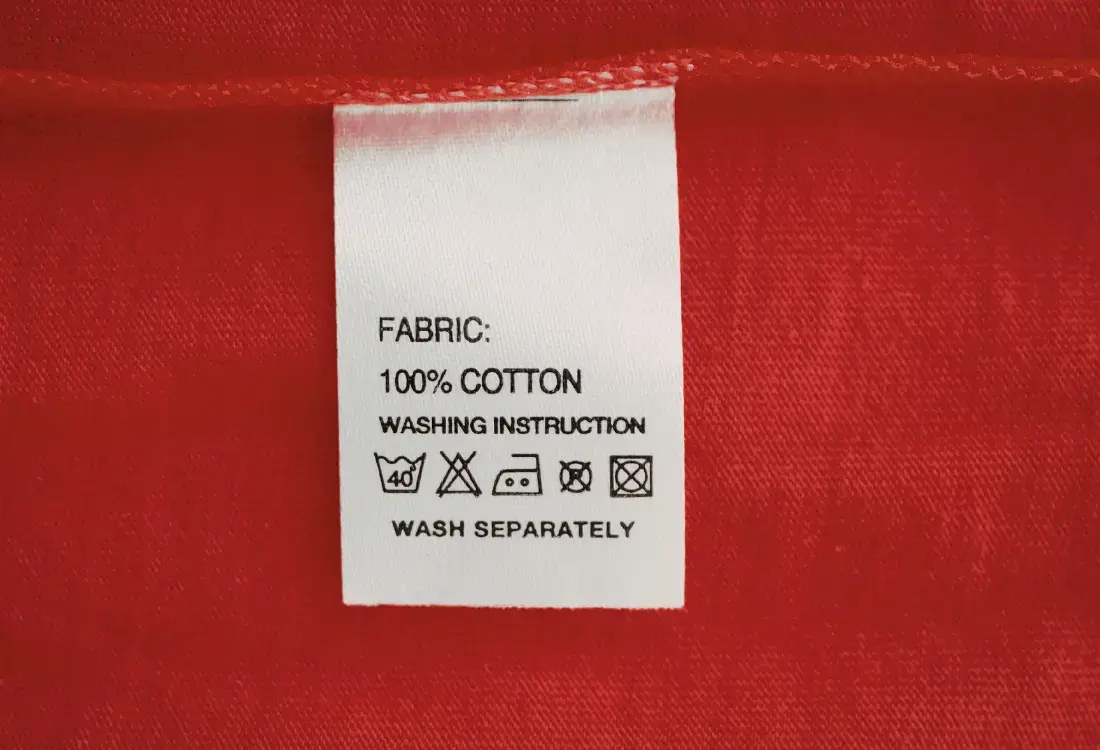
Cotton t shirts are one of the most versatile choices for garment printing. Natural fibres take many inks particularly well, and 100% cotton shirts are especially suitable for direct to garment printing, where water-based ink is sprayed directly onto pretreated fabric.
Cotton also offers a soft, comfortable finish, making it popular for merchandise, company clothing and fashion collections.
Cotton Blends
Cotton-polyester blends can combine the comfort of cotton with added durability and shape retention. However, the fibre composition should always be considered when choosing a printing method.
Polyester and Synthetic Fabrics
Synthetic fabrics are widely used for sportswear and performance clothing. Certain printing techniques, such as dye sublimation printing, work particularly well with polyester fibres. For the strongest sublimation results, garments generally need a very high polyester content.
Garment colour matters too. Light shirts and dark shirts may require different inks, pretreatment or production settings to achieve consistent results.
This is why professional printers usually consider the garment and printing method together, rather than choosing one without thinking about the other.
If you are pondering between fabrics and want to make an informed decision, head over to our blog “Choosing the Best Polo Shirt Fabric: 100% Cotton vs Polycotton fabric“, for more detailed information on their differing qualities. While we discuss polo shirts in the blog, the same qualities apply to different types of garments, as well.
Step 2: Prepare Your T-Shirt Design for Printing
Good print quality starts with good artwork.
Before anything reaches production, the artwork needs to be checked at its intended physical size. Enlarging a small, low-resolution image later can result in blurred edges and poor detail.
For raster artwork, a high quality image at at least 300 DPI at the intended print size is generally recommended. Vector artwork is particularly useful for logos, typography and solid colours because it can be resized without losing quality.
The exact file requirements depend on the printing technique. For example:
- Vector artwork is commonly used for screen printing.
- High-resolution raster files work well for detailed DTG printing.
- Transparent backgrounds are often needed for digital artwork.
- Colours may need to be checked depending on the production process.
One detail people often overlook is placement. A design can look completely different depending on whether it sits high on the chest, centrally across the garment, across the back or on a sleeve.
At ICON, artwork is checked before production begins and any issues with resolution, format or colour are flagged rather than simply sending an unsuitable file to print. For more guidance on creating artwork, our “Photoshop vs Illustrator: Which Is Better for T-Shirt Design?” guide explains when raster and vector design software work best.
Step 3: Choose the Right T-Shirt Printing Method
There are several different ways to print on t shirts, and the best option depends on the artwork, fabric, quantity, budget and desired finish.
For example:
- Screen printing is particularly effective for larger orders and bold designs.
- Direct to garment (DTG) printing works well for smaller quantities and intricate designs with multiple colours or photographic detail.
- Direct to film (DTF) printing provides flexibility across a wide variety of garments and fabrics.
Rather than repeating every technique here, we’ve covered the options in more detail in our guide “Top Techniques for High Quality Custom Apparel“.
The important point is that there is no single best t shirt printing method for every job. A professional should recommend the right technique based on the project rather than trying to force every design through the same production route.
Step 4: Check and Approve the Visual Proof
This is one of the most important parts of the professional t shirt printing process, and one that customers may not always see. Before production begins, a proof should confirm details such as:
- artwork placement
- approximate print size
- garment style and colour
- design orientation
- other relevant production details
At ICON, every order receives a visual PDF proof before going into production. Nothing is printed until the artwork has been approved. This gives both the printer and client an opportunity to catch problems before they reach the production floor.
Step 5: Prepare the Garment and Production Setup
Once the artwork has been approved, the physical production setup begins. The exact process depends on the chosen printing method.
For example, with screen printing, individual screens are prepared for the required colours and carefully registered so each layer aligns correctly. In direct to garment printing, on the other hand, the garment may need to be pretreated before being loaded flat into the printer. DTG uses water-based inks that are sprayed directly onto the fabric, so correct pretreatment is particularly important on dark coloured shirts.
Professional production also involves checking positioning and settings before the full run begins. Small differences in garment construction, fabric or print placement can affect the result, which is why this setup stage matters.
Step 6: Print and Cure the Design
Now the design is ready to be applied.
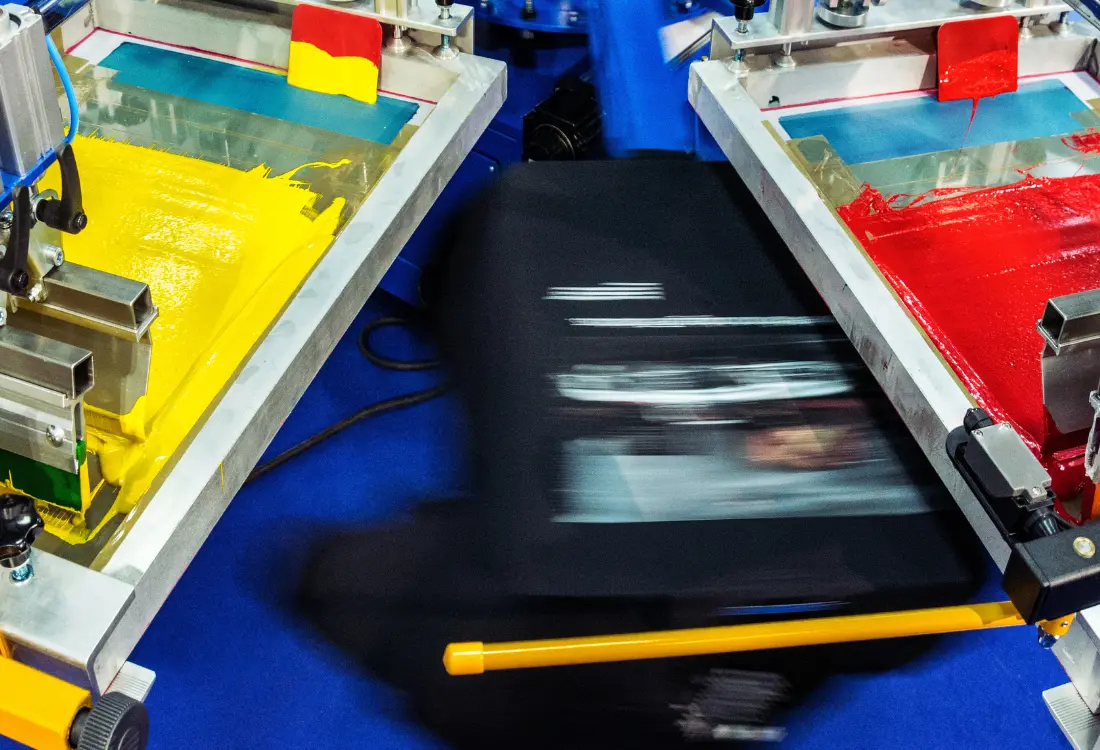
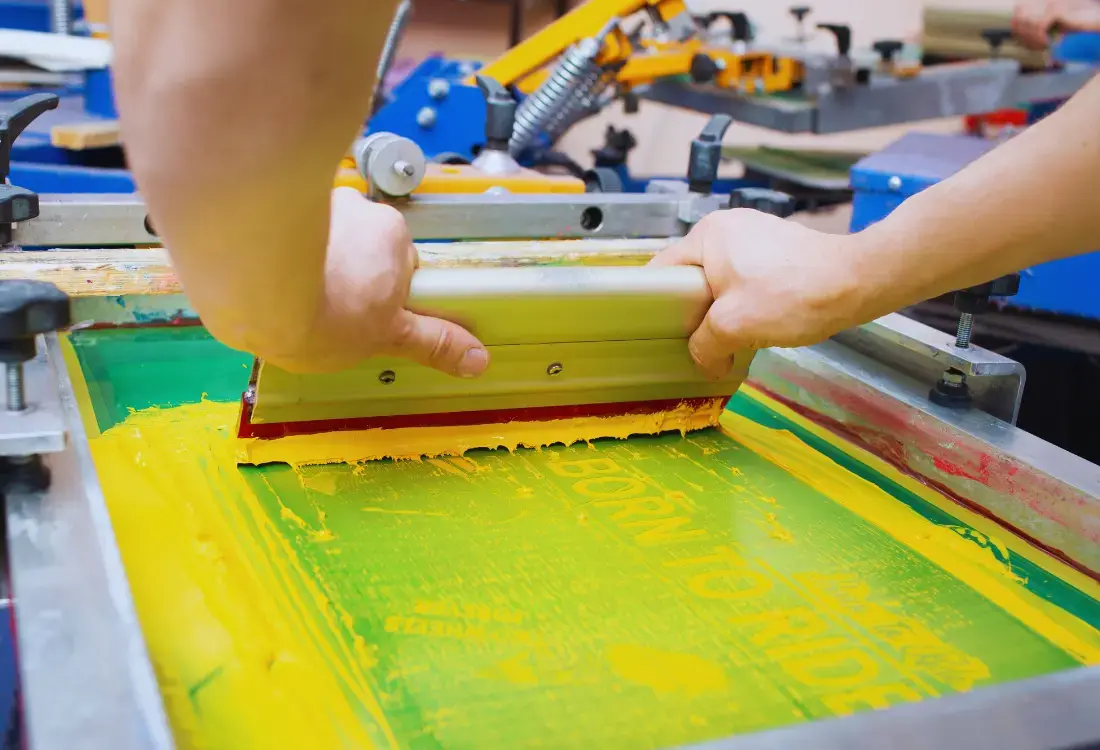
During screen printing, ink is pushed through a mesh screen onto the fabric. Multiple colours may require individual screens and separate passes. DTG instead prints the design digitally onto the garment, allowing detailed prints, gradients and colourful designs to be reproduced without separate screens for every colour. Other processes use heat to transfer an already prepared image onto the garment. But the job isn’t finished when the image first appears on the shirt.
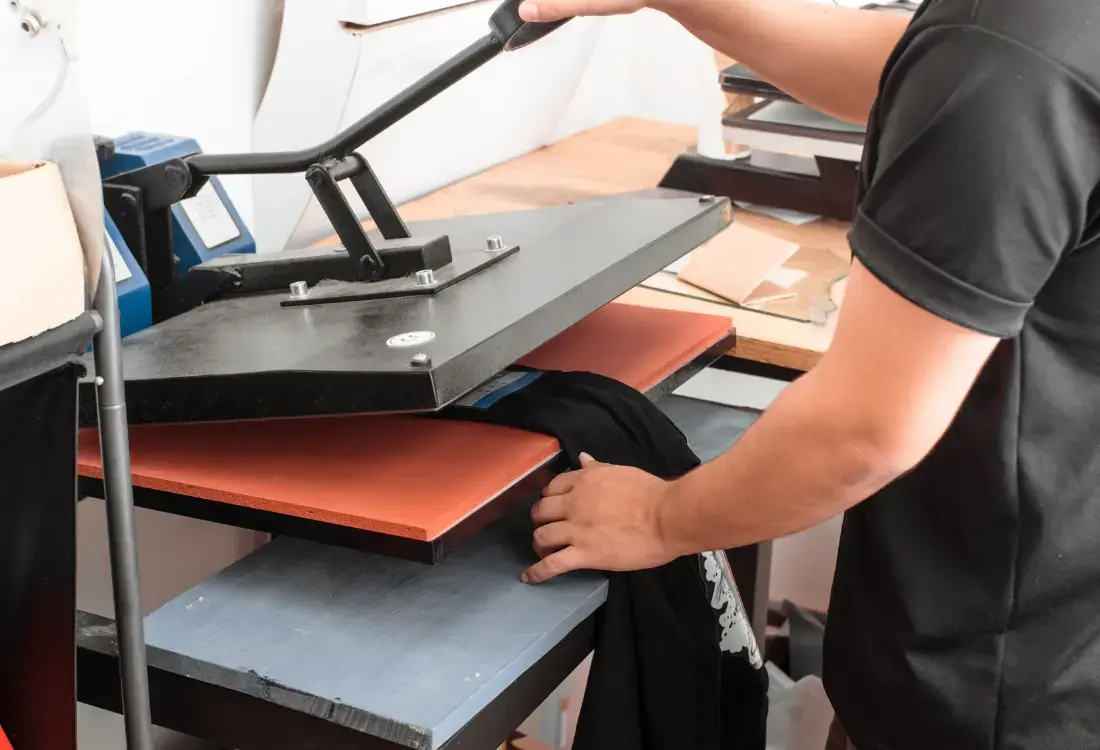
Most professional printing processes require the print to be cured or heat-set correctly. Depending on the technique, this may involve a conveyor dryer or heat press machine. Correct curing allows the ink or transfer to bond properly with the garment. If this stage is rushed or performed incorrectly, even an otherwise perfect print can suffer from cracking, peeling or reduced wash durability.
Step 7: Quality Check the Finished T-Shirts
Before finished custom t shirts are packed and dispatched, they should be inspected. This stage is particularly important for bulk orders, where even small inconsistencies can become noticeable across many shirts.
A professional quality check can include:
- print placement
- colour consistency
- registration between colours
- ink coverage
- garment condition
- obvious print defects
- consistency across the full order
The goal isn’t simply to get ink onto fabric. It’s to make sure every finished garment accurately reflects the approved artwork and meets the expected standard.
T Shirt Printing Tips: What Makes a High Quality T-Shirt Print?
High quality prints are rarely the result of one single factor. The best results come from getting several things right at the same time:
The right garment
Fabric type, weight and colour should work with the chosen printing technique.
Print-ready artwork
A high-resolution or correctly prepared vector file gives the printer the best possible starting point.
The right printing method
Detailed artwork, solid colours, small quantities and bulk orders all have different production requirements.
Accurate setup
Positioning, registration, pretreatment and equipment settings need to be correct before production begins.
Proper curing
The ink or transfer needs to bond correctly with the fabric to maintain its appearance through multiple washes.
Quality control
The finished order should be checked before leaving production. This is why simply comparing print prices doesn’t always tell you which supplier will produce the best result.
Common T-Shirt Printing Mistakes to Avoid
Even strong designs can suffer if the production process isn’t planned carefully.
Using Low-Resolution Artwork
An image that looks sharp on a phone or laptop may not contain enough information to produce a large, detailed print. Check out our blog “File facts: a beginners guide to file formats for custom t-shirt designs” for more information on producing high quality artwork through choosing the right file format and size.
Finalising the Artwork Before Choosing the Garment
A design created for a white cotton shirt may need significant changes when printed on dark fabrics or synthetic materials.
Choosing a Method Based Only on Price
The cheapest process isn’t necessarily the right one for your design or intended use.
Ignoring Print Placement
A technically perfect print can still look wrong if its size or positioning hasn’t been considered carefully.
Rushing Artwork Approval
Approving the proof is the final opportunity to identify errors before the order enters production.
From Artwork to Finished Custom T-Shirts
Professional t-shirt printing is ultimately a chain of small decisions. The garment, artwork, printing method, proof, production setup and curing process all influence the final result.
Getting those decisions right before production begins is what helps create consistent, durable custom t shirts that look as good in physical form as they did on screen.
At ICON Printing, every order includes artwork review and a visual proof before production, so issues can be identified before a single garment goes to print. While based in London, we work with businesses, creators and organisations across the UK and Europe. (Psst… Manchester! Check out our dedicated t shirt printing Manchester -page for more information.)
Whether you’re preparing team shirts, merchandise, branded clothing or a larger collection, our team can help you choose the right route from artwork to finished garment. Explore our professional t-shirt printing services to start your next project and browse our wide-ranging catalogue. When in doubt, contact us at sales@iconprinting.com for assistance or a chat about your upcoming project. We’d love to hear from you!

Frequently Asked Questions About T-Shirt Printing
How are most t-shirts printed?
Professional t-shirts are commonly produced using screen printing, DTG or DTF. Screen printing is widely used for larger runs, while DTG and DTF offer greater flexibility for detailed designs and smaller quantities.
What do I need to print my own t-shirts professionally?
For a professional print order, you generally need your artwork, preferred garment or garment requirements, approximate quantities and deadline. Your printer can then recommend the most appropriate method.
How do I print an image onto a t-shirt?
Photographic and detailed images are often well suited to direct to garment (DTG) or direct to film (DTF) printing. The artwork should be supplied at a high resolution and prepared according to the printer’s file requirements.
What is the best method for t-shirt printing?
There is no single best method. Screen printing is often the most cost-effective choice for larger quantities, DTG is excellent for detailed designs and smaller runs, and DTF offers flexibility across different fabrics.
Which t-shirt printing method lasts the longest and creates high quality prints?
A properly produced and cured screen print is known for excellent durability. However, the lifespan of any print also depends on the garment, ink, production quality and how the shirt is washed and cared for.
Which is better, DTG or DTF printing?
DTG is particularly effective for detailed designs on cotton garments and produces a soft print feel. DTF works across a wider range of fabrics and is useful for detailed designs, logos and more flexible garment combinations. The better choice depends on the specific project. For more information, check out our page “DTG Printing” for a detailed comparison between the two.
What are common t-shirt design mistakes?
Common mistakes include using low-resolution artwork, choosing colours without considering the garment, making designs too large or small for the intended print area, and finalising artwork before deciding on the printing method.