


DTG Printing London (Direct to Garment)
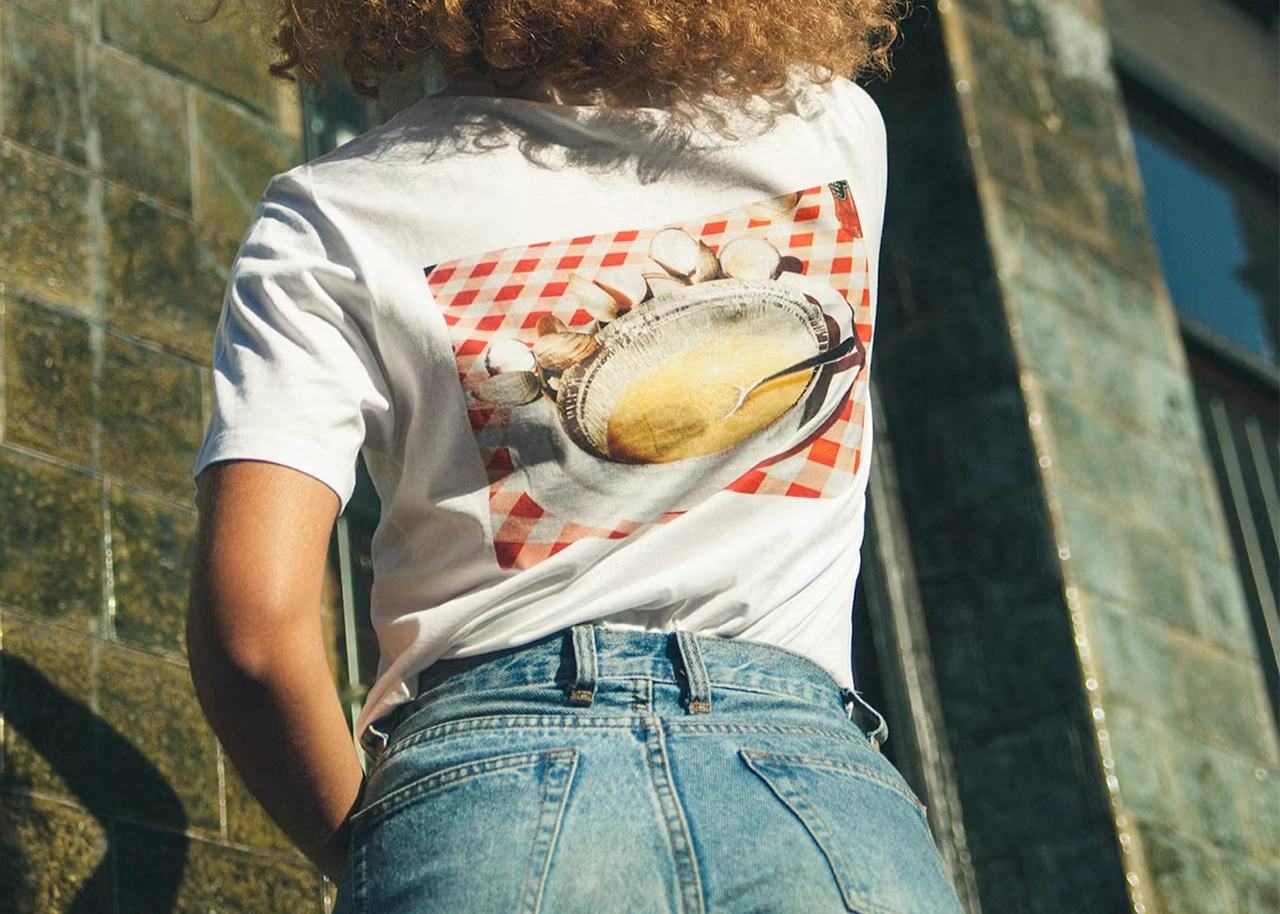
Direct to Garment (DTG) printing is a relatively new technology which is excellent for accurately reproducing photos, illustrations and intricate full colour designs.
Quick quote requestDTG Printing London (Direct to Garment)
Direct to Garment (DTG) printing is a relatively new technology which is excellent for accurately reproducing photos, illustrations and intricate full colour designs.
Quick quote request
DTG printing (Direct to garment printing) is a relatively new technology, which is excellent for accurately reproducing photos, illustrations and intricate full colour designs.
DTG printing produces best print results on t-shirts and garments with 100% cotton content. Using DTG printing for items with a high polyester content is not currently possible.
The results for DTG Printing differ depending on what colour fabric is being printed onto:
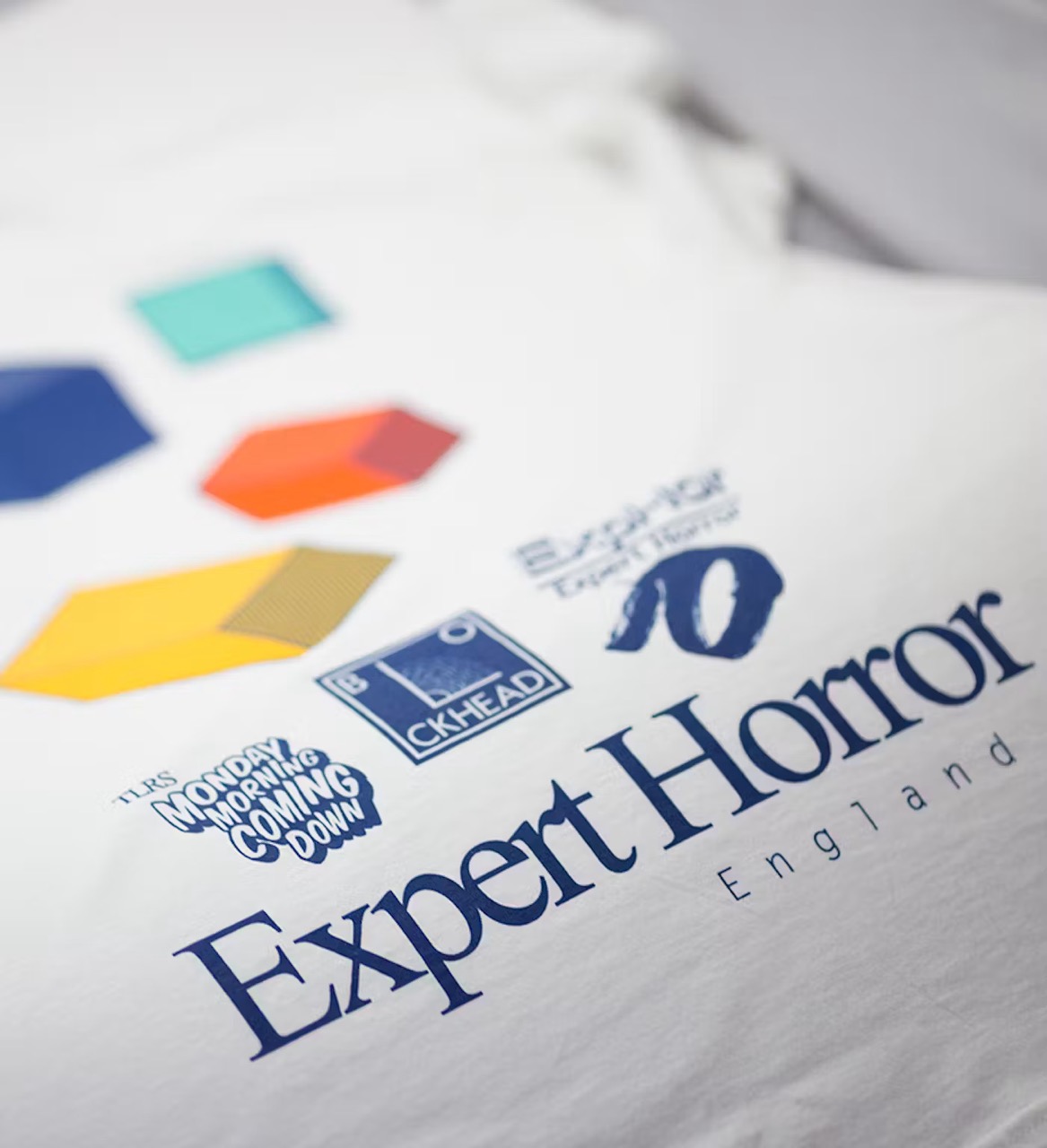
Lights
Fantastic, full colour images with no set up costs. Excellent for short runs of less than 100 items.
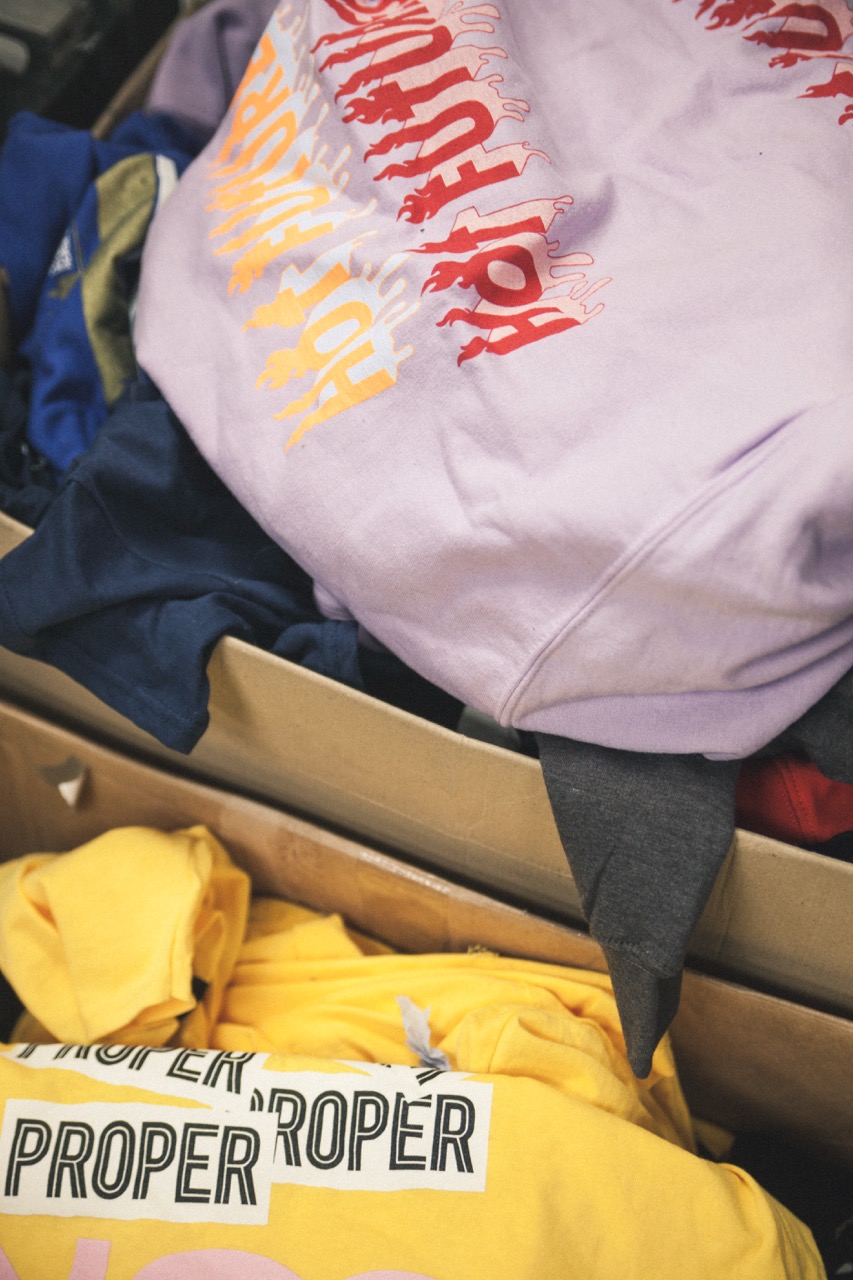
Colours
A white undercoat is used when printing onto coloured garments to ensure the colours are bright and vibrant; this can mean that the print feels slightly thicker when compared to graphics printed onto lighter coloured tees.
Design considerations for DTG
The advantage of DTG printing when compared to screen printing is the faster turnaround time and low set up costs, which makes it a more cost effective solution when printing low volume runs (up to 100). Especially when a design that features a number of different colours is required.
The main disadvantages of DTG printing are that it’s not possible to match Pantone PMS colours and the prints are not quite as vibrant when compared to those seen with screen printing where the ink adheres to the fabric.
Images must be sent as .jpg, .psd or .pdf in high resolution. This means 300dpi or higher.
If you have artwork you would like to get printed, here is a guide on how to save art as a transparent PNG.
- Colours: CMYK
- Pantone colour matching: not available
- Artwork type: vector or raster graphics
- File formats: .png, jpg, .ai, .eps, .pdf, .psd
- Ensure the print is 100% of the intended print size.
- Design and save the graphic file at 300dpi.
- Make sure to save any PNG files with a transparent background.
Looking for DTG printing London services?
Icon Printing provides DTG printing services in the London area and all over UK. Our professional staff will help you find the right kind of clothing for your needs. Find out more about DTG printing in our blog.
Advantages of DTG Printing
Exceptional detail reproduction
DTG can accurately reproduce photographs, illustrations, gradients and highly detailed artwork that would be difficult or expensive to achieve with traditional printing methods.
Unlimited colours at no extra cost
Unlike screen printing, DTG does not require separate screens for each colour, making complex multi-colour designs far more cost-effective.
No setup fees
Because there are no screens to prepare, DTG is ideal for smaller orders and one-off projects.
Soft feel on light garments
When printed onto light-coloured cotton garments, DTG inks absorb into the fabric and create a soft, comfortable finish.
Fast turnaround for smaller runs
The digital workflow allows artwork to move quickly into production, making DTG a popular option for short-run orders and rapid merchandise launches.
Perfect for testing new designs
DTG allows brands to trial new graphics and merchandise concepts without committing to large production volumes.
Things to Consider with DTG Printing
Best results are achieved on 100% cotton garments
DTG printing performs best on cotton fabrics. Garments with high polyester content are currently not suitable for this printing method.
Not ideal for large-volume orders
While DTG is excellent for smaller quantities, screen printing often becomes more economical as order volumes increase.
Pantone colour matching is not available
Because DTG uses CMYK digital printing technology, exact Pantone PMS colour matching cannot be guaranteed.
Colours may appear less vibrant than screen printing
For bold brand colours and solid graphics, screen printing often delivers stronger colour opacity and vibrancy.
Dark garments require a white underbase
To achieve bright colours on darker garments, DTG uses a white underlayer, which can make the print feel slightly heavier than prints on light-coloured garments.
DTG Printing vs DTF Printing
Both DTG and DTF are excellent options for producing full-colour artwork, photographs and detailed designs. The main difference lies in the types of garments they work best on. DTG printing delivers its best results on 100% cotton garments, while DTF offers greater flexibility across polyester, blended fabrics, workwear and sportswear.
| Feature | DTG Printing | DTF Printing |
| Best For | Cotton garments | Mixed fabric types |
| Fabric Compatibility | Best on 100% cotton | Cotton, polyester & blends |
| Photographs & Gradients | Excellent | Excellent |
| Colour Complexity | Unlimited colours | Unlimited colours |
| Sportswear & Performance Wear | Limited | Excellent |
| Small Orders | Excellent | Very good |
| Versatility | Good | Excellent |
Is DTG Printing Right for Your Project?
If your design contains photographs, gradients, fine details or a wide range of colours, DTG is often the most effective solution. It’s particularly popular with artists, creative brands, startups and businesses producing smaller runs of high-quality custom apparel.
DTG printing faq
What does DTG mean in printing?
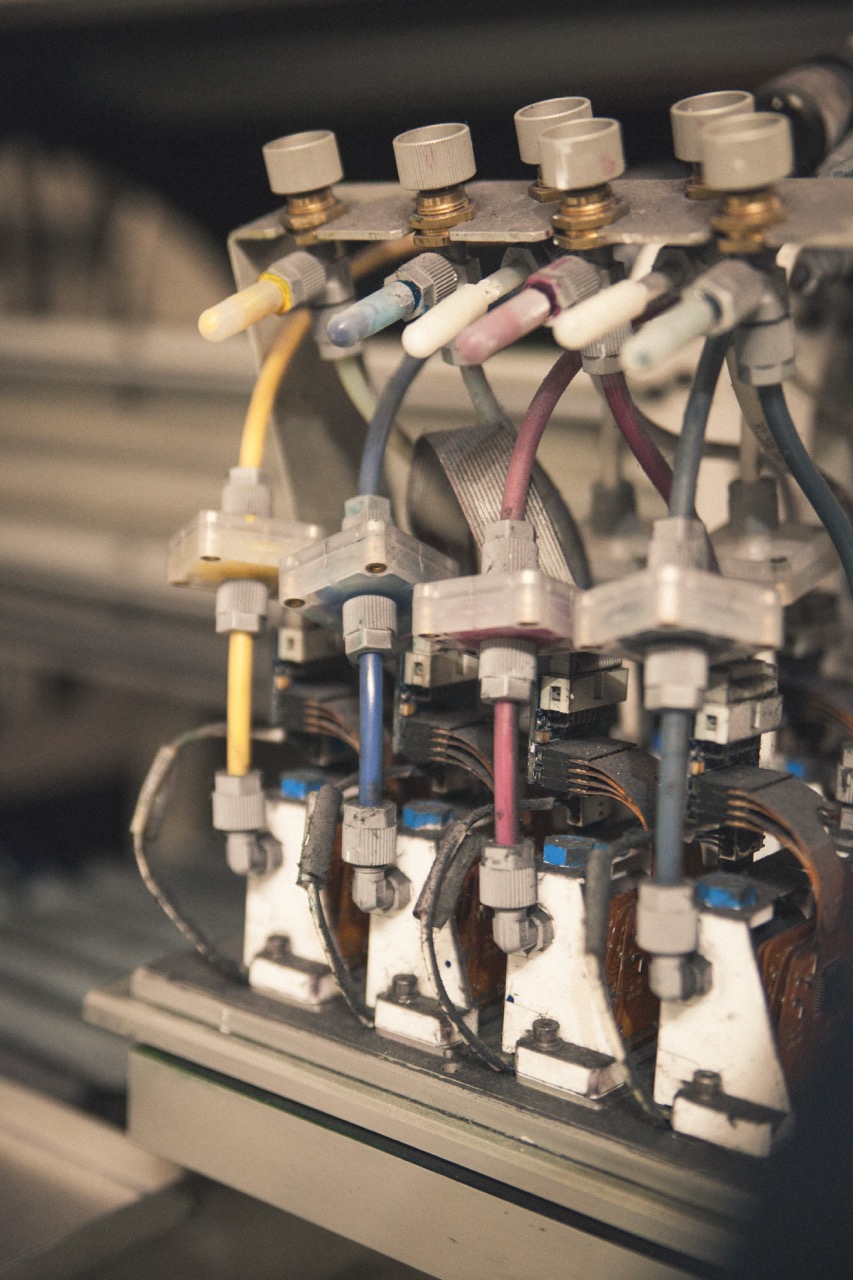
DTG stands for Direct to Garment printing. It is a digital printing process, where inks are printed directly onto the fabric using specialist inkjet technology.
DTG printing is ideal for full-colour, high-detail designs and smaller production runs (up to 100).
Is DTG printing good quality?
Yes. DTG printing delivers sharp detail, smooth gradients, and a soft-hand feel on 100% cotton garments.
It is widely used for artist merchandise, fashion brands, and custom t-shirt printing in the UK.
How long does DTG printing last?
When printed and cured correctly, DTG custom garments can withstand frequent use. Washing inside-out at low temperatures helps preserve vibrancy and detail.
Which is better: DTG or screen printing?
Both are great choices, but which is better for your needs depends. DTG is best for smaller quantities and complex artwork with many colours, whereas screen printing is better suited to bulk runs and bold graphics.
For businesses ordering limited team apparel or testing a merchandise concept, DTG printing offers flexibility without high setup costs. However, we will always recommend which printing technique to use after we know what kind of artwork you are looking to get and the quantity you want.
Why is DTG printing more expensive per shirt?
Short answer: It is not.
DTG printing does not require screen setup, but it uses specialised inks and slower production processes. This makes it slightly higher per unit for large runs but also highly cost-effective for short runs and detailed artwork with many colors.
Is DTG suitable for creative company merchandise or internal brand projects?
DTG is particularly suited to expressive, artwork-led designs. For companies developing limited-run merchandise, internal culture apparel, or artist collaborations, it allows colour complexity and nuance without compromising on details or colours.
It’s a modern and agile approach to branded apparel production.
Our team in London is happy to answer any further questions you may have regarding DTG printing at sales@iconprinting.com.