


Sustainable Clothing
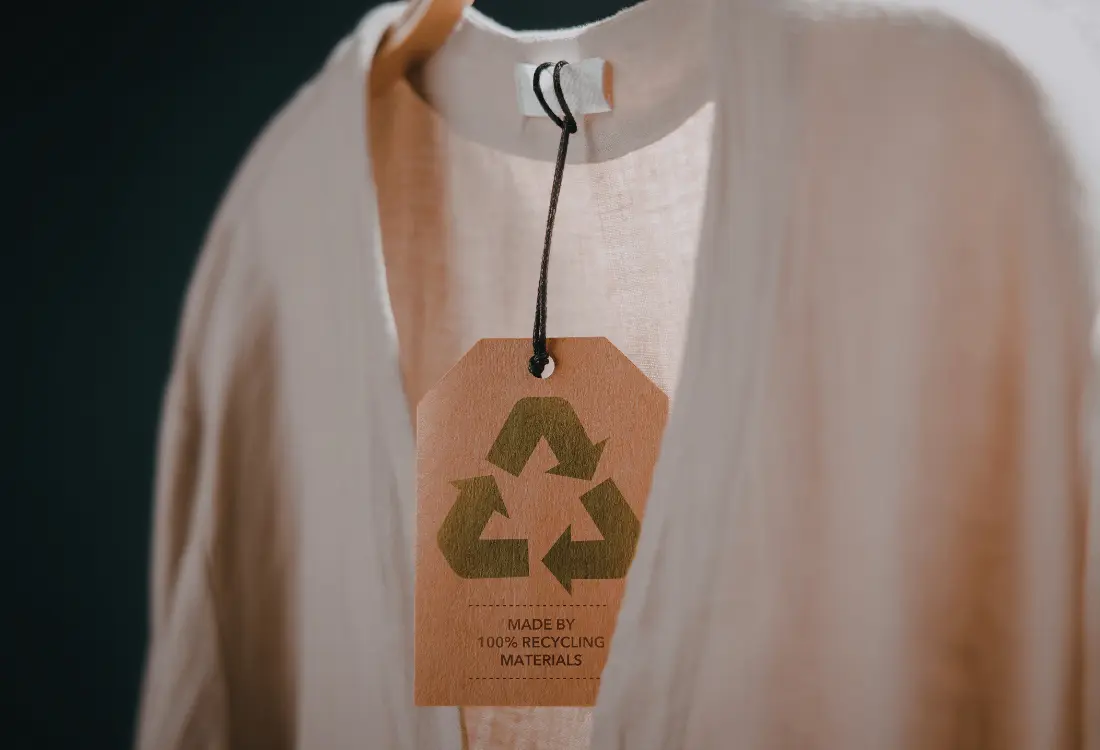
Sustainable clothing refers to garments that are designed, produced, and distributed in ways that reduce environmental impact and support ethical practices. This includes using environmentally friendly materials, responsible production methods, and longer-lasting designs to minimize waste and overconsumption.
What Is Sustainable Clothing?
Sustainable clothing focuses on creating garments that are better for both the environment and the people involved in production. This can include using organic cotton clothes, recycled materials, and sustainable fabrics, as well as improving working conditions across the supply chain.
Many brands today aim to improve sustainability in clothes by choosing materials that require less water, energy, and chemicals. Examples include:
- organic cotton garments, which are grown without harmful pesticides
- clothing made from recycled materials, such as recycled polyester
- upcycled clothing, where existing garments are redesigned or reused
Sustainable clothing is closely connected to the idea of sustainable consumption and production, which encourages consumers to buy fewer, higher-quality items that last longer.
Why Is Fast Fashion Bad?
One of the main reasons sustainable clothing has become more important is the impact of fast fashion. Fast fashion refers to the rapid production of low-cost clothing designed to follow short-term trends.
This model often leads to overproduction and textile waste, as well as the heavy use of non-sustainable materials. It also increases the environmental impact from manufacturing and transport, and can contribute to poor working conditions in some parts of the supply chain.
Because of this, many consumers and brands are moving toward more sustainable clothing fabrics and environmentally friendly materials. Choosing sustainable alternatives can help reduce waste and support more responsible production practices.
Sustainable Materials and Modern Clothing
A key part of sustainable clothing is the use of sustainability in materials. Many brands now focus on selecting fabrics that have a lower environmental impact while still maintaining quality and durability.
Common examples include:
- organic cotton clothes, which use less harmful chemicals
- recycled fabrics, created from plastic waste or old garments
- sustainable activewear and sustainable swimwear, designed with performance and environmental impact in mind
For clothing brands, sustainability also means considering how products are made, printed, and distributed. Companies looking to become more sustainable often focus on responsible sourcing, reducing waste, and producing smaller or more thoughtful collections.
Custom apparel can also play a role in sustainability. By creating high-quality printed garments designed to last, brands can reduce overproduction and encourage more conscious consumption. With custom apparel and printing from ICON, businesses can produce clothing that supports long-term use, thoughtful design, and more sustainable production practices.
Frequently Asked Questions
What is sustainable clothing?
Sustainable clothing refers to garments made using environmentally friendly materials and ethical production methods, designed to reduce environmental impact and last longer.
What materials are used in sustainable clothing?
Common materials include organic cotton, recycled fabrics, and other environmentally friendly materials that reduce water use, waste, and chemical impact.
Why is fast fashion bad?
Fast fashion contributes to waste, pollution, and overproduction, making it one of the main reasons why sustainable clothing has become more important.
How can a clothing brand be sustainable?
A clothing brand can be more sustainable by using eco-friendly materials, reducing waste, producing smaller collections, and focusing on high-quality, long-lasting garments.